The Chemical Industry in a Net-Zero Economy | ChemicalsBlog
Article
schedule8 Min Read
The Chemical Industry in a Net-Zero Economy: Challenges, Technologies and Market Outlook
terminal
prodchem
Jun 10, 2026
The chemical industry in a net-zero economy represents one of the most complex industrial transitions currently underway. Unlike many heavy industries, chemical producers rely on carbon not only as an energy source but also as a fundamental building block for thousands of products.
This distinction makes decarbonization significantly more difficult than in sectors where emissions come primarily from fuel combustion. For chemical traders, procurement teams and industrial buyers, understanding the technologies and investment strategies driving this transformation will become increasingly important over the next two decades.
Why the Chemical Industry Faces Unique Net-Zero Challenges
Many industrial sectors can reduce emissions by switching to cleaner energy sources. The chemical industry faces a more complicated challenge because carbon often becomes part of the final product itself.
Petrochemicals, plastics, solvents and countless intermediate chemicals depend on carbon-based feedstocks. Even if manufacturers eliminate fossil fuel combustion, they still need carbon-containing raw materials for production.
Steam crackers, ammonia plants, methanol facilities and other large chemical assets were designed around fossil feedstocks. Replacing these systems requires significant capital investment and technological innovation.
The industry also operates some of the world's largest and most integrated production networks. A single change in feedstock strategy can affect multiple downstream value chains.
As a result, chemical companies must balance emissions reduction goals with profitability, supply security and customer demand. This challenge explains why the sector remains one of the hardest industries to decarbonize.
At the same time, governments, investors and customers are increasing pressure on producers to reduce emissions and demonstrate measurable progress toward net-zero targets.
Global Market Size and Demand in 2026
The transition toward low-carbon chemicals is creating an entirely new market segment within the global chemical industry.
Demand for sustainable chemicals continues to grow as manufacturers seek lower-carbon materials for packaging, automotive components, consumer products and industrial applications.
Many multinational companies have announced net-zero commitments spanning 2040 to 2050. These pledges are driving investment in alternative feedstocks, renewable energy integration and emissions reduction technologies.
Leading producers including BASF, Dow, LyondellBasell, Covestro and INEOS have all established long-term climate objectives. Their strategies increasingly influence purchasing decisions across global supply chains.
Customers are also becoming more selective. Procurement teams now evaluate emissions intensity alongside traditional factors such as cost, quality and delivery reliability.
As carbon regulations expand across major markets, demand for low-carbon chemical products is expected to accelerate further. This trend is creating new commercial opportunities for suppliers that can offer verified emissions reductions.
Key Decarbonization Technologies Shaping the Industry
The path to net-zero depends on several technological solutions rather than a single breakthrough.
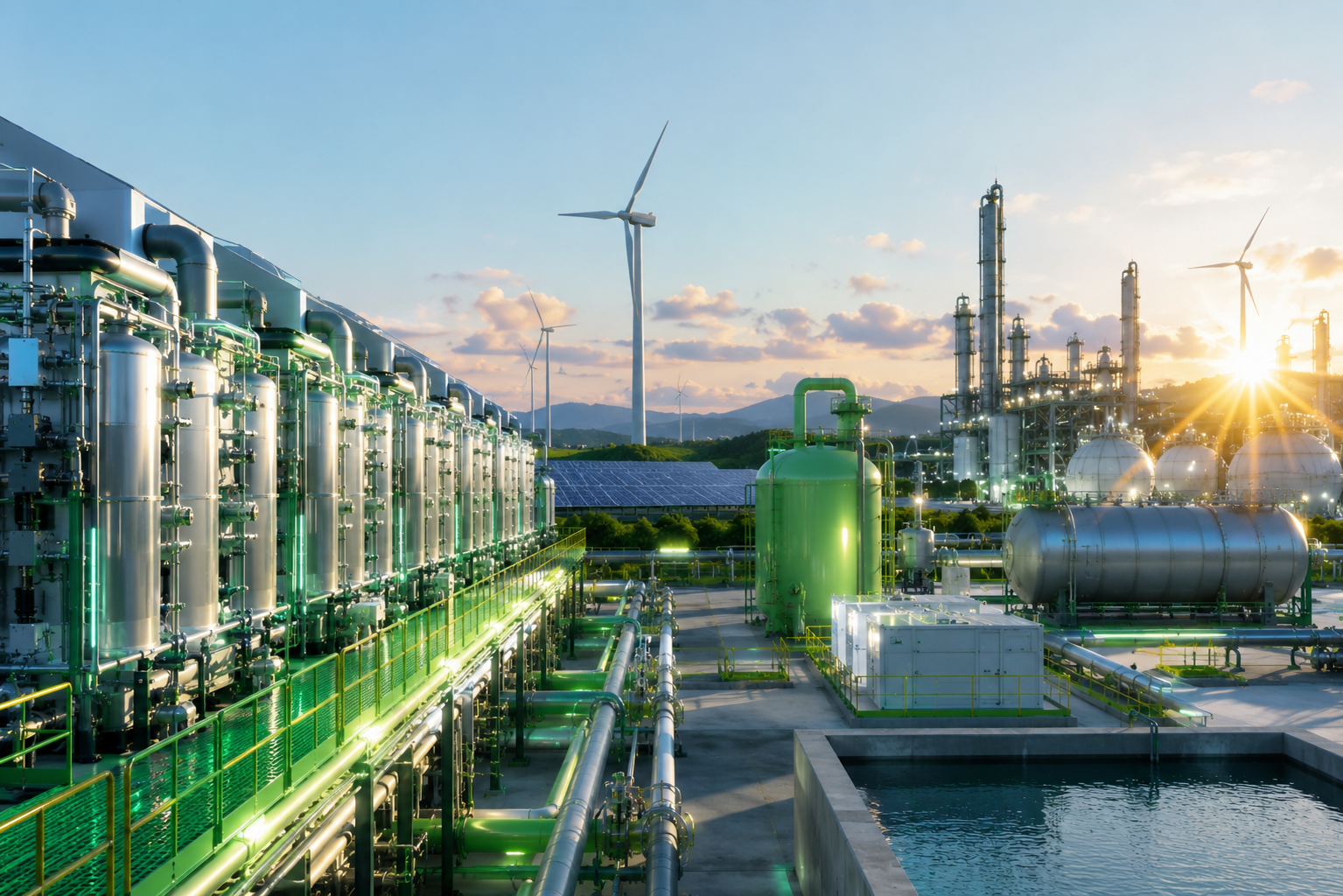
Green hydrogen is emerging as one of the most important decarbonization tools. Producers can use hydrogen generated from renewable electricity to manufacture ammonia and methanol with significantly lower emissions.
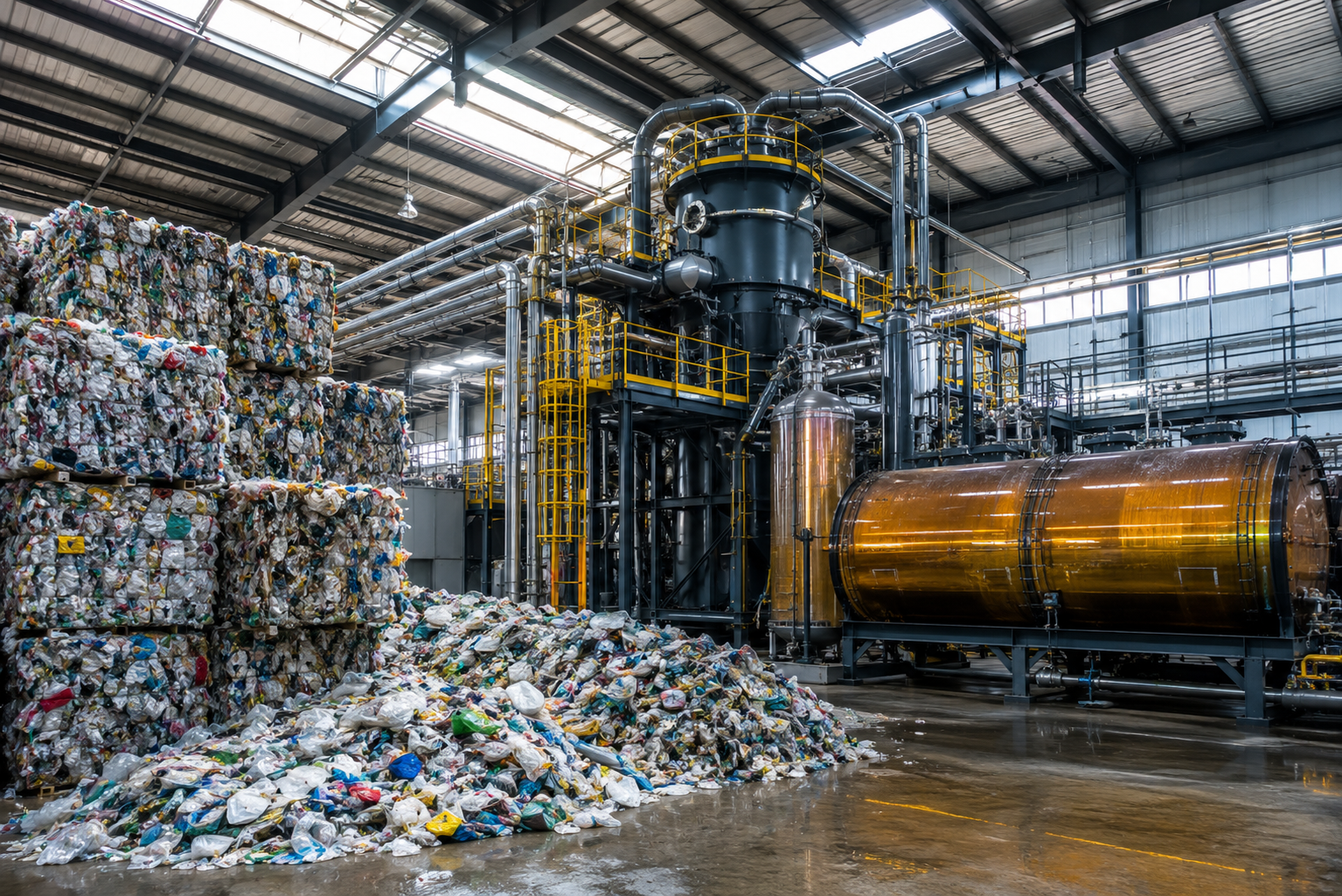
Chemical recycling is another major focus area. Instead of relying entirely on virgin fossil feedstocks, manufacturers can convert waste plastics into pyrolysis oil and use it as a feedstock in steam crackers.
Bio-based chemistry is also gaining momentum. Companies are increasingly exploring renewable production routes for monoethylene glycol, succinic acid, lactic acid and fumaric acid.
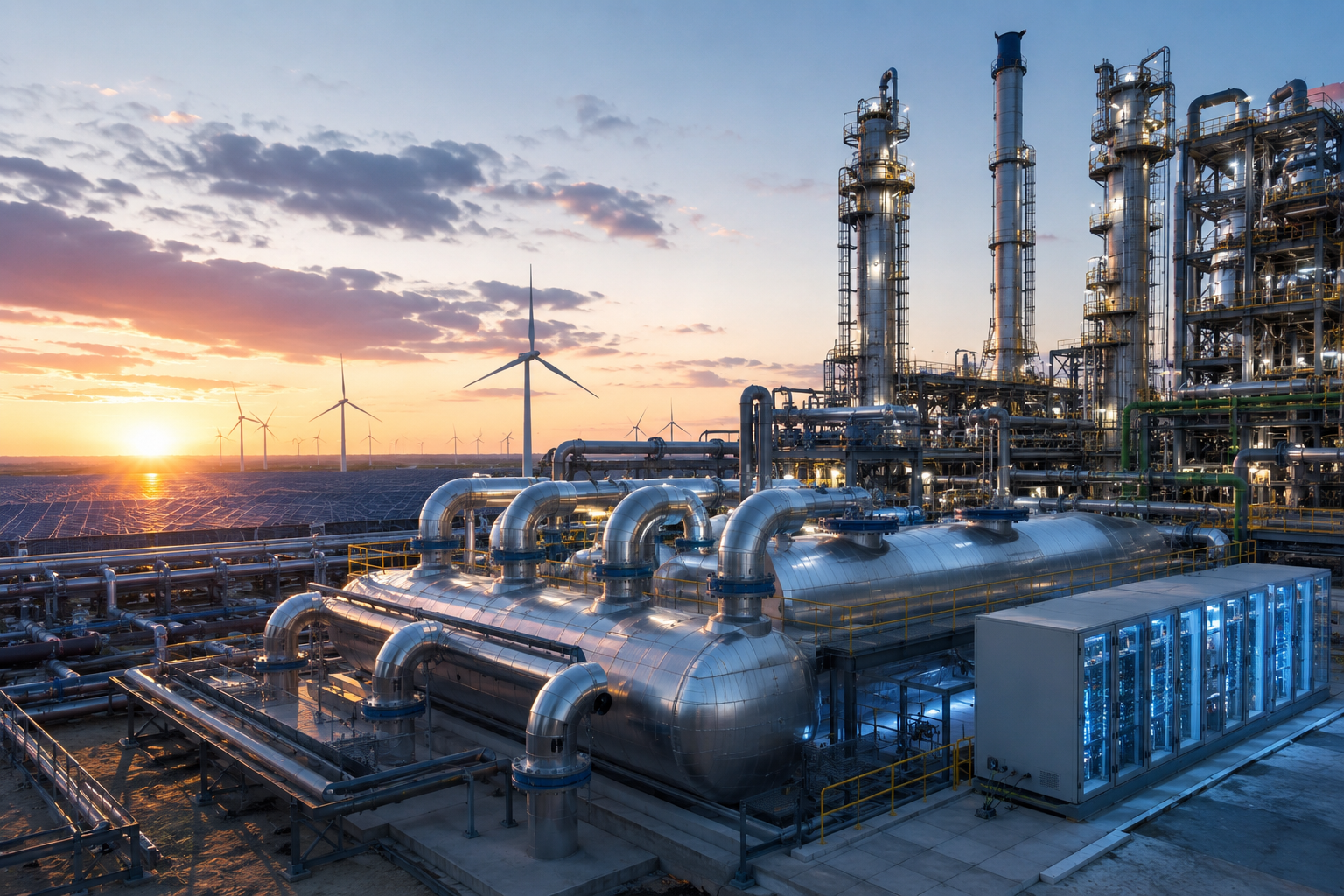
Electrification represents another promising pathway. Steam cracking accounts for a substantial share of industry emissions, and electric cracker technologies could significantly reduce carbon output when powered by renewable electricity.
Many producers are pursuing multiple strategies simultaneously because no single technology can fully solve the industry's emissions challenge.
The transition will likely require a combination of renewable feedstocks, electrification, circular economy solutions and carbon management technologies.
Carbon Capture and Its Limitations
Carbon capture remains one of the most discussed decarbonization technologies in the chemical sector.
Many companies view carbon capture as a practical option because it allows facilities to continue operating while reducing emissions. Ethylene plants, methanol facilities and other large production assets are already evaluating carbon capture projects.
However, recent industry analysis has raised important questions about whether carbon capture alone can achieve net-zero objectives.
Capturing emissions from chemical production can reduce environmental impact, but it does not eliminate dependence on fossil feedstocks. Facilities still require carbon-containing raw materials to manufacture many products.
The technology also involves substantial capital costs, energy requirements and infrastructure investments. Transporting and storing captured carbon adds additional complexity.
As a result, many experts increasingly view carbon capture as one component of a broader decarbonization strategy rather than a complete solution.
Future success will likely depend on integrating carbon capture with renewable feedstocks, recycling technologies and cleaner energy systems.
Top Regions and Companies Driving the Transition
Europe continues to lead many low-carbon chemical initiatives due to ambitious climate policies and strong sustainability requirements.
Germany, the Netherlands and several Nordic countries are investing heavily in hydrogen infrastructure, electrification projects and circular economy technologies.
North America is also expanding investment in sustainable chemical production. Companies are exploring renewable feedstocks, advanced recycling systems and carbon capture deployment.
Asia remains a critical region because of its large chemical manufacturing base. Producers across China, Japan and South Korea are evaluating strategies to maintain competitiveness in an increasingly carbon-conscious market.
Major industry players are helping drive innovation throughout the sector. BASF, Dow, LyondellBasell, Covestro and INEOS have all announced net-zero commitments and launched projects focused on emissions reduction.
Despite these commitments, a substantial gap remains between long-term climate targets and actual investment levels. Many announced projects remain in early development stages.
Closing this investment gap will require stronger policy support, improved economics and greater collaboration across supply chains.
Applications and Who Buys Low-Carbon Chemicals
Demand for sustainable chemicals extends across numerous industries.
Packaging manufacturers are increasingly purchasing low-carbon polymers and recycled-content materials to meet sustainability commitments.
Automotive companies seek lower-emission materials to reduce the environmental footprint of vehicles and comply with regulatory requirements.
Consumer goods companies are incorporating bio-based and recycled chemicals into product formulations to align with customer expectations.
Construction firms are evaluating sustainable materials that contribute to environmental performance targets.
Industrial manufacturers also recognize the value of lower-carbon supply chains. Many now require suppliers to provide emissions data and sustainability documentation.
As reporting requirements become more common, verified low-carbon chemicals may command premium pricing across multiple end markets.
Risks, Challenges and Regulatory Issues
Several obstacles could slow the industry's transition toward net-zero emissions.
High capital requirements remain one of the largest barriers. Building new production infrastructure often requires billions of dollars in investment.
Technology uncertainty presents another challenge. Some solutions remain commercially unproven at large industrial scale.
Feedstock availability could also become a concern. Competition for renewable raw materials may increase as more industries pursue decarbonization strategies.
Energy costs represent another important factor. Green hydrogen and electrified processes often depend on affordable renewable electricity.
Regulatory uncertainty creates additional complexity. Policies vary across regions, making long-term investment decisions more difficult.
The industry must also balance sustainability goals with affordability. Buyers remain sensitive to cost increases even when they support emissions reduction objectives.
Outlook for 2027 and Beyond
The next decade will determine whether the chemical industry can transform ambitious climate commitments into measurable emissions reductions.
Green hydrogen is expected to play a larger role in ammonia and methanol production as renewable energy costs continue to decline. Chemical recycling will likely expand as companies seek alternatives to fossil feedstocks.
Bio-based chemicals should gain market share in specialty and performance applications. Advances in biotechnology may improve the economics of renewable production routes.
Electrification technologies could reshape steam cracking and other energy-intensive operations if renewable electricity becomes widely available.
Carbon capture will remain part of the industry's toolkit, but most observers expect integrated solutions to deliver the greatest impact.
The future chemical industry will likely combine renewable feedstocks, recycled materials, clean energy and advanced carbon management systems rather than relying on any single technology.
What Buyers Should Do Now
Procurement teams should begin evaluating suppliers based on long-term decarbonization strategies rather than current emissions performance alone. Companies investing today in cleaner technologies may become preferred suppliers in future low-carbon markets.
Buyers should monitor developments in green hydrogen, chemical recycling, bio-based feedstocks and electrification projects. These technologies are likely to influence future availability, pricing and competitiveness across major chemical value chains.
The transition to a net-zero economy will create both risks and opportunities. Organizations that understand the evolving technology landscape and build relationships with forward-looking suppliers will be better positioned to navigate future market changes.
MethanolammoniaGreen HydrogenSustainable Energychemical recyclingcarbon taxnet zero chemicals
Found this useful?
Share With Friends
Global Freight Volatility: Impact on Asian Polymer Markets