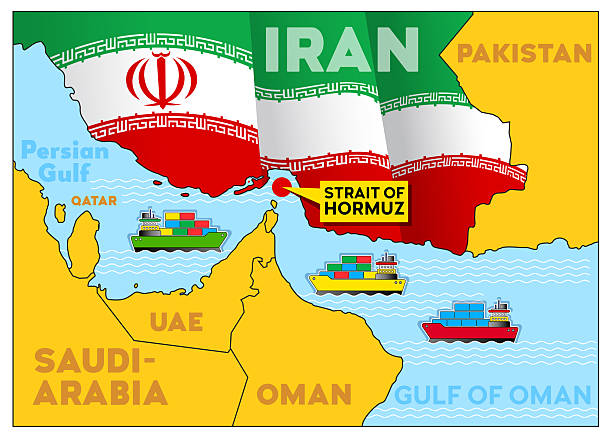
The temporary closure of the Strait of Hormuz in early 2024 disrupted the global chemical supply chain, forcing companies to seek alternative routes and negotiate higher freight rates. C&EN’s latest analysis indicates that, while volatility will persist through the second half of 2026, the sector is moving toward a new normal.
When the Hormuz passage was shut, shipping companies rerouted cargoes via the Cape of Good Hope, adding roughly 3 to 4 days to transit times and increasing fuel consumption by 10‑15%. The surge in shipping demand also triggered a spike in war risk premiums, with freight fot 10‑day voyages climbing by 20% in the first quarter of 2024.
Key Supply Chains Affected
Petrochemicals – feedstock for plastics, fertilizers, and synthetic fibers.
Pharmaceutical intermediates – critical for drug manufacturing.
Specialty chemicals – used in coatings, electronics, and advanced materials.
C&EN’s Lens on Recovery
C&EN’s research team examined tanker spot rates, spot freight indices, and shipping company statements to project the trajectory of the freight market. The consensus is that the market will stabilize once new maritime routes and risk assessment tools are fully integrated.
Recovery Phases
Phase 1 – Immediate Surge (Q1‑Q2 2024): High war risk premiums, increased transit times, and limited tanker availability.
Phase 2 – Adjustment (Q3 2024‑Q1 2025): Gradual normalization of rates as carriers secure new routes and risk premiums ease.
Phase 3 – New Normal (Q2 2025‑Q4 2026): Stabilized freight costs, predictable transit times, and integrated risk premiums into long‑term contracts.
Logistics Forecasting for Procurement Teams
Planning for the remainder of 2026 requires a nuanced approach to logistics and sourcing. Procurement leaders should consider the following:
Scenario Planning: Prepare for both baseline and elevated freight scenarios.
Multi‑port Sourcing: Diversify suppliers to include those with access to ports outside the Gulf of Oman.
Use dynamic pricing models to lock in freight rates when market conditions are favorable.
Maintain a buffer stock of critical feedstocks to mitigate short‑term supply disruptions.
Freight Market Outlook
According to C&EN’s data, global tanker spot rates are expected to decline by 12% by Qump 2026, assuming no new geopolitical shocks. The primary factors driving this trend include:
Increased vessel availability in the Atlantic and Indian Oceans.
Improved risk assessment tools that lower war risk premiums.
Higher fuel efficiency standards adopted by shipping companies.
Cape of Good Hope Routing
While the Cape route remains longer, its strategic value lies in reduced exposure to regional conflicts. C&EN recommends that companies weigh the cost of additional fuel against the potential for sudden route rights cancellations.
War Risk Premiums and Their Impact
War risk premiums have historically been a volatile component of freight costs. The latest боя indicates a gradual normalization, with premiums projected to drop to 8–10% of total freight by early 2026. Procurement teams should factor these premiums into long‑term contracts and consider risk‑sharing clauses with carriers.
Practical Procurement Strategies
Long‑Term Contracts: Secure rates with a 3‑year horizon to hedge against short‑term volatility.
Supplier Diversification: Engage with suppliers in regions such as Singapore, Rotterdam, and Dubai to spread risk.
Real‑Time Monitoring: Useuman analytics platforms to track freight rate movements and adjust procurement windows.
Collaborative Planning: Work closely with logistics partners to align inventory cycles with expected freight cycles.
The Hormuz recovery is a multi‑phase process that will gradually bring the chemical supply chain back to a new normal. By integrating robust logistics forecasting, understanding freight market dynamics, and adopting flexible sourcing strategies, procurement teams can navigate the remainder of 2026 with confidence. C&EN’s analysis serves as a roadmap, highlighting the key levers that can be pulled to mitigate risk and capitalize on emerging opportunities.