SECTION 3 — SEO FIELDS
Industrial accidents rarely reshape food safety legislation, but the Seveso disaster of 10 July 1976 remains one of the most important exceptions. The chemical release near Seveso, Italy, is widely recognised for transforming industrial process safety across Europe. Less well known is its lasting influence on food safety regulations governing contaminants in meat, dairy products, eggs and other animal-derived ingredients.
For food ingredient procurement professionals, understanding this history provides valuable context for today's supplier qualification requirements. Modern testing for dioxins and dioxin-like compounds is not simply a regulatory formality—it is rooted in a real contamination event that demonstrated how industrial chemicals can enter the food chain.
The Food Chain Impact of Seveso
Following the accidental release of 2,3,7,8-tetrachlorodibenzo-p-dioxin (TCDD), contamination extended beyond the immediate industrial site.
One of the most significant concerns was the movement of dioxins through the food chain.
The contamination pathway included:
Deposition of dioxins onto agricultural land.
Grazing livestock consuming contaminated vegetation.
Accumulation of dioxins within animal fatty tissues.
Potential transfer into meat, milk and other animal-derived food products.
This sequence demonstrated that environmental contamination could become a food safety issue long after the original industrial incident.
How Seveso Influenced Food Safety Regulation
The lessons learned from Seveso contributed to the development of stricter European controls on contaminants in food and feed.
Today, European legislation establishes maximum permitted levels for dioxins and dioxin-like polychlorinated biphenyls (PCBs) across a range of food categories, including:
These regulatory limits help reduce consumer exposure while supporting consistent food safety standards across international supply chains.
Why Animal-Derived Ingredients Receive Particular Attention
Unlike many chemical contaminants that remain confined to industrial environments, dioxins are highly persistent and tend to accumulate in fatty tissues.
For procurement professionals sourcing ingredients such as:
Verification of contaminant testing remains an important component of supplier qualification and quality assurance.
Routine analytical testing provides confidence that ingredients comply with applicable food safety requirements before entering commercial production.
Modern Procurement Relies on Preventive Verification
Today's supplier qualification programmes extend well beyond certificates of analysis alone.
Quality-focused procurement teams increasingly review:
Dioxin and dioxin-like PCB analytical reports.
Accredited laboratory testing.
Supplier traceability systems.
Raw material origin documentation.
Food safety certification programmes.
These preventive measures reflect decades of regulatory development aimed at reducing contamination risks throughout the food supply chain
The Evolution of Dioxin Testing in Food Procurement
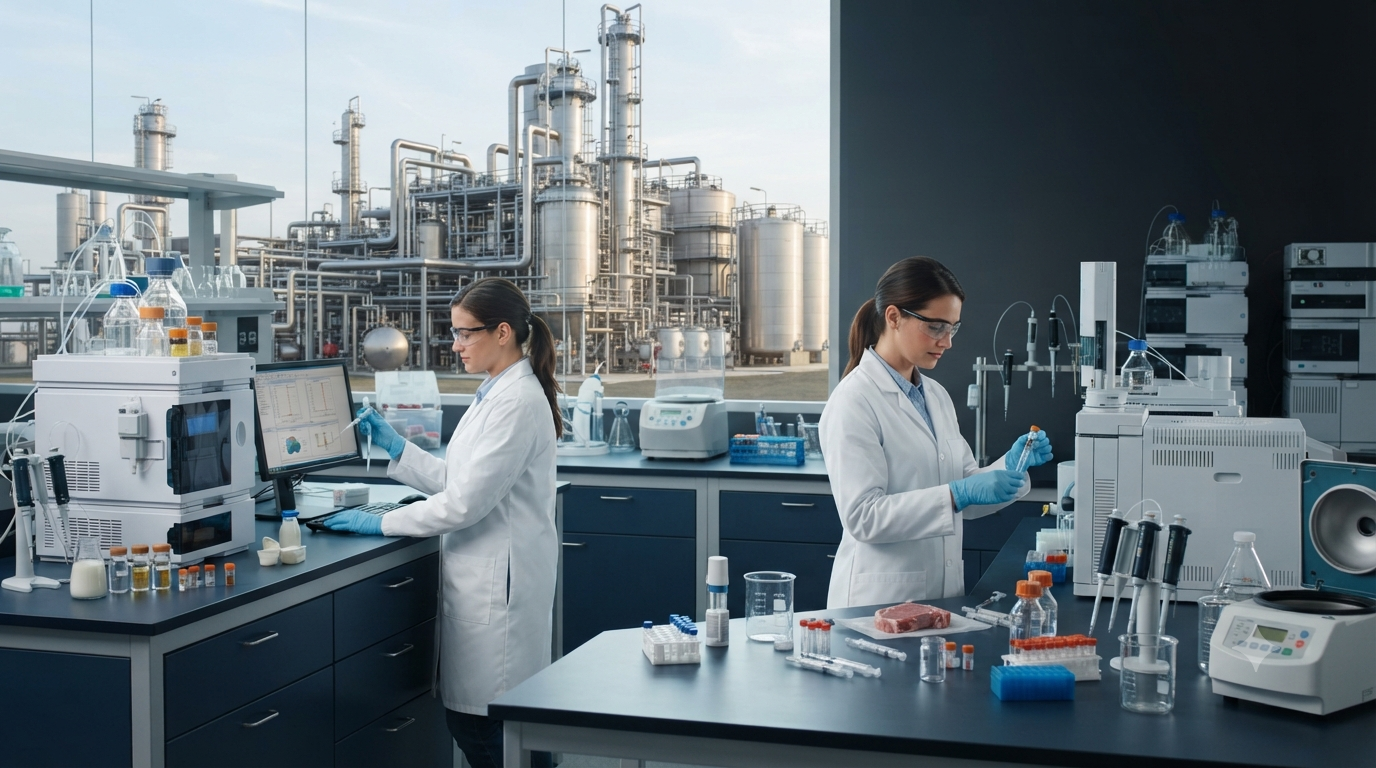
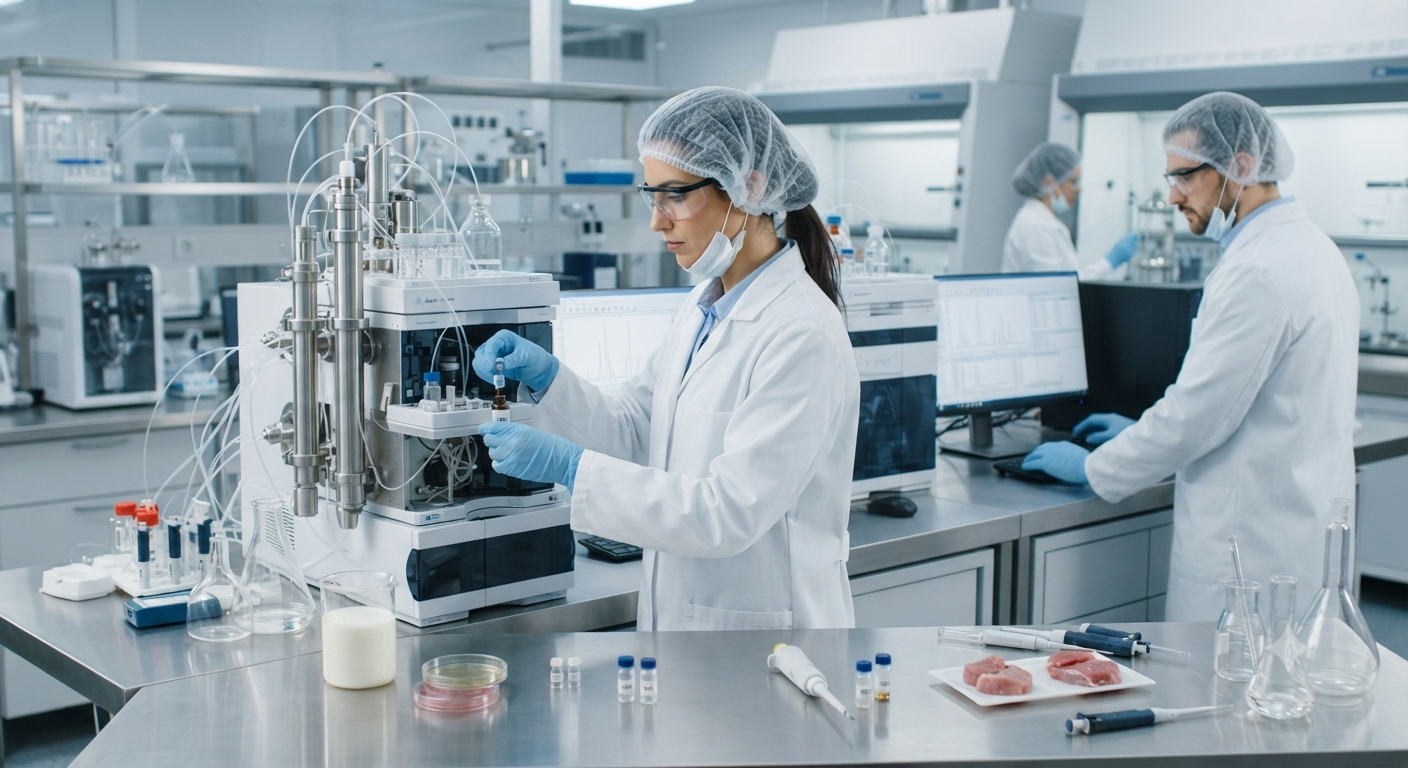
Over the past five decades, advances in analytical science have transformed how food manufacturers monitor chemical contaminants. Modern laboratories can detect dioxins at extremely low concentrations using highly sensitive instrumentation, allowing regulators and manufacturers to verify compliance with strict food safety standards before products enter the market.
For procurement professionals, this means supplier qualification extends beyond reviewing documentation. Confidence increasingly comes from robust analytical verification supported by accredited laboratories and validated testing methods.
Common quality assurance measures include:
Periodic dioxin and dioxin-like PCB testing.
Batch-specific Certificates of Analysis where appropriate.
Accredited laboratory reports.
Supplier environmental monitoring programmes.
Traceability from raw material origin to finished ingredient.
These controls help ensure that animal-derived ingredients consistently meet regulatory requirements while supporting consumer confidence.
Why Procurement Should Understand the History Behind the Regulations
Food safety regulations are often viewed simply as compliance requirements. However, understanding their historical origin provides valuable context when evaluating supplier quality systems.
The legacy of Seveso demonstrates that:
Industrial incidents can have long-term consequences for agricultural supply chains.
Persistent environmental contaminants require ongoing monitoring rather than one-time corrective actions.
Animal-derived ingredients require particular attention because certain contaminants can bioaccumulate in fatty tissues.
Preventive testing is more effective than responding after contaminated products enter the food chain.
This historical perspective helps procurement teams appreciate why contaminant testing remains an essential element of modern supplier qualification.
Best Practices for Procuring Animal-Derived Ingredients
When sourcing dairy ingredients, gelatine, edible fats or other animal-derived materials, procurement teams should look beyond basic product specifications.
A comprehensive supplier evaluation should include:
Evidence of compliance with applicable contaminant regulations.
Routine monitoring programmes for dioxins and related contaminants where relevant.
Full batch traceability from raw material source to finished ingredient.
Food safety certifications recognised by the destination market.
Supplier quality management systems supported by regular audits.
Taking these steps strengthens both regulatory compliance and long-term supply chain reliability.
Seveso's Broader Legacy for the Chemical and Food Industries
Although Seveso is widely associated with industrial process safety, its influence extends across multiple sectors.
Its legacy includes:
Stronger industrial risk management practices.
Improved environmental monitoring.
Enhanced emergency response planning.
More comprehensive contaminant controls within food and feed supply chains.
Greater emphasis on preventive quality assurance throughout global food production.
The incident demonstrated that industrial safety and food safety are closely connected, reinforcing the need for integrated risk management across chemical manufacturing, agriculture and food processing.
What Buyers Should Do Now
Fifty years after the Seveso disaster, its influence remains visible in today's food safety framework. Modern limits for dioxins and dioxin-like PCBs, together with structured testing requirements for animal-derived foods and ingredients, reflect decades of regulatory learning aimed at protecting public health and strengthening supply chain integrity.
For food ingredient procurement professionals, understanding this history adds valuable context to supplier qualification and quality assurance. Rather than viewing contaminant testing as a routine compliance exercise, buyers should recognise it as part of a preventive system developed from real-world experience. Verifying analytical testing, traceability and supplier quality programmes before approving a source helps reduce regulatory risk and supports consistent product quality.
As food supply chains become increasingly global, procurement strategies that combine historical understanding with science-based quality verification will remain essential for maintaining safe, compliant and resilient ingredient sourcing.