The Seveso Disaster at 50: How One Chemical Accident Created Europe's Industrial Safety Framework
On July 10, 1976, a chemical reactor at the ICMESA manufacturing plant near Meda, north of Milan, released a cloud containing TCDD (tetrachlorodibenzo-p-dioxin) over the communities of Seveso and nearby towns. The accident contaminated approximately 18 km² of land, caused severe chloracne in 193 people, forced the evacuation of around 3,300 residents and resulted in widespread animal deaths.
Fifty years later, the Seveso disaster remains one of the defining events in the history of industrial chemical safety. Beyond its immediate human and environmental impact, it transformed how Europe regulates facilities that manufacture, store and handle hazardous chemicals. For procurement professionals, understanding this legacy provides valuable insight into the safety standards that many chemical suppliers operate under today.
The Accident That Changed European Chemical Regulation
The release at the ICMESA plant demonstrated how a single industrial incident could affect not only workers inside a facility but also entire surrounding communities.
Public concern quickly spread across Europe, prompting widespread environmental campaigns and increasing demands for stronger industrial oversight. Regulators recognised that preventing future accidents required more than technical improvements within individual plants. It required a consistent legal framework governing high-risk industrial operations.
This shift marked the beginning of one of Europe's most influential chemical safety regulations.
From Seveso to the Seveso Directive
The first Seveso Directive was introduced in 1982 in response to lessons learned from the disaster.
Over time, the legislation evolved to reflect advances in industrial processes, safety management and environmental protection. Today, the framework operates under Seveso III Directive 2012/18/EU, which applies to facilities handling dangerous substances above defined threshold quantities.
Rather than focusing only on emergency response, the Directive requires companies to identify hazards, reduce risks and prepare comprehensive plans before incidents occur.
What the Seveso III Directive Requires
The Seveso framework establishes a proactive approach to managing major industrial hazards.
Facilities covered by the Directive are expected to implement a broad range of preventive measures, including:
Comprehensive risk assessments that identify potential accident scenarios and appropriate mitigation measures.
Safety management systems that integrate operational controls, maintenance procedures and employee responsibilities.
Emergency response planning coordinated with local authorities and emergency services.
Public information programmes that ensure nearby communities understand relevant risks and emergency procedures.
Regular inspections and regulatory oversight to verify ongoing compliance.
Together, these requirements create multiple layers of protection designed to reduce both the likelihood and consequences of major industrial accidents.
Why Procurement Teams Should Understand Seveso Compliance
Procurement professionals often evaluate suppliers based on price, quality and delivery performance.
For suppliers operating major chemical facilities in Europe, regulatory compliance under the Seveso framework represents another important indicator of operational maturity and risk management.
Understanding whether a supplier operates a Seveso-regulated facility can provide valuable insight into:
The strength of its safety management systems.
Its approach to operational risk.
Emergency preparedness capabilities.
Regulatory oversight and inspection requirements.
Long-term commitment to responsible chemical manufacturing.
These factors contribute to supply reliability as well as corporate governance.
How the Directive Influences Chemical Manufacturing
The Seveso framework has become an integral part of industrial operations across Europe.
Companies planning new facilities or expanding existing plants must consider regulatory obligations from the earliest stages of project development. Safety systems, plant design and operational procedures are all influenced by Seveso requirements.
This integrated approach encourages companies to treat safety as a core operational function rather than a separate compliance activity.
The Procurement Value of Strong Safety Standards
Industrial safety regulations also affect commercial performance.
Facilities with well-developed safety management systems are often better positioned to maintain stable operations, reduce unplanned shutdowns and manage operational risks effectively.
Procurement teams may benefit from reviewing:
Supplier safety certifications and management systems.
Regulatory inspection history where publicly available.
Emergency preparedness procedures.
Investment in plant modernisation.
Long-term environmental and safety commitments.
These considerations complement traditional supplier qualification criteria and support more resilient sourcing strategies.
Seveso's Influence Beyond Europe
Although the Seveso Directive is European legislation, its influence extends far beyond the region.
Many multinational chemical companies apply similar safety management principles across global operations to maintain consistent corporate standards. International customers also increasingly expect suppliers to demonstrate robust risk management regardless of manufacturing location.
As a result, the principles established after the Seveso disaster continue shaping industrial safety practices around the world.
What Buyers Should Take Away
The Seveso disaster remains one of the most significant turning points in the history of the chemical industry. Fifty years after the accident, its legacy lives on through a regulatory framework that has fundamentally changed how major hazard facilities identify risks, protect communities and manage dangerous substances.
For procurement professionals, understanding the origins and practical requirements of the Seveso Directive provides more than historical perspective. It strengthens supplier evaluations, supports better risk management and reinforces the importance of partnering with manufacturers that place industrial safety at the centre of their operations.
Ready to source industrial chemicals from verified global suppliers? Explore competitive offers on our platform today.
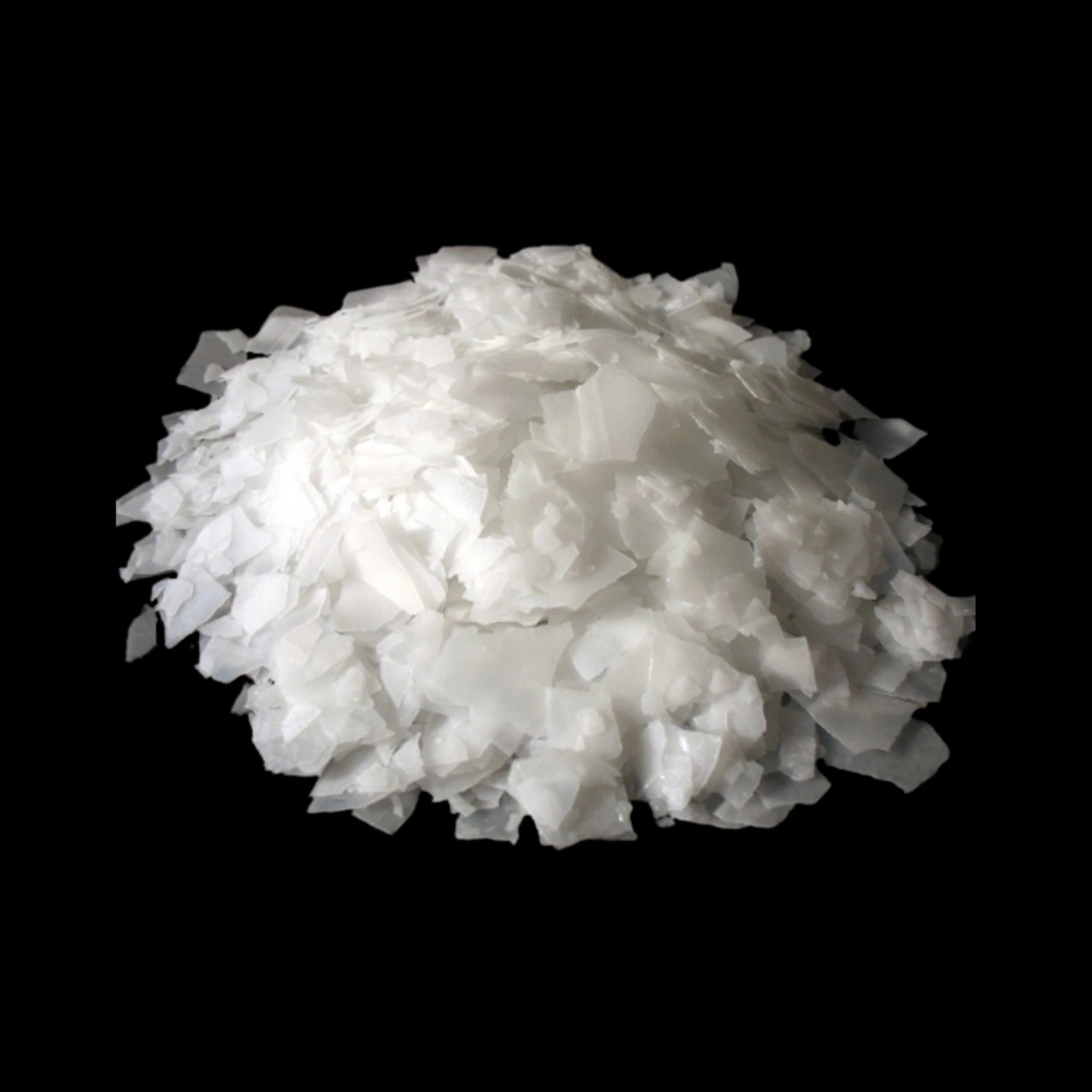
Caustic Soda Flakes
Found this useful?