The True Cost of Removing Synthetic Additives: A Procurement Breakdown
Commercial brand owners executing clean-label initiatives frequently underestimate the total financial impact of eliminating functional chemicals from established recipes. Calculating the true reformulation costs of replacing a synthetic additive reveals substantial expenses that extend far beyond initial purchase price tags. Procurement teams discover that substituting proven synthetic preservatives like potassium sorbate or sodium benzoate with botanical alternatives multiplies raw material spending, increases dosage requirements and complicates shipping logistics. Managing these trade-offs requires a comprehensive total-cost-of-ownership model before legacy ingredients are removed from manufacturing lines.
Ingredient buyers must navigate formulation trade-offs where replacement ingredients demand higher inclusion rates, specialized cold storage and extensive stability testing. Understanding these operational realities prevents unexpected margin erosion during clean-label product rollouts.
The Raw Material Price Disconnect Between Synthetic and Natural
Synthetic workhorses like potassium sorbate, sodium benzoate and synthetic antioxidants deliver unmatched cost efficiency per metric ton. These mass-produced compounds feature high active concentrations exceeding ninety-nine percent, allowing manufacturers to achieve effective preservation at minimal dosage rates between 0.05% and 0.15% by weight.
Natural substitutes such as cultured dextrose, buffered vinegar, rosemary extract and fermented plant extracts trade at unit prices three to ten times higher than synthetic equivalents. Furthermore, these natural extracts typically contain lower active compound concentrations, forcing formulators to increase inclusion rates up to 1.0% or 2.0% of the total batch weight to achieve comparable antimicrobial or antioxidant efficacy.
This compounding effect multiplies the active ingredient cost in finished goods significantly. Procurement teams projecting a simple one-to-one unit cost replacement often face ingredient cost increases of four hundred to eight hundred percent per production batch.
Processing Complications and Manufacturing Line Downtime
Synthetic additives provide exceptional thermal stability and consistent dissolution kinetics across standard industrial food processing equipment. They withstand high-temperature short-time pasteurization, baking ovens and high-pressure extrusion without losing structural integrity or functional efficacy.
Natural replacement ingredients frequently degrade under thermal processing, which forces production engineers to overdose raw materials or invest in expensive microencapsulated grades. Botanical extracts can also cause severe foaming, alter slurry viscosity and leave sticky residues on mixing impellers and heat exchanger plates.
These physical processing shifts cause higher scrap rates, extend clean-in-place cycles and reduce overall line throughput. Sourcing teams must account for increased factory downtime and higher utility consumption when calculating the economics of additive removal.
Shelf-Life Contraction and Cold Chain Supply Realities
A primary functional benefit of synthetic chemical additives is their ability to guarantee twelve to twenty-four months of ambient storage stability. When manufacturers remove synthetic antimicrobials, the resulting clean-label formulations frequently experience a thirty to fifty percent reduction in ambient shelf longevity.
To prevent premature microbial spoilage and lipid oxidation, brands are often forced to transition ambient product lines into temperature-controlled cold chains. Shifting from dry ambient distribution to refrigerated warehousing increases storage expenses, pallet holding fees and freight rates dramatically.
Shorter product lifespans also elevate inventory write-offs across distributor networks and retail warehouses. Procurement managers must factor higher unsaleable product returns and inventory obsolescence into their commercial viability models.
Regulatory Dossiers and Multi-Market Registration Expenses
Replacing standardized synthetic chemicals that hold universal regulatory approval creates immediate compliance friction across export destinations. Ingredients like potassium sorbate possess established E-numbers, clear GRAS status and harmonized maximum residue limits across all major global trading jurisdictions.

In contrast, natural preservation systems and novel botanical blends face fragmented regulatory definitions across the European Union, the United States and Asian markets. Sourcing managers must spend considerable financial resources securing toxicological dossiers, non-GMO verifications, allergen declarations and halal certifications for every regional trade lane.
Submitting updated product dossiers to international regulatory bodies incurs substantial legal, consulting and registration fees. If a specific natural extract lacks regulatory approval in a key destination market, brand owners must develop separate regional formulations, multiplying SKU complexity and procurement overhead.
Agricultural Volatility and Supply Base Vulnerability
Synthetic chemical additives are produced via scalable chemical synthesis processes with predictable raw material supply chains and steady plant utilization. Commercial refiners maintain multi-thousand-ton inventories, shielding buyers from sudden volume deficits and extreme spot price swings.
Natural alternatives depend directly on agricultural crop yields, botanical harvest cycles and seasonal weather conditions. Frost, drought, plant disease or localized harvest failures can wipe out regional supplies of specific botanical extracts, triggering immediate allocation quotas and price surges.
Procurement teams shifting toward natural inputs must build redundant supply networks across multiple agricultural geographies to ensure supply security. This requires extensive supplier auditing, physical site inspections and higher working capital commitments to finance larger inventory safety buffers.
Packaging Re-Engineering and Analytical Validation Costs
Removing synthetic stabilizers often compromises a formulation's resistance to atmospheric oxygen and ambient moisture migration. To compensate for the loss of internal chemical protection, packaging engineers must upgrade product packaging to high-barrier laminates, metallized films or active oxygen-scavenging sachets.
Advanced barrier materials cost twenty to forty percent more than standard packaging films and can complicate corporate recyclability commitments. Procurement departments must absorb these higher packaging conversion costs alongside elevated ingredient expenses.
Furthermore, validating a reformulated product requires extensive analytical testing programs before commercial release. Brands must finance real-time microbial challenge testing, accelerated shelf-life studies, volatile aroma profiling and consumer sensory panels across multiple production batches.
Strategic Procurement Frameworks for Reformulation Projects
Procurement leaders must move beyond simple bill-of-materials comparisons by adopting comprehensive total-cost-of-ownership frameworks. A successful reformulation assessment integrates raw material multipliers, processing scrap, packaging upgrades, analytical validation and freight differentials into a unified cost projection.
Buyers should implement milestone-based development contracts with ingredient suppliers that guarantee technical application support and batch consistency during pilot manufacturing trials. Securing forward supply commitments with price-band protections shields brand owners from volatile agricultural raw material markets.
Establishing hybrid preservation systems can offer a cost-effective intermediate pathway for brands balancing clean-label goals with commercial margins. Combining reduced dosages of synthetic preservatives with functional organic acids, such as citric acid or ascorbic acid, allows companies to optimize performance while reducing chemical concentrations.
The Bottom Line for Brand Owners
Eliminating synthetic additives is rarely a straightforward ingredient substitution. It represents a systemic operational overhaul that impacts raw material spending, manufacturing efficiency, packaging design, regulatory compliance and global distribution logistics.
Brand owners that succeed in clean-label transitions do so by engaging procurement specialists at the earliest stages of product development. Cross-functional alignment between purchasing, product development and supply chain teams ensures that commercial pricing accurately reflects the true operational costs of removing synthetic ingredients.
Evaluating supplier capabilities across both traditional and alternative additive portfolios ensures sustained manufacturing agility and margin protection. Ready to source Potassium Sorbate Food Grade (E202) from verified global suppliers? Explore competitive offers on our platform today.
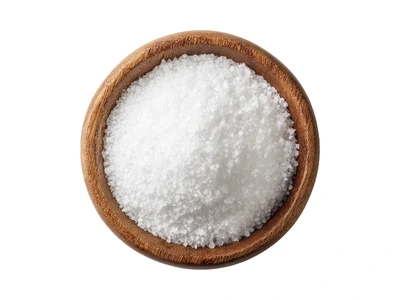
Potassium Sorbate Food Grade (E202)
Found this useful?