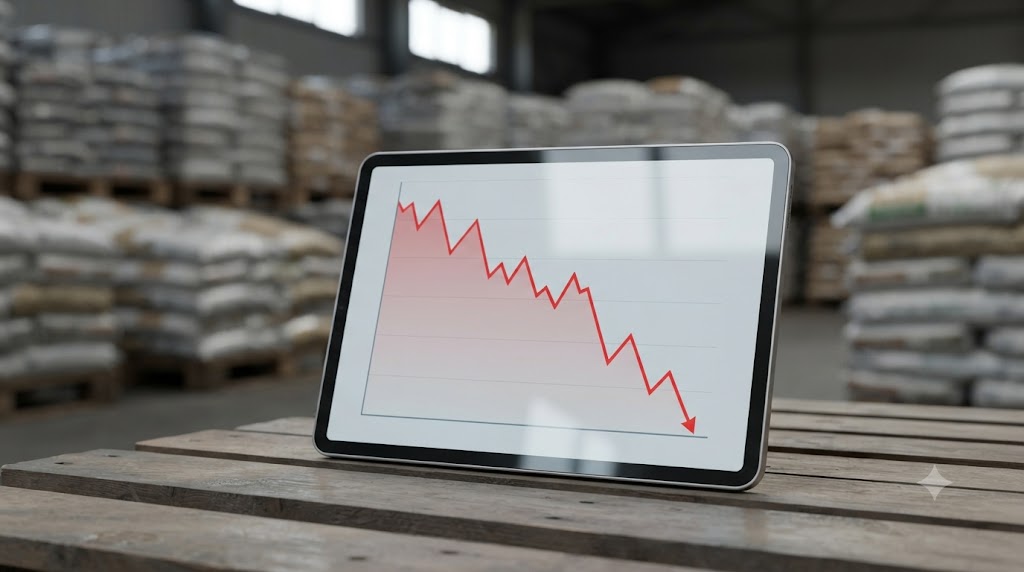
Retail fertilizer prices experienced a brief period of stability over the past month. DTN tracked mostly lower prices for three consecutive weeks through early July. This trend provided much-needed relief to agricultural producers facing tight margins. However, that calm is now ending. Renewed volatility is testing the market and pushing costs upward once again. Procurement managers and farm operators must recognize this shift immediately. The window for securing inputs at discounted rates has likely closed. Understanding the drivers behind this reversal is critical for effective budget management. Buyers need to adapt their purchasing strategies to navigate this new phase of price pressure.
The End of the Three-Week Price Decline
The recent dip in retail fertilizer prices offered a temporary reprieve from high input costs. Dealers reduced quotes on key nutrients like urea, diammonium phosphate and potash. This decline reflected a brief lull in global demand and adequate local inventory levels.
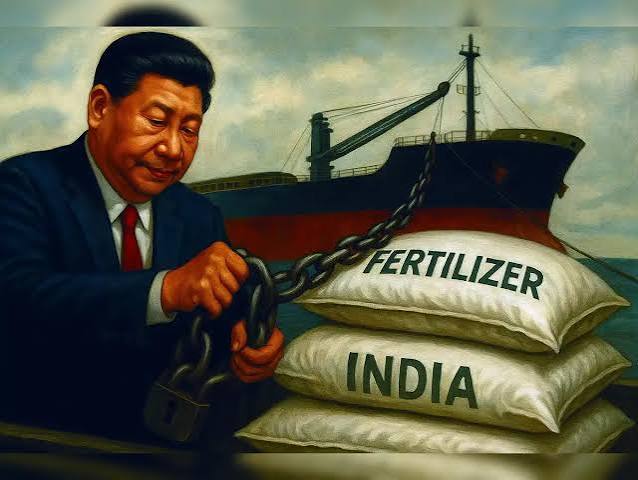
Farmers used this time to reassess their nutrient plans without immediate financial pressure. However, the market dynamics have shifted rapidly. Global supply constraints are reasserting themselves. Export restrictions from major producing nations are tightening available volumes.
The three-week decline was an anomaly rather than a structural trend. Current market signals indicate that the bottom has been reached. Prices are now responding to fundamental supply deficits and rising production costs. Buyers who delayed purchases expecting further drops may now face higher entry points.
Drivers Behind the Renewed Volatility
Several factors are converging to push retail prices upward. Geopolitical tensions continue to disrupt global trade flows. Shipping delays and freight cost increases add to the landed cost of imported nutrients.
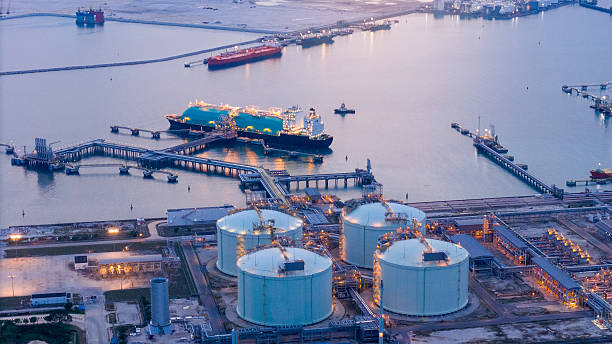
Energy prices remain elevated in many regions. Natural gas is a primary feedstock for nitrogen production. Higher energy costs directly translate to higher manufacturing expenses for urea and ammonia. Producers pass these costs down the supply chain to maintain margins.
Supply tightness: Reduced exports from key origins limit global availability.
Freight inflation: Higher shipping costs increase the final delivered price.
Energy premiums: Elevated natural gas prices raise production costs for nitrogen products.
Demand resurgence: Late-season buying activity absorbs remaining spot inventory.
These drivers create a perfect storm for price increases. The market is no longer oversupplied. Buyers must compete for limited available cargo. This competition drives up spot prices and influences retail dealer quoting behavior.
Impact on Key Nutrient Categories
The upward pressure affects different nutrient categories unevenly. Nitrogen products feel the most direct impact from energy costs. Urea and anhydrous ammonia prices rise in correlation with natural gas benchmarks.
Phosphate markets face supply-side constraints. Export restrictions from major producers reduce global availability. This scarcity drives up prices for diammonium phosphate and monoammonium phosphate.
Potash markets remain relatively stable but show signs of tightening. Inventory drawdowns in key importing regions reduce buffer stocks. Any disruption in supply chains will quickly translate to higher retail quotes. Dealers adjust their pricing models to reflect these emerging risks.
Strategic Responses for Agricultural Buyers
Farmers and procurement teams must act decisively in this changing environment. Waiting for prices to drop further is a risky strategy. The current trend suggests sustained upward pressure.
Securing remaining nutrient needs sooner rather than later locks in current rates. Delaying purchases exposes operations to potential spikes later in the season. Forward contracting can provide price certainty for future applications.
Engaging with local dealers early ensures access to available inventory. Supply allocations may become necessary if demand outstrips supply. Building strong relationships with suppliers improves priority status during tight markets.
Consider alternative nutrient sources or blended formulations. Some specialized products may offer better value or availability than standard commodities. Consulting with agronomists helps identify viable substitutions that maintain crop productivity.
Navigating Dealer Inventory and Allocation Risks
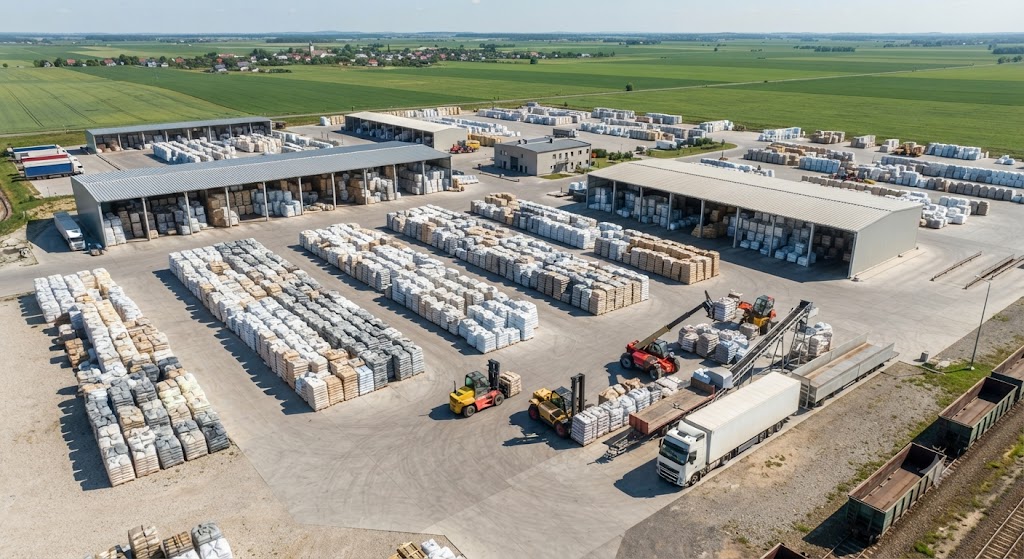
Retail dealers manage their own inventory risks carefully. They may hesitate to restock at higher wholesale prices. This caution can lead to localized shortages even if global supplies exist.
Buyers should verify dealer inventory levels before finalizing plans. Confirming physical availability prevents last-minute scrambling. Pre-paying for orders can secure allocation in competitive markets.
Understanding dealer pricing mechanisms helps in negotiations. Many retailers use index-based pricing that adjusts with wholesale markets. Knowing these triggers allows buyers to time their purchases more effectively. Transparency in communication builds trust and facilitates smoother transactions.
Long-Term Implications for Farm Budgets
Sustained higher fertilizer costs compress farm profit margins. Producers must adjust their financial forecasts accordingly. Reducing application rates without agronomic justification risks yield penalties.
Efficient nutrient management becomes even more critical. Precision agriculture technologies help optimize input usage. Soil testing ensures that applied nutrients match crop requirements accurately.
Diversifying revenue streams can offset higher input costs. Exploring value-added crops or alternative marketing channels improves overall farm resilience. Financial planning must account for volatile input markets in future seasons.
What Buyers Should Do Now
The end of the three-week price decline marks a turning point for retail fertilizer markets. Procurement professionals must treat this shift as a signal to act. Secure remaining nutrient needs through reliable channels immediately.
Engage dealers in transparent discussions about inventory and pricing trends. Verify physical availability to avoid supply gaps. Diversify your sourcing options where possible to mitigate local shortages.
Building resilience into your purchasing strategy ensures operational continuity despite market volatility. The organizations that adapt quickly to these price pressures will maintain competitive advantage.
Ready to source Diammonium Phosphate from verified global suppliers? Explore competitive offers on our platform today.