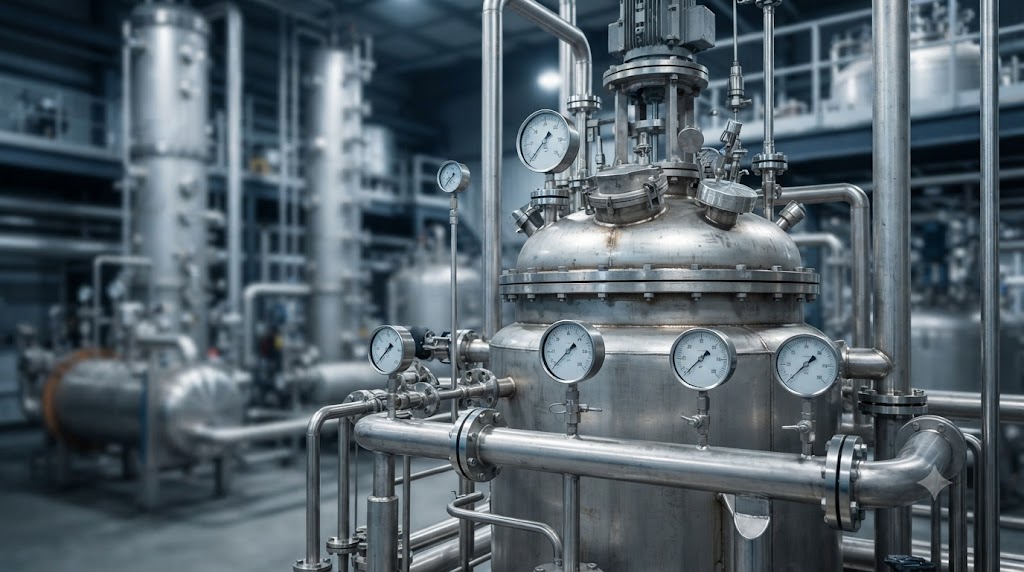
Tinci Materials Presses Ahead With 35,000-Tonne Lithium Hexafluorophosphate Expansion
Tinci Materials is proceeding with a major project to add 35,000 tonnes of lithium hexafluorophosphate capacity. This expansion relies on advanced technical upgrades and targets production readiness in the second half of 2026. The move signals a strategic push to capture growing global demand for battery electrolytes. Procurement managers and chemical traders must monitor this development closely. It represents a significant shift in the supply dynamics for critical battery chemicals. Buyers need to understand how this new volume will impact global pricing and availability. Securing reliable supply chains now is essential for maintaining competitive manufacturing operations.
The 35,000-Tonne Lithium Hexafluorophosphate Expansion
Tinci Materials continues to solidify its position in the global battery chemical market. The company is actively advancing a project to increase its production capacity by 35,000 tonnes. This specific chemical serves as the primary lithium salt in lithium-ion battery electrolytes.
The expansion directly addresses the surging demand from electric vehicle manufacturers and energy storage providers. Industry analysts view this move as a direct response to tightening global supply chains. Adding this volume will significantly alter the competitive landscape for electrolyte materials.
Buyers should expect this new capacity to come online during the second half of 2026. This timeline aligns with broader industry projections for increased battery manufacturing output. Procurement teams must prepare for a shift in market availability.
Technical Upgrades Driving Production Efficiency
The project relies heavily on advanced technical upgrades rather than simple facility replication. These enhancements focus on improving yield rates and reducing overall energy consumption. Modernizing the production process allows for higher purity outputs required by top-tier battery makers.
Implementing these upgrades minimizes the environmental footprint of chemical manufacturing. Stricter global regulations demand cleaner production methods for battery materials. Tinci Materials is investing in these technologies to maintain compliance and operational efficiency.
Higher efficiency translates to more stable pricing for downstream buyers. Producers can absorb minor raw material fluctuations without immediately passing costs to customers. This operational stability is a critical factor for long-term supply agreements.
Impact on Global Battery Chemical Supply Chains
The addition of 35,000 tonnes will ease current bottlenecks in the electrolyte supply chain. Global battery manufacturers have faced consistent challenges in securing high-purity lithium salts. This new volume provides a much-needed buffer against unexpected production disruptions.
Asian markets will likely absorb a significant portion of this initial output. However, international buyers will also benefit from the increased global availability. Diversified supply sources reduce the risk of regional logistical failures.
Procurement professionals must track the commissioning timeline closely. Delays in technical upgrades could push the production date further into late 2026. Maintaining open communication with suppliers helps buyers anticipate these potential shifts.
Market Dynamics and Pricing Pressures for Buyers
Increased capacity often leads to short-term pricing adjustments in commodity chemical markets. Buyers may see a stabilization or slight reduction in spot prices as new volume enters the market. This environment favors purchasers looking to lock in favorable long-term contracts.
However, raw material costs for lithium and fluoride compounds remain volatile. Producers must balance competitive pricing with the need to maintain healthy profit margins. Buyers should not expect drastic price collapses despite the capacity increase.
Supply stabilization: New volume reduces the premium currently paid for guaranteed delivery.
Quality consistency: Technical upgrades ensure the new output meets strict international purity standards.
Logistical advantages: Expanded facilities often include improved packaging and shipping infrastructure.
Contract flexibility: Suppliers may offer more favorable terms to secure baseline volume commitments.
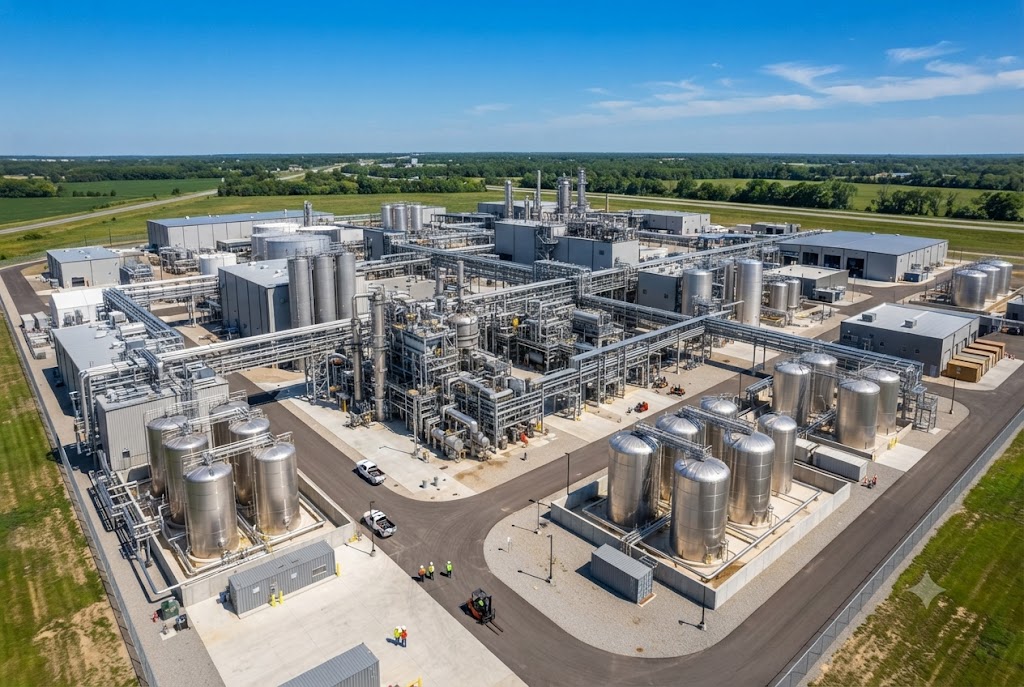
Strategic Sourcing Adjustments for Procurement Teams
Chemical buyers must adapt their strategies to leverage this incoming supply. Relying on outdated sourcing models limits your ability to capitalize on market shifts. Proactive planning ensures your organization secures the best possible terms.
Engage with suppliers early to understand their allocation strategies for the new capacity. Building strong relationships now provides priority access when the facility becomes operational. Procurement teams should also evaluate their current inventory buffers.
Diversify supplier geography. Qualify alternative sources to reduce dependence on a single manufacturer.
Negotiate flexible contract terms. Use index-linked agreements to share raw material price risks transparently.
Validate quality protocols. Ensure the new production lines meet your specific technical requirements before signing contracts.
Monitor commissioning updates. Track project milestones to align your purchasing schedule with actual availability.
Evaluating Alternative Feedstock and Processing Routes
Chemical producers are actively exploring alternative processing routes to bypass expensive infrastructure. Some facilities are investing in localized production capabilities. This reduces their reliance on long-distance maritime imports.
Others are securing dedicated supply contracts with regional manufacturers. These partnerships minimize transit distances and lower the overall carbon footprint. Buyers should inquire about these resilience investments during supplier audits.
Facilities with robust local supply chains represent lower logistical risk. This due diligence step is critical for maintaining uninterrupted production. Downstream manufacturers rely on consistent chemical deliveries to maintain their own production schedules.
What Buyers Should Do Now
The 35,000-tonne expansion by Tinci Materials marks a significant development for the battery chemical sector. Procurement professionals must treat this capacity increase as a strategic opportunity. Auditing your current supply chain for vulnerabilities is the essential first step.
Engage with emerging suppliers to understand their production timelines and export capabilities. Verify their compliance with international quality and safety standards. Diversifying your sourcing base protects your organization from future regional disruptions.
Procurement teams must collaborate closely with internal engineering and quality assurance departments. Validating new chemical sources requires rigorous technical testing and approval cycles. Starting this process early prevents operational delays when new supply becomes available.
Building resilient procurement networks requires decisive action. The organizations that adapt to this new supply reality will secure a lasting competitive advantage. Others will remain vulnerable to outdated market dynamics and pricing volatility.
Ready to source Phosphoric Acid (85%) from verified global suppliers? Explore competitive offers on our platform today.
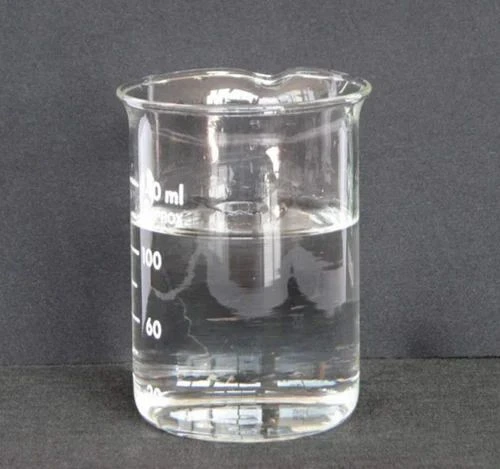
Phosphoric Acid (85%) (E338)
Found this useful?