TPC's C4 Chemistry Has Limited but Real Overlap With Agrochemical Intermediate Supply
TPC's C4 Chemistry Has Limited but Real Overlap With Agrochemical Intermediate Supply
Introduction
TPC Group's position in the C4 hydrocarbon value chain gives the company a limited but relevant connection to the agrochemical industry. TPC is primarily a producer and processor of C4-derived chemicals rather than a dedicated agrochemical-intermediate supplier, but some of its products can enter chemical pathways that support agricultural formulations and specialty intermediates.
The connection is most visible around isobutylene-derived chemistry, particularly di-isobutylene and related derivatives. TPC describes its portfolio as including crude C4 processing, butadiene, butene-1, isobutylene and di-isobutylene, while serving chemical, plastics, refining, synthetic rubber and other industries. (TPC Group)
TPC's C4 Platform Provides the Starting Point
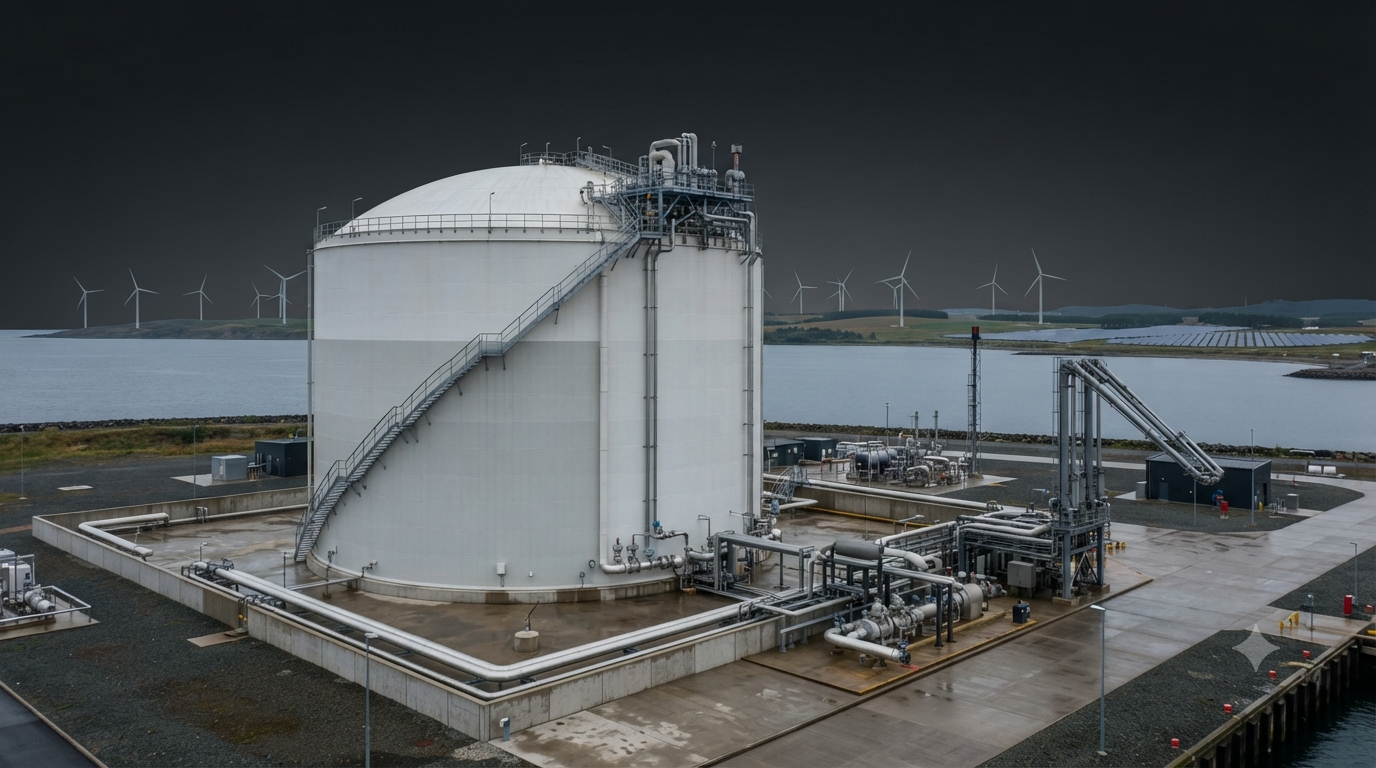
TPC processes crude C4 streams obtained primarily from ethylene crackers and separates them into higher-value components such as butadiene, butene-1 and raffinate streams. The company describes itself as the largest independent processor of crude C4 in North America. (TPC Group)
Its Houston operations also produce isobutylene and di-isobutylene, giving TPC exposure to downstream specialty-chemical markets beyond traditional rubber and petrochemical applications. (TPC Group)
This matters for agrochemical supply chains because C4 chemistry can serve as an upstream building block for selected specialty chemicals rather than functioning as a direct pesticide-active ingredient.
Where the Agrochemical Connection Appears
The overlap with agrochemicals is real but relatively narrow.
One important example is the broader chemistry of isobutylene-derived oligomers and polymers. The U.S. Environmental Protection Agency's 2026 reassessment identifies isobutylene-butene copolymers among materials used as binders in certain pesticide formulations applied to soil. (US EPA)
This illustrates an important distinction: C4-derived chemistry can support the formulation and performance side of agricultural products without necessarily being a direct intermediate for the synthesis of a pesticide active ingredient.
Other downstream isobutylene chemistry can also produce specialty materials that serve multiple industries, creating indirect connections between petrochemical feedstocks and agricultural chemical supply chains.
Di-Isobutylene Adds Another Layer of Connectivity
TPC's di-isobutylene (DIB) business is particularly relevant when examining the company's specialty-chemical footprint.
DIB is produced by dimerizing isobutylene and is used as an intermediate in a variety of chemical products. TPC identifies applications including plastic additives, adhesive resins and personal-care products, while other producers describe isobutylene-derived chemistry as contributing to products such as stabilizers, esters, alkylated aromatics and certain pesticide-related additives. (TPC Group)
This does not mean DIB represents a major agrochemical feedstock for TPC. Rather, it demonstrates how C4-derived intermediates can cross into specialty chemical value chains that touch agriculture.
TPC Is Not Primarily an Agrochemical Intermediate Producer
The distinction is important for procurement analysis.
TPC's core C4 portfolio is heavily oriented toward petrochemicals, synthetic rubber, plastics, fuels, lubricants and specialty chemicals. Its current crude C4 expansion program is focused on increasing processing flexibility and capacity, including a planned 19% increase in hydrotreating capacity and improvements to its butadiene extraction system. (TPC Group)
Therefore, it would be misleading to characterize TPC as a major dedicated supplier of agrochemical intermediates.
Instead, its relevance to agriculture comes through selected downstream chemical pathways, particularly where C4-derived molecules become components, additives or building blocks used by other chemical manufacturers.
Why C4 Availability Can Still Matter to Agrochemical Supply Chains
Even limited overlap can become strategically important when chemical supply chains tighten.
C4 feedstocks sit relatively upstream in the petrochemical chain. Changes in crude C4 availability, processing capacity, logistics or regional trade flows can influence the economics and availability of downstream derivatives.
TPC has been expanding its C4 processing capabilities. In December 2024, the company reported a 20% increase in maximum sustained daily butadiene production at its Houston site, bringing nameplate capacity to approximately 1.1 billion pounds per year. (TPC Group)
For chemical buyers, this type of capacity development can therefore be relevant even when the final application is outside TPC's core markets.
Global Trade Adds Another Variable
C4 markets are also becoming increasingly connected across regions.
S&P Global's 2026 analysis indicates that Asia, particularly China, is expected to remain a net importer of butadiene during 2026, while Western exports face changing economics and trade flows. (S&P Global)
For downstream manufacturers, this means that availability and pricing of C4 derivatives can be influenced by regional feedstock balances, transportation economics and trade policy.
Agrochemical manufacturers sourcing specialty intermediates may therefore encounter C4-related supply-chain effects even when they do not purchase C4 chemicals directly.
What This Means for Agrochemical Procurement
The practical implication is that procurement teams should distinguish between direct and indirect exposure.
Direct exposure would involve purchasing a TPC product specifically used as a chemical intermediate or formulation component.
Indirect exposure occurs when an agrochemical intermediate supplier relies on isobutylene-derived chemicals or other C4 derivatives further upstream.
The second category can be harder to identify because the C4 feedstock may disappear several stages upstream from the final pesticide intermediate.
This makes upstream feedstock mapping increasingly important for companies trying to understand chemical supply-chain risks.
Limited Overlap, but Strategic Relevance
TPC's connection to agrochemicals should therefore be viewed as selective rather than broad.
The company's C4 platform primarily serves industrial and specialty-chemical markets, but isobutylene-derived products can participate in downstream applications that include pesticide formulation materials and other agricultural chemical uses. (US EPA)
That creates a potential supply-chain link between North American C4 processing and portions of the agrochemical ecosystem.
For buyers, the significance is less about TPC becoming an agrochemical supplier and more about recognizing how upstream petrochemical availability can influence specialized agricultural chemical chains.
Conclusion
TPC Group's C4 chemistry has limited but genuine overlap with agrochemical supply.
The company is fundamentally a C4 processor and specialty-chemical producer, with major positions in butadiene, butene-1, isobutylene and di-isobutylene. Some of these products and their downstream derivatives can enter agricultural chemical formulations or specialty chemical pathways. (TPC Group)
The broader lesson for agrochemical procurement is that supply-chain exposure does not always begin with a pesticide active ingredient or named intermediate. Upstream C4 feedstocks, processing capacity and derivative availability can also influence selected parts of the agricultural chemical value chain.
As TPC expands its C4 processing capabilities, its developments are therefore worth monitoring—not as a direct indicator of agrochemical supply, but as a potential upstream signal for specialty chemical availability and selected agricultural applications. (TPC Group)

Stearic Acid Triple Pressed (C18 20% - 30%)
Found this useful?