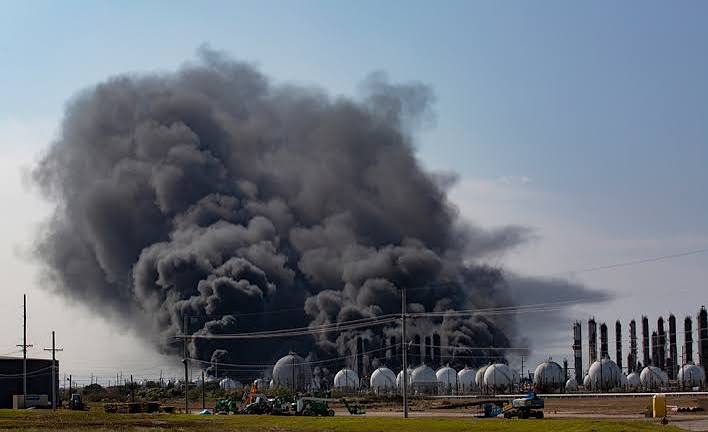
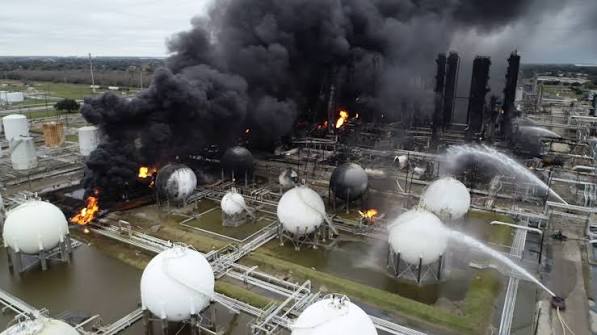
TPC Group's pending sale to ENEOS Holdings brings renewed attention to a facility with a serious safety history. On November 27, 2019, a series of explosions at TPC's Port Neches, Texas plant released highly flammable butadiene, injuring several workers and forcing the evacuation of more than 50,000 residents. The blast was reportedly felt up to 30 miles away.
As ownership of that facility transitions to a new operator, the regulatory obligations tied to that history do not disappear. They transfer along with the plant.
What Happened at Port Neches
The Port Neches facility manufactured 1,3-butadiene and raffinate-1, and was subject to both OSHA's process safety management standard and the EPA's risk management plan program. According to the US Chemical Safety Board's investigation, the explosions stemmed from an out-of-service section of pipe known as a dead leg, where butadiene accumulated and formed a hazardous substance called popcorn polymer.
The scale of the incident was significant by any measure.
The explosions released more than 11 million pounds of hazardous chemicals, according to Department of Justice findings.
Offsite property damage and related impacts exceeded $130 million.
The facility, which accounted for roughly 20% of US butadiene production, burned for more than a month following the initial blast.
The Legal and Regulatory Aftermath
TPC Group's legal exposure from the incident took years to resolve. The company ultimately pleaded guilty to a Clean Air Act violation and was fined more than $30 million in combined criminal fines and civil penalties. As part of the resolution, TPC agreed to conduct an inherently safer technology review across its facilities and committed to hosting community meetings on evacuation routes and shelter-in-place procedures.
The consent decree tied to the case required TPC to overhaul its process hazard analysis program, update operating procedures and worker training, and revise emergency shutdown protocols. These are not one-time fixes. They represent an ongoing compliance framework the company remains bound to.
A related concern surfaced after regulators extended their review to TPC's Houston facility. EPA investigators identified at least 63 similar dead-leg pipe segments there, more than 50 of which were managed only through administrative controls rather than physical safeguards, in a location with a far larger surrounding population than Port Neches.
What Changes When Ownership Changes
When ENEOS completes its acquisition of TPC, expected in October 2026, it inherits not just the physical assets but the compliance obligations tied to them. Consent decrees, ongoing process safety commitments and regulatory relationships with agencies like OSHA and the EPA generally transfer with the facility rather than resetting under new ownership.
That creates a specific set of responsibilities for ENEOS as the incoming operator.
Continuing the inherently safer technology review and remediation work TPC committed to as part of its Clean Air Act settlement.
Maintaining the updated process hazard analysis and emergency shutdown procedures already required under the existing consent decree.
Managing community relations obligations in Port Neches, given the scale of the 2019 evacuation and the trust rebuilding still underway in the surrounding area.
Buyers and supply chain partners should not assume a change in ownership automatically resolves or restarts these obligations. Regulatory scrutiny of the facility is likely to continue at a similar or heightened level through the ownership transition, particularly given the facility's history and its significance to North American butadiene supply.
What This Means for Buyers in the Supply Chain
For companies sourcing butadiene, raffinate or downstream synthetic rubber materials tied to TPC's operations, safety history is a legitimate factor in supply chain risk assessment, not just an environmental or reputational concern. A facility responsible for a fifth of US butadiene production carries outsized importance if operational disruptions recur.
Buyers with contracts tied to Port Neches or Houston output should ask new ownership directly about the status of ongoing safety remediation commitments.
A facility operating under close regulatory scrutiny may face periodic inspection-driven slowdowns, which is worth factoring into supply continuity planning.
ENEOS's stated commitment to continued investment in TPC's assets is a reasonable signal of intent, but buyers should look for concrete safety investment disclosures as the transition progresses rather than treating the statement alone as reassurance.
What Buyers Should Do Now
TPC's Port Neches history is a serious one, and the regulatory framework built in its aftermath remains active regardless of who owns the facility. ENEOS's acquisition does not erase that history, and buyers dependent on this supply chain should treat the ownership transition as a moment to reconfirm safety compliance status rather than assume continuity.
Watching for how ENEOS communicates its safety priorities once the deal closes, and whether independent bodies like the Chemical Safety Board or EPA issue any updated findings during the transition, will give buyers a clearer read on whether this critical piece of North American butadiene infrastructure is being managed with the rigor its history demands.