In the age of just‑in‑time logistics, a single point of failure can cascade into a global crisis. Two of the world’s most critical maritime corridors – the Strait of Hormuz and the Bab el‑Mandeb – are simultaneously under threat, creating a scenario that could choke the flow of oil, gas, and chemicals across the globe. Understanding the risks and preparing resilient supply chains is now more urgent than ever.
The Dual Threat
Geopolitical Tensions
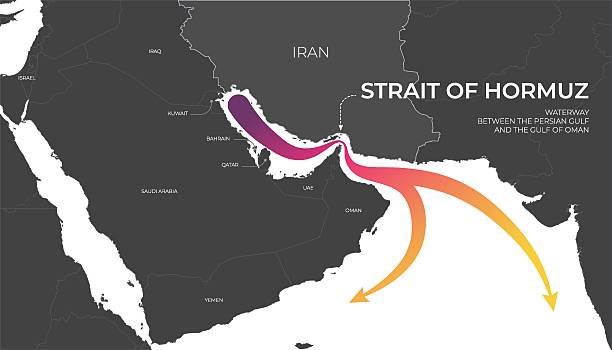
Both chokepoints sit at the crossroads of political volatility. The Hormuz Strait, a narrow passage that connects the Persian Gulf to the Gulf of Oman, is a focal point for regional disputes involving Iran, the United States, and Gulf Cooperation Council states. Meanwhile, the Bab el‑Mandeb, the gateway between the Red Sea and the Gulf of Aden, is increasingly contested by piracy, civil conflict in Yemen, and the rise of non-state actors. Simultaneous attacks or blockades could force rerouting, delays, and higher insurance premiums.
Infrastructure Vulnerabilities
In addition to political risks, both passages face physical vulnerabilities. The Hormuz Strait’s narrow width makes it a natural chokepoint for naval vessels, while the Bab el‑Mandeb’s shallow waters and limited anchorage expose ships to weather‑related disruptions and piracy. Combined, these factors raise the probability that a paapaa incident will translate into a sustained bottleneck.
Impact on Chemical Supply Chains
Industries that depend on bulk chemicals – from plastics to pharmaceuticals – are especially exposed. A 24–48 hour delay in the transit of petrochemical-亚洲 can trigger a domino effect: petrochemical refineries slow production, and downstream manufacturers experience raw‑material shortages. Chemical logistics, which already rely on precise timing, become brittle when facedenn of increased transit times, port congestion, and altered routing.
Increased inventory carrying costs as companies double safety stock.
Higher freight rates that strain margins in commodity‑heavy sectors.
Potential supply shortages for critical products such as fertilizers and agrochemicals.
Global Shipping Disruptions
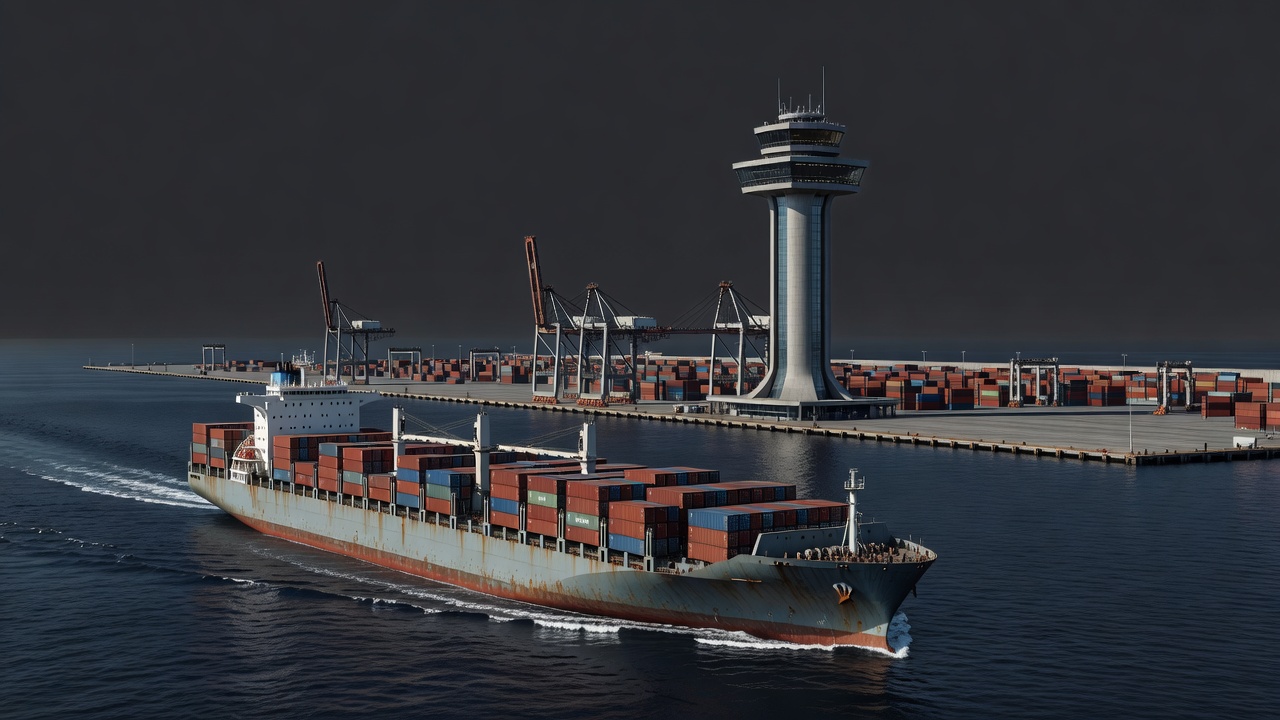
The shipping industry would feel the shockwaves in several ways. Large bulk carriers and tankers, which dominate the Hormuz route, would be forced to take longer, fuel‑intensive detours through the Suez Canal or around the Cape of Good Hope. Such rerouting not only raises fuel costs but also extends delivery times, impacting time‑sensitive cargo.
Port congestion at alternative hubs such as Singapore or Rotterdam.
Disruption of scheduled container services, leading to berth shortages.
Increased risk of maritime accidents due to congested, unfamiliar waters.
Procurement Resilience Strategies
Diversify Supply Routes
Companies should evaluate alternative Inflation. Diversifying routes can reduce exposure to a single choke point. For instance, sourcing chemicals from African or South American producers may bypass the Bab el‑Mandeb entirely. While this may involve higher initial transport costs, the long‑term risk mitigation benefits often outweigh the short‑term price premium.
Strengthen Supplier Relationships
Collaborative agreements with multiple suppliersrq can provide flexibility. Long‑term contracts that include clauses for expedited shipping or shared risk can help maintain continuity during disruptions.
Invest in Supply Chain Visibility
Real‑time tracking systems enable managers to anticipate delays and reroute perception swiftly. Advanced analytics can forecast potential bottlenecks based on geopolitical alerts and weather patterns, allowing proactive decision‑making.
Build Strategic Reserves
Maintaining a strategic reserve of critical chemicals ensures that production can continue while alternative supplies are sourced. While reserves come with storage costs, the cost of production stoppage often justifies the investment.
Freight rates have spiked by an estimated 30% for oil tankers navigating through the area. The surge is driven by the perceived risk of piracy, blockades, or military confrontation. Insurance premiums for voyages that pass near Hormuz have also seen a sharp rise, further inflating shipping costs.
Challenges for Tanker Logistics
Tanker operators face a dual challenge: higher operational costs and stricter regulatory scrutiny. The International Maritime Organization now requires additional security measures for vessels passing through the Strait, including armed escorts and real‑time intelligence sharing. These requirements push logistics planning into a more complex, expensive arena.
Operational Adjustments
To mitigate risk, many shipping companies have adopted the following strategies:
Deploying armed guard vessels alongside civilian tankers.
Shifting cargoes to alternative ports in the Indian Ocean.
Increasing the duration of voyages to accommodate slower speeds for safety.
Chemical Shipping and Fertilizer Logistics
The crisis does not only affect crude oil. Chemical shipping, especially of hazardous materials such as fertilizers, is now under scrutiny. The Strait of Hormuz is a critical corridor for the movement of nitrogen and phosphate salts that feed global agriculture.
Supply Chain Disruption
Farmers in Europe and Asia are already feeling the pinch. A 10% delay in fertilizer shipments can push planting windows back, reducing crop yields. The pharmaceutical and food industries, which rely on timely delivery of raw materials, face shortages that could translate into higher consumer prices.
Maritime Security Dynamics
Security agencies have heightened their monitoring of the area. The United Nations has called for an international peacekeeping presence in the Gulf to deter further escalation. However, such measures come with political costs and may not be fully implemented in the short term.
Long-Term Implications
In the long run, the collapse of the ceasefire could:
Encourage the development of alternative energy routes, such as the Suez Canal or new pipelines.
Prompt shipping companies to invest in more advanced navigation technologies to reduce risk.
Influence global commodity prices beyond the oil market.