UAE's ADNOC Suffers Direct Tanker Casualties
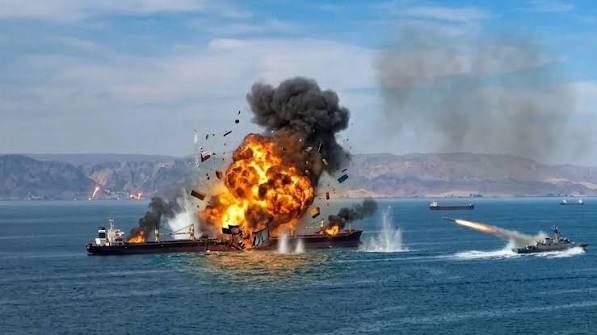
The Abu Dhabi National Oil Company (ADNOC) has reported that two of its tankers were struck by projectiles while transiting the Strait of Hormuz, resulting in the death of one mariner and injuries to several crew members. The incident marks another escalation in the security risks facing one of the world's busiest maritime energy corridors and highlights the growing vulnerability of commercial shipping during periods of regional conflict.
For chemical manufacturers, distributors, and procurement professionals, attacks on tankers carrying energy and petrochemical cargoes have implications that extend well beyond oil markets. The UAE is a major exporter of petrochemicals, industrial chemicals, fertilizers, and chemical feedstocks. Any disruption to tanker operations can increase freight costs, delay deliveries, tighten product availability, and raise marine insurance premiums across global supply chains.
Why ADNOC's Tankers Matter
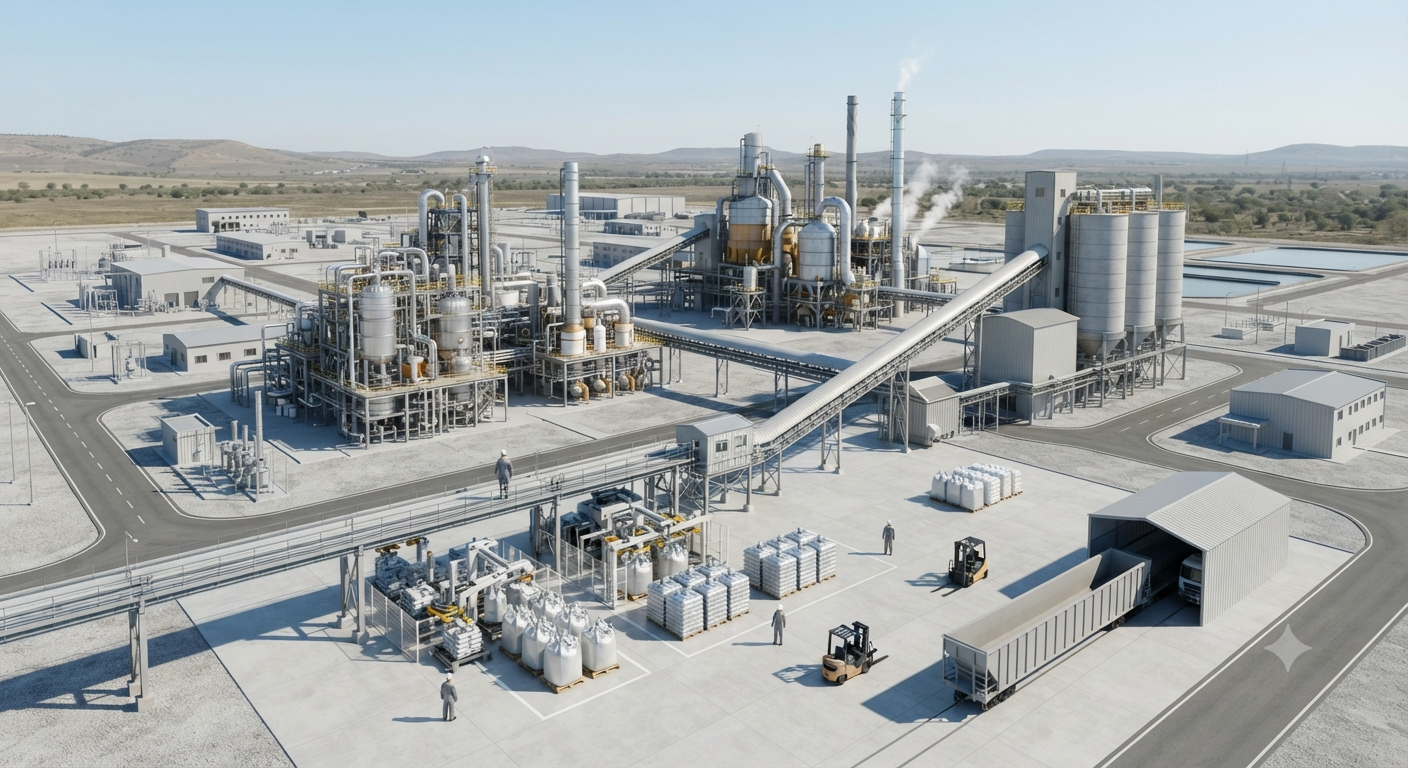
The UAE is a strategic supplier of petrochemicals and industrial chemical feedstocks used across multiple manufacturing industries.
Key products linked to UAE exports include:
Mono Ethylene Glycol (MEG)

Monoethylene glycol
Methanol
Ammonia
Urea
Caustic Soda
Polyethylene (PE)
Attacks on commercial tankers can disrupt export schedules, reduce shipping capacity, and create uncertainty for buyers relying on Gulf-origin chemical shipments.
Market Implications
The tanker attacks could contribute to:
Higher freight and marine insurance costs
Increased geopolitical risk premiums
Delays in chemical and petrochemical exports
Greater supply chain uncertainty
Higher commodity price volatility
Increased demand for alternative sourcing regions
Even isolated incidents involving commercial vessels can influence shipping decisions and procurement planning across international markets.

Procurement Considerations
Chemical procurement professionals should strengthen resilience by focusing on:
Multi-origin sourcing
Supplier diversification
Strategic inventory planning
Long-term procurement contracts
Freight and logistics monitoring
Geopolitical risk assessments
Maintaining flexible sourcing strategies and contingency logistics plans can help reduce exposure to shipping disruptions in high-risk regions.
Looking Ahead
The reported attacks on ADNOC tankers demonstrate that commercial shipping through the Strait of Hormuz remains exposed to significant geopolitical risks. While the extent of future disruptions will depend on regional security developments and shipping company responses, procurement teams should continue monitoring vessel movements, freight markets, and supplier performance.
Companies with diversified sourcing strategies and strong logistics partnerships will be better positioned to maintain supply continuity during periods of maritime instability.
Key Takeaways
Two ADNOC tankers were reportedly struck while transiting the Strait of Hormuz.
The incident highlights increasing risks to Gulf chemical and energy shipments.
Freight costs, insurance premiums, and export schedules may be affected.
Procurement teams should diversify sourcing and strengthen logistics planning.
Supply chain resilience remains essential during geopolitical disruptions.
Found this useful?