UK Marine Insurers Lead the Global Repricing of Hormuz Risk
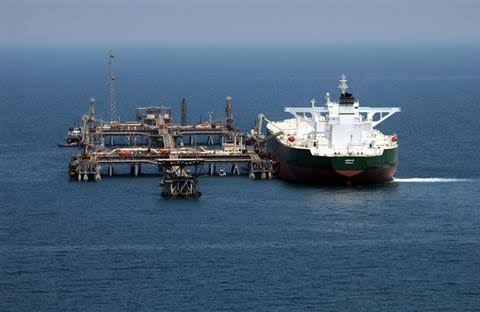
The United Kingdom's marine insurance market is once again at the center of global shipping risk as the Lloyd's Market Association (LMA) and other London-based insurers continue setting benchmark war-risk premiums for vessels transiting the Strait of Hormuz. With premiums reportedly reaching up to 10% of a vessel's value during periods of heightened tension, shipping costs for oil, petrochemicals, fertilizers, and industrial chemicals have risen significantly.
For chemical manufacturers, traders, and procurement professionals, higher marine insurance costs represent another layer of supply chain risk. Even when shipping routes remain open, increased insurance premiums can raise landed costs, reduce trade margins, and influence sourcing decisions across global chemical markets.
Why Marine Insurance Matters
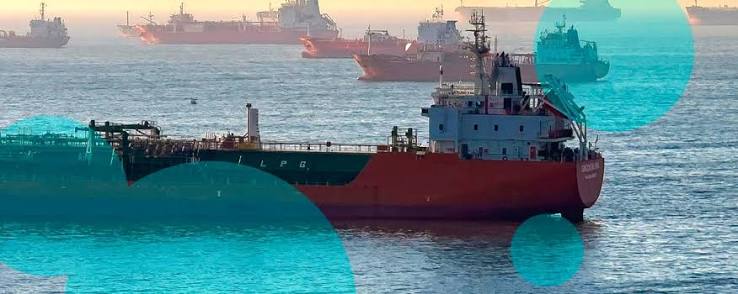
Marine insurance plays a critical role in facilitating international trade by protecting cargo owners, ship operators, and financial institutions against conflict-related risks.
Key products affected by higher Hormuz shipping costs include:
Methanol
Ammonia
Ammonia Anhydrous
Urea
Caustic Soda
Mono Ethylene Glycol (MEG)
Polyethylene (PE)
Because a significant share of global petrochemical and fertilizer exports passes through the Strait of Hormuz, changes in war-risk premiums can quickly affect international chemical pricing.
Market Implications
Rising marine insurance costs may contribute to:
Higher freight and logistics expenses
Increased landed costs for imported chemicals
Greater volatility in global chemical pricing
Pressure on fertilizer and petrochemical trade flows
Stronger demand for alternative shipping routes
Increased emphasis on regional sourcing strategies
Importers and exporters may also face longer contract negotiations as insurers and shipping companies reassess risk exposure.
Procurement Considerations
Procurement teams should strengthen supply chain resilience by:
Monitoring freight and marine insurance trends
Diversifying suppliers across different regions
Evaluating alternative shipping routes where feasible
Securing flexible supply agreements
Building strategic inventories for critical materials
Reviewing total landed cost rather than product price alone
Taking a comprehensive approach to procurement can help reduce the impact of shipping-related cost increases.
Looking Ahead
As long as geopolitical tensions persist around the Strait of Hormuz, elevated war-risk insurance premiums are likely to remain an important cost factor for global chemical and fertilizer supply chains. While insurers continuously reassess risks, buyers should expect ongoing volatility in freight costs and delivery timelines.
Companies that combine diversified sourcing, proactive logistics planning, and close monitoring of marine insurance developments will be better positioned to manage future supply chain disruptions.
Key Takeaways
UK marine insurers continue setting global benchmarks for Hormuz war-risk premiums.
Insurance costs for Hormuz transits have risen sharply during periods of geopolitical tension.
Higher premiums increase landed costs for chemicals, petrochemicals, and fertilizers.
Procurement teams should incorporate freight and insurance risks into sourcing strategies.
Supply chain diversification remains essential for managing geopolitical uncertainty.
Found this useful?