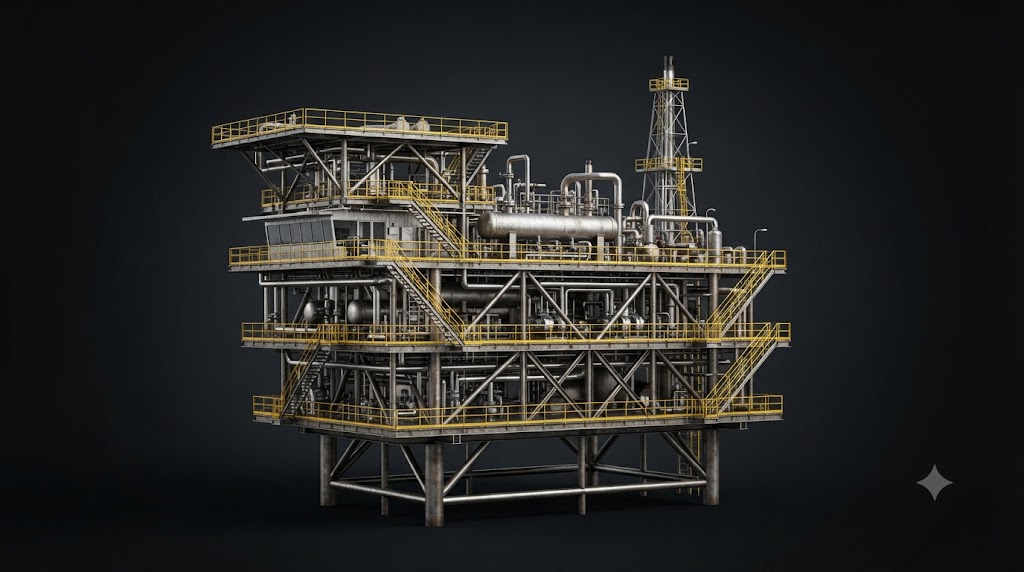
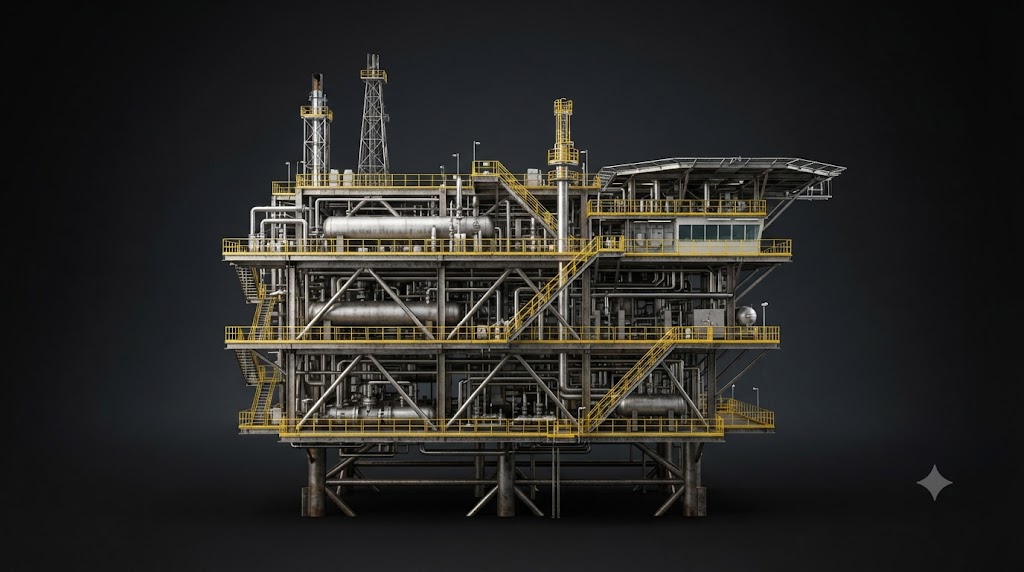
Abu Dhabi advances its energy strategy with the Umm Shaif Gas Cap project designed to bring new associated gas volumes into the emirate’s integrated supply network. This development supports both domestic petrochemical feedstock requirements and growing export ambitions across liquefied natural gas markets. The initiative reflects a broader Gulf pivot toward treating natural gas as a primary rather than secondary hydrocarbon resource.
Procurement managers in industrial materials and specialty chemicals must recognize this project as a major demand catalyst. Gas cap developments require specialized offshore platforms and processing trains distinct from conventional oil-focused infrastructure. Engineering firms executing this work will source vast quantities of corrosion-resistant alloys, pipeline coatings and water treatment chemicals over the next several years. Understanding these unique technical requirements helps suppliers position their offerings effectively during upcoming tender cycles.
Strategic Repositioning of Associated Gas Resources
Gulf producers historically treated associated gas as an unavoidable byproduct of crude oil extraction rather than a valuable commodity. Operators frequently flared excess volumes or reinjected them underground to maintain reservoir pressure when domestic demand remained limited. This approach wasted significant hydrocarbon value while generating unnecessary carbon emissions that attracted regulatory scrutiny.
Abu Dhabi now views associated gas capture as central to achieving energy self-sufficiency and economic diversification objectives. Monetizing these previously stranded reserves provides essential feedstock for expanding petrochemical complexes without diverting crude exports. Domestic power generation also benefits from cleaner-burning gas displacing liquid fuels in electricity production. This strategic repositioning ensures sustained capital expenditure across upstream and midstream sectors through the next decade.
The Umm Shaif field contains substantial associated gas reserves that were technically accessible but economically marginal under previous market conditions. Advances in separation technology and improved domestic pricing frameworks have unlocked commercial viability for these resources. Development timing aligns perfectly with rising regional demand for ethane, propane and methane derivatives. Early movers securing supply positions gain structural advantages as competition intensifies for allocated volumes.
Specialized Infrastructure Requirements for Gas Cap Developments
Gas cap extraction presents unique engineering challenges compared to conventional oil or non-associated gas production. Reservoir management must balance pressure maintenance for ongoing crude recovery with efficient gas withdrawal rates. Subsurface complexity demands specialized well completions and artificial lift systems optimized for multiphase flow dynamics. Surface facilities require dedicated separation trains capable of handling variable gas-to-oil ratios throughout field life.
Offshore platform designs differ significantly from standard oil production installations due to distinct process safety and equipment layout requirements. Gas compression modules occupy substantial deck space and impose heavy structural loads requiring reinforced jacket engineering. High-pressure piping specifications demand premium metallurgies resistant to sour service conditions and hydrogen-induced cracking. Fabrication yards must demonstrate proven competency in complex gas module construction to qualify for EPCIC contracts.
Processing trains at Umm Shaif will incorporate advanced dehydration, sweetening and fractionation technologies tailored to associated gas compositions. Mercury removal units protect downstream aluminum heat exchangers in LNG liquefaction plants from catastrophic failure. Nitrogen rejection systems ensure pipeline specification compliance when inert gas concentrations exceed threshold limits. Each unit operation introduces specific material and chemical requirements that procurement teams must map against supplier capabilities.
Material Demand Signals for Industrial Suppliers
Corrosion-resistant alloys represent critical spend categories for offshore gas infrastructure exposed to harsh marine and sour environments. Duplex stainless steels and nickel-based superalloys dominate specifications for subsea pipelines, risers and process vessels. Carbon steel structures require sophisticated coating systems providing decades-long protection against salt spray and cathodic disbondment. Steel mills and alloy processors should prepare bid responses aligned with project metallurgy requirements and delivery schedules.
Specialty chemicals form another essential procurement stream spanning construction, commissioning and operational phases. Pipeline operators rely heavily on monoethylene glycol for hydrate inhibition during subsea transport and storage. Water treatment programs prevent scaling, corrosion and microbiologically influenced corrosion in cooling systems and produced water handling. Biocides and oxygen scavengers protect asset integrity while ensuring environmental compliance for offshore discharge permits.
Petrochemical Feedstock Integration Opportunities
Captured associated gas from Umm Shaif feeds directly into Abu Dhabi’s integrated petrochemical value chain centered at Ruwais Industrial City. Ethane crackers produce ethylene for polyethylene, PVC and ethylene oxide derivative manufacturing within the same industrial zone. Propane dehydrogenation units supply propylene for polypropylene and acrylonitrile production supporting regional plastics converters. Methane serves dual roles as fuel gas and feedstock for methanol, ammonia and blue hydrogen synthesis pathways.
This vertical integration creates predictable long-term demand profiles for upstream gas supplies unlike volatile merchant markets. Petrochemical operators sign take-or-pay agreements guaranteeing minimum offtake volumes regardless of spot price fluctuations. Gas suppliers benefit from revenue certainty enabling confident capital investment decisions for field development projects. Buyers participating in this integrated ecosystem enjoy supply security advantages unavailable to standalone chemical producers relying on traded gas.
New gas volumes entering the network may enable expansion of existing derivative capacities currently constrained by feedstock availability. Specialty chemical producers using ethylene or propylene as raw materials should monitor announced capacity additions tied to Umm Shaif supply. Early engagement with ADNOC and Borouge commercial teams clarifies allocation priorities and qualification requirements for new customers. Positioning as a preferred downstream partner improves access to future growth opportunities within the integrated value chain.
Export Ambitions and Global Market Implications
Abu Dhabi pursues LNG export expansion alongside domestic feedstock development to diversify revenue streams and serve international markets. Associated gas volumes exceeding domestic petrochemical absorption capacity provide flexible feedstock for liquefaction trains at Das Island and future facilities. Long-term sale and purchase agreements with Asian and European buyers underpin final investment decisions for export infrastructure. Contractual commitments span twenty-year horizons matching asset depreciation schedules and debt repayment obligations.
Global gas buyers recognize Gulf associated gas as structurally lower-carbon intensity compared to conventional non-associated production or coal-bed methane sources. Flaring elimination and electrification initiatives further improve environmental credentials important for ESG-conscious offtakers. Premium pricing for certified low-carbon LNG cargoes enhances project economics beyond volumetric considerations alone. Suppliers supporting decarbonization efforts gain preferential vendor status during procurement evaluations.
Regional competitors including Qatar, Saudi Arabia and Oman pursue similar gas monetization strategies creating competitive dynamics for export market share. Differentiation increasingly hinges on reliability track records, contractual flexibility and sustainability performance rather than price alone. Abu Dhabi leverages Umm Shaif’s integrated model to demonstrate supply resilience through diversified domestic and export outlet options. Buyers evaluating long-term LNG partnerships should assess portfolio diversification benefits offered by associated gas-backed supply versus single-source conventional fields.
Supply Chain Localization and Vendor Qualification
ADNOC mandates substantial in-country value creation as a prerequisite for major contract awards including Umm Shaif development. Consortium partners must source locally manufactured goods and services wherever technically feasible to satisfy ICV scorecard requirements. International suppliers face pressure to establish UAE partnerships or manufacturing footprints to remain eligible for consideration. Joint ventures with Emirati entities unlock higher scoring tiers improving bid competitiveness during evaluation phases.
Vendor prequalification processes emphasize technical capability, financial stability and HSE performance alongside localization metrics. New entrants must navigate rigorous audit protocols demonstrating compliance with ADNOC standards across all operational dimensions. Approval timelines extend six to twelve months requiring proactive engagement well ahead of anticipated tender releases. Existing qualified vendors maintain advantages through established relationships and demonstrated performance history on prior projects.
Localization extends beyond assembly operations to include technology transfer, workforce Emiratization and R&D collaboration within UAE borders. Suppliers offering genuine knowledge sharing and skills development programs differentiate themselves from transactional local content providers. Strategic alliances formed today yield compounding returns across multiple future project cycles as ICV thresholds continue rising. Balancing commercial viability with regulatory compliance requires careful partner selection and relationship cultivation over extended timeframes.
What Procurement Teams Should Do Now
Review current product portfolios against anticipated Umm Shaif material specifications and volume forecasts across all project phases. Identify gaps where existing offerings fail to meet sour service, marine environment or ICV requirements. Initiate technical discussions with L&T consortium engineers and ADNOC representatives to understand precise performance criteria and approval pathways. Early involvement influences specification finalization toward compatible solutions before tenders issue.
Pursue necessary prequalifications and ICV certifications without delay to avoid missing critical bidding windows. Audit internal documentation ensuring full compliance with ADNOC vendor registration standards and audit expectations. Establish local representation or partnership agreements if operating purely internationally today to improve competitive positioning. Monitor official tender portals and industry networks for package release announcements aligned with EPCIC execution schedules. These proactive measures position organizations to capture value from Abu Dhabi’s accelerating gas monetization agenda.
Ready to source monoethylene glycol from verified global suppliers? Explore competitive offers on our platform today.