Uniper and Arcadia eFuels Agree a 40,000 t/y eSAF Offtake for Project Endor
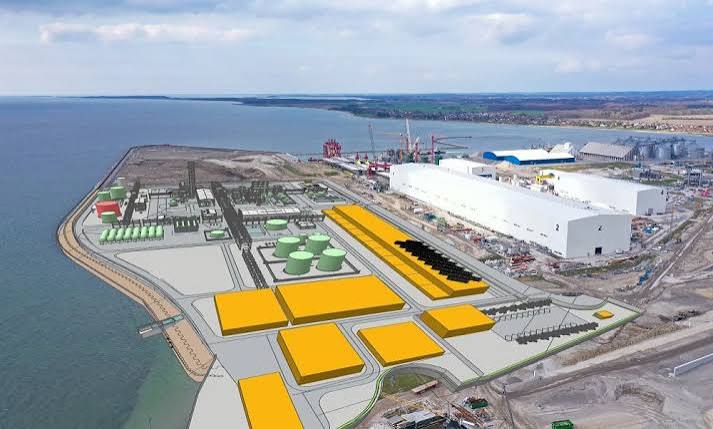
Uniper and Arcadia eFuels Agree a 40,000 t/y eSAF Offtake for Project Endor
Uniper and Arcadia eFuels have signed a legally binding long-term agreement for the supply of 40,000 tonnes of sustainable aviation fuel produced from renewable energy (eSAF) per year from Arcadia's planned Project Endor in Vordingborg, Denmark. The agreement, announced on September 23, 2026, is one of the largest announced eSAF offtake agreements in Europe to date.
Under the agreement, Uniper will purchase the fuel for more than ten years, with deliveries currently planned to begin in the early 2030s once Project Endor reaches commercial operation and agreed conditions are satisfied. The long-term commitment is intended to provide greater commercial certainty as Arcadia moves the project toward construction and financing.
What Is Project Endor?
Project Endor is a Power-to-Liquid eSAF production facility being developed by Arcadia eFuels in Vordingborg, Denmark. The project is designed to produce synthetic aviation fuel using renewable electricity, green hydrogen and captured carbon dioxide.
The planned facility is expected to produce up to 80,000 tonnes of eSAF annually, meaning the 40,000-tonne agreement with Uniper represents a substantial portion of the project's planned output.
The project is being developed to supply synthetic aviation fuel that can meet European sustainable aviation fuel requirements, including the framework established under the EU's ReFuelEU Aviation regulation.
A 40,000-Tonne Annual Offtake Agreement
Under the agreement, Uniper will purchase 40,000 metric tonnes of eSAF every year for more than a decade.
The contracted volume is equivalent to the fuel required for approximately 1,000 Boeing 787-9 flights between Düsseldorf and Abu Dhabi each year, according to Uniper.
For Arcadia eFuels, securing a long-term buyer provides a significant commercial milestone for Project Endor. Long-term offtake contracts can help project developers demonstrate future market demand and strengthen the commercial basis for financing and construction.
The agreement is legally binding, although actual deliveries remain subject to agreed conditions precedent and the successful start of commercial operations at the facility.
How Will the eSAF Be Produced?
Project Endor will use a Power-to-Liquid process to produce synthetic aviation fuel.
The planned production pathway combines three key inputs:
Renewable electricity
Green hydrogen produced using renewable energy
Captured carbon dioxide
The hydrogen and captured carbon are processed to produce synthetic hydrocarbons that can ultimately be converted into aviation fuel.
This production pathway is different from conventional bio-based SAF, which generally relies on biological feedstocks such as used cooking oil, animal fats or other sustainable biomass sources.
Up to 98% Lower Lifecycle Emissions
According to Uniper and Arcadia eFuels, the eSAF produced by Project Endor can achieve up to 98% lower lifecycle greenhouse-gas emissions compared with conventional jet fuel. The actual emissions reduction depends on the electricity, hydrogen and carbon sources used in production.
The use of renewable electricity and green hydrogen is particularly important because the carbon intensity of eSAF depends heavily on how the energy inputs are produced.
Synthetic aviation fuels are therefore being explored as a way to reduce aviation's lifecycle emissions while maintaining compatibility with existing aircraft and fuel infrastructure.
Why eSAF Matters for Aviation
Aviation is considered one of the harder sectors to decarbonize because long-distance aircraft require energy-dense fuels and battery-electric propulsion is currently unsuitable for many commercial aviation applications.
SAF provides an alternative pathway because it can be used as a replacement or blend component for conventional aviation fuel, depending on the specific fuel pathway and applicable standards.
Within the SAF market, eSAF is gaining attention because it can be produced without relying primarily on biological feedstocks. Instead, it uses renewable electricity, hydrogen and carbon as the fundamental inputs.
The development of projects such as Endor could therefore expand the range of sustainable fuel technologies available to European aviation.
Supporting Europe's SAF Market
The agreement comes as Europe is increasing regulatory requirements for sustainable aviation fuel. Under ReFuelEU Aviation, the minimum SAF share increases over time, creating a growing requirement for sustainable fuel supply.
The European Commission's framework also includes specific requirements for synthetic aviation fuels. This creates a regulatory incentive for the development of eSAF production capacity alongside conventional SAF facilities.
The Uniper-Arcadia agreement brings together future demand from an energy company with planned European production capacity, supporting the development of a market for synthetic aviation fuel.
Importance of Long-Term Offtake Contracts
One of the major challenges facing emerging eSAF projects is securing financing for large-scale production facilities. These projects require substantial investment in renewable electricity, hydrogen production, carbon capture, fuel synthesis and supporting infrastructure.
Long-term offtake agreements can provide developers with greater visibility over future revenues.
For Project Endor, the agreement with Uniper provides a committed customer for 40,000 tonnes per year. Arcadia has described the agreement as a major commercial milestone that can help accelerate the project's development.
For Uniper, the contract provides access to future eSAF volumes and supports the company's expansion into low-carbon energy products.
Project Development and Investment
Project Endor has already reached several development milestones. Arcadia eFuels received environmental approval for the facility in 2025 and signed a grant agreement under the EU Innovation Fund in March 2026.
The new offtake agreement adds another important element to the project's commercial structure.
The facility has not yet entered commercial operation, meaning the agreement should not be interpreted as current eSAF production. Deliveries are planned for the early 2030s, subject to the project's continued development and completion of the conditions specified in the contract.
Implications for European Chemical and Energy Industries
The development of eSAF projects creates demand across several industrial value chains. Renewable power developers, electrolyser manufacturers, hydrogen producers, carbon capture companies, engineering firms and chemical-process technology suppliers can all play roles in building synthetic fuel facilities.
The production of eSAF also illustrates the growing connection between the renewable energy, hydrogen, carbon-management and aviation sectors.
For chemical companies, the expansion of Power-to-Liquid fuels could create additional markets for catalysts, process technologies, gas separation equipment and carbon-management solutions.
Looking Ahead
The Uniper and Arcadia eFuels agreement represents a significant commercial step for Project Endor and the emerging European eSAF market. Uniper has committed to purchasing 40,000 tonnes of eSAF annually for more than ten years, with deliveries expected from the early 2030s.
Project Endor is planned to produce up to 80,000 tonnes of eSAF per year using renewable electricity, green hydrogen and captured CO₂. The long-term offtake agreement provides a substantial portion of that planned production with a committed buyer.
The next stages will depend on financing, construction and the successful commissioning of the facility. If Project Endor reaches commercial operation as planned, it could become an important source of synthetic aviation fuel for the European market and provide additional experience in scaling Power-to-Liquid fuel production.
As European SAF requirements become more stringent, securing both production capacity and long-term customers will remain central to the development of the continent's eSAF supply chain.
Furfural
Found this useful?