Univar's Distribution Expansion Could Streamline Pharma-Adjacent Polyurethane Sourcing
The global pharmaceutical supply chain depends on far more than active pharmaceutical ingredients (APIs) and excipients. A wide range of specialty materials—including polyurethane-based products—play a critical role in medical packaging, laboratory equipment, manufacturing infrastructure, and healthcare devices. As distributors expand their product portfolios and logistics capabilities, they have the potential to improve access to these essential materials. Univar's distribution expansion reflects this broader industry trend, with possible implications for pharmaceutical-adjacent polyurethane sourcing.
By strengthening its distribution network and specialty chemical offerings, Univar could help manufacturers improve procurement efficiency, increase supply chain resilience, and respond more quickly to changing market demands.
The Strategic Role of Chemical Distribution
Chemical distributors serve as a vital link between manufacturers and end users. Beyond moving products from suppliers to customers, they provide technical expertise, inventory management, regulatory support, and localized logistics that help streamline complex supply chains.
For industries with strict quality and compliance requirements, reliable distribution partners offer several advantages:
Broader product availability
Faster order fulfillment
Technical application support
Regulatory documentation assistance
Inventory optimization
Regional warehousing and logistics
As pharmaceutical manufacturing grows increasingly global, efficient distribution networks are becoming a competitive advantage.
Polyurethane's Expanding Role Around Pharmaceutical Manufacturing
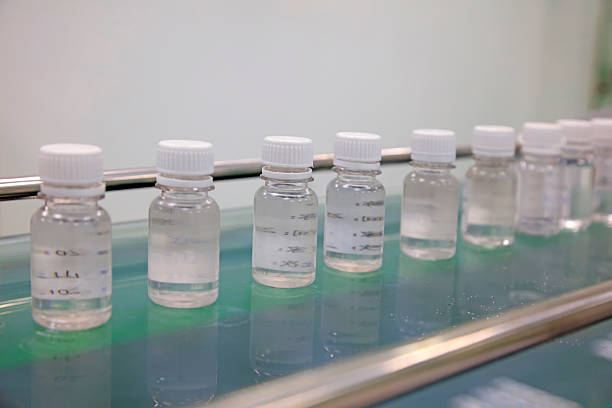
Although polyurethane is not typically a pharmaceutical ingredient, it is widely used in products and infrastructure that support pharmaceutical production, storage, and distribution.
Key applications include:
Medical device components
Cleanroom flooring and insulation
Laboratory furniture and equipment
Pharmaceutical cold-chain packaging
Protective transport containers
Manufacturing seals and gaskets
Equipment housings and cushioning materials
These applications require materials that offer durability, chemical resistance, thermal insulation, and long service life.
Distribution Expansion Supports Supply Chain Efficiency
Expanding distribution capabilities can improve how manufacturers source polyurethane materials and related specialty chemicals.
Potential benefits include:
Greater product availability across regions
Reduced lead times
Simplified procurement from multiple suppliers
Improved inventory planning
More responsive customer service
Enhanced supply chain visibility
For pharmaceutical-adjacent manufacturers operating under tight production schedules, these efficiencies can help reduce operational disruptions.
Meeting the Needs of Highly Regulated Industries
Healthcare and pharmaceutical manufacturing demand high standards for quality, traceability, and regulatory compliance. Distributors play an important role in ensuring that customers receive materials supported by appropriate documentation and quality controls.
Value-added services may include:
Product traceability
Technical data and safety documentation
Regulatory compliance support
Supplier qualification assistance
Batch consistency information
Quality assurance coordination
These capabilities help manufacturers meet industry requirements while reducing administrative complexity.
Supporting Cold-Chain and Medical Packaging Growth
Demand for temperature-controlled pharmaceutical logistics continues to grow as biologics, vaccines, and specialty medicines become more common.
Polyurethane materials contribute significantly to cold-chain performance through applications such as:
Insulated shipping containers
Temperature-controlled transport systems
Protective cushioning
Thermal insulation panels
Reusable pharmaceutical packaging
An expanded distribution network can improve access to these materials while supporting healthcare supply chains that require reliable temperature management.
Sustainability Is Influencing Material Selection
Environmental considerations are becoming increasingly important throughout the chemical and healthcare industries. Customers are seeking suppliers that offer more sustainable products and responsible sourcing practices.
Distribution partners can support sustainability by providing:
Bio-based polyurethane alternatives
Products with recycled content
Lower-carbon material options
Waste reduction initiatives
Optimized transportation and warehousing
Guidance on sustainable material selection
As environmental regulations evolve, access to a wider range of sustainable materials will become increasingly valuable.
Digital Distribution Enhances Procurement
Modern chemical distribution extends beyond physical logistics. Digital technologies are transforming procurement through online ordering platforms, inventory visibility, demand forecasting, and technical support tools.
These capabilities help customers:
Monitor inventory in real time
Improve purchasing decisions
Reduce excess stock
Accelerate order processing
Strengthen supply chain planning
Digital integration also enables closer collaboration between suppliers, distributors, and manufacturers.
Market Outlook
Several long-term trends are expected to support continued demand for polyurethane materials across pharmaceutical-adjacent industries:
Growth in pharmaceutical manufacturing
Expansion of biologics and advanced therapies
Increasing medical device production
Rising investment in laboratory infrastructure
Expansion of cold-chain logistics
Greater emphasis on supply chain resilience
Continued adoption of sustainable materials
These structural drivers create opportunities for distributors capable of delivering both product breadth and value-added technical services.
By expanding its distribution capabilities, strengthening supplier partnerships, and enhancing logistics services, Univar can help manufacturers simplify procurement, improve supply chain resilience, and respond more effectively to evolving customer requirements.
As pharmaceutical production becomes more advanced and globally interconnected, distributors that combine technical expertise, regulatory support, and robust logistics will play an increasingly important role in ensuring that specialty materials reach manufacturers efficiently and reliably. In this environment, distribution is no longer just about moving products—it is becoming a strategic enabler of innovation, operational excellence, and long-term supply chain resilience.
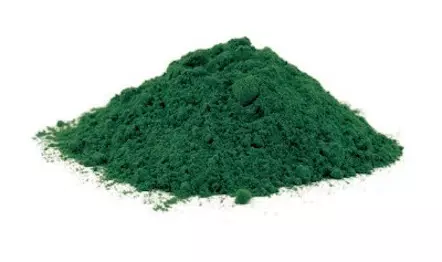
Basic Chromium Sulphate
Found this useful?