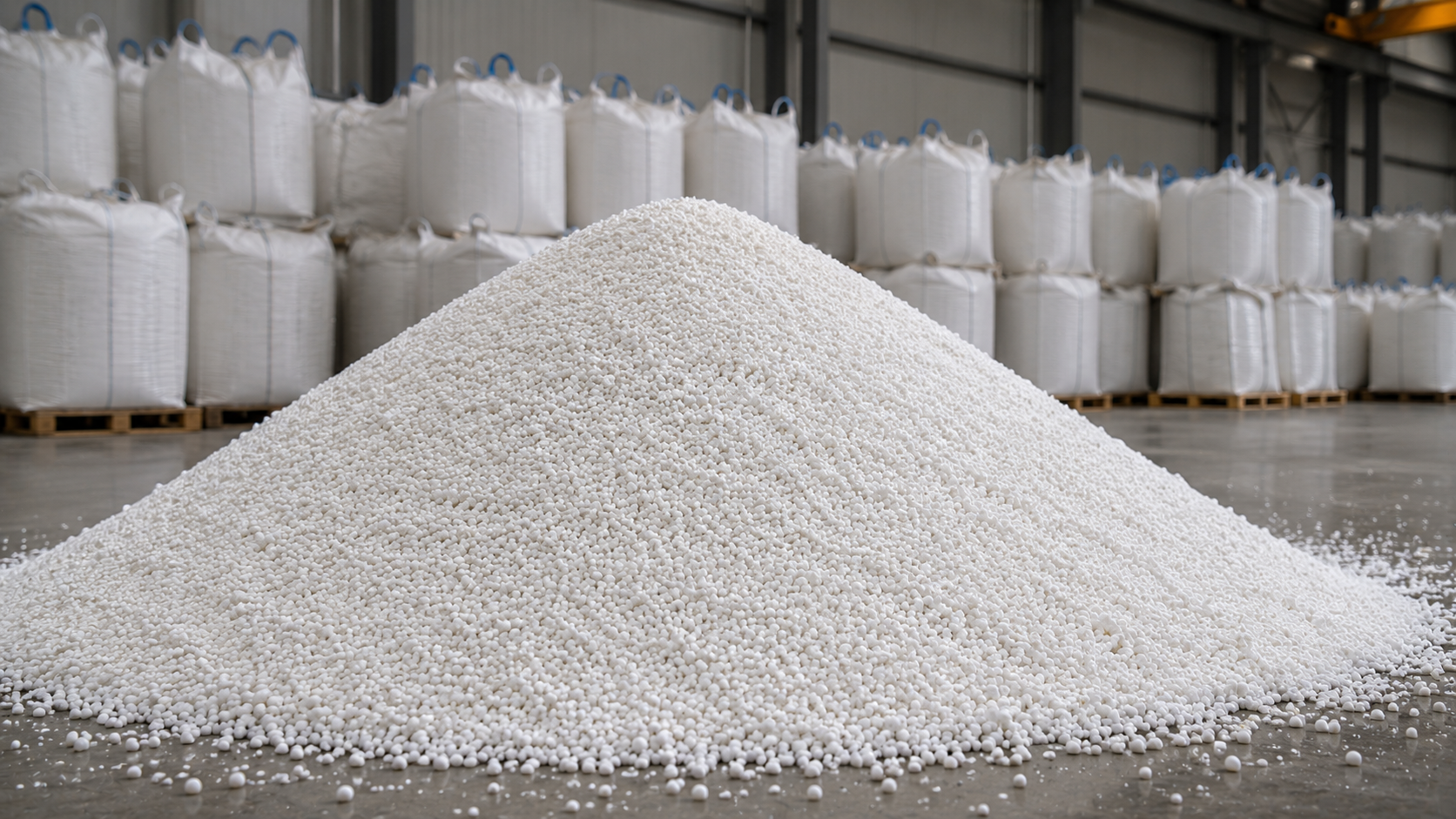
Urea Finds a Floor: Reading the First Signs of Stabilization in Petrochemical-Derived Fertilizer Markets
After several weeks of downward movement, the urea market is beginning to show the first meaningful signs of price stabilization. Brazilian importers have started returning to international markets ahead of the Safrinha planting season, creating fresh buying activity that could establish a temporary pricing floor. While the market has not entered a strong recovery, procurement teams and fertilizer traders now face a different environment than they did only a few weeks ago. Instead of waiting for continuous declines, buyers must evaluate whether current prices represent an attractive purchasing window before seasonal demand strengthens further.
Why the Urea Market Is Showing Early Stability
Urea remains one of the world's most widely traded nitrogen fertilizers and plays a central role in global agricultural production. Because of its broad use and large trading volumes, even modest shifts in purchasing activity can influence international pricing.
Recent market behavior suggests that selling pressure has started to ease. Suppliers appear less willing to reduce offers aggressively while importers, particularly in Brazil, have begun placing new orders to secure product before seasonal demand increases.
This combination of improving demand and firmer seller expectations often marks the beginning of a market stabilization phase rather than an immediate price rebound.
Brazil's Safrinha Season Is Changing Buyer Behavior
Brazil represents one of the largest import markets for urea, making its purchasing decisions highly influential across global fertilizer trade.
The approach of the Safrinha crop season has encouraged importers to return after delaying purchases during the recent price decline. Many buyers now prefer securing supply instead of risking tighter availability later in the season.
Several factors explain this renewed activity:
Buyers have observed that recent price declines appear to be slowing, reducing the incentive to delay purchases further.
Seasonal planting schedules require timely fertilizer deliveries, limiting the ability to postpone procurement indefinitely.
Importers aim to reduce logistical risks by booking cargoes before shipping demand increases.
This renewed buying interest does not guarantee a major price rally, but it provides stronger support than the market experienced earlier.
Supply Conditions Continue to Influence Global Pricing
Although demand has improved, supply remains an important factor behind overall market direction.
Major exporting regions continue operating with substantial production capacity, allowing international buyers to access multiple supply sources. However, producers also monitor production economics closely and may reduce aggressive discounting if margins become compressed.
Key variables affecting current supply include:
Natural gas costs, which remain one of the largest production expenses for many urea manufacturers.
Export availability from major producing countries.
Freight costs that influence delivered prices across importing regions.
Inventory levels held by traders, distributors and agricultural suppliers.
Balanced supply combined with improving seasonal demand often creates conditions where prices stabilize before finding a new trading range.
What Current Pricing Means for Procurement Teams
For procurement professionals, the present market requires careful timing rather than aggressive speculation.
Companies that delayed purchases during the recent decline may now have an opportunity to secure competitive pricing before demand strengthens further. Waiting for significantly lower prices carries greater uncertainty if seasonal buying continues to increase.
Purchasing decisions should consider several practical factors:
Existing inventory coverage and warehouse capacity.
Supplier reliability and delivery performance.
Shipping schedules and expected transit times.
Contract flexibility for future purchases.
A disciplined procurement strategy often delivers greater value than attempting to identify the exact lowest market price.

International Trade Flows Remain Closely Connected
The global urea market responds quickly to changes in regional demand because cargoes frequently move between continents based on pricing opportunities.
When Brazilian imports increase, exporters often redirect available shipments toward South America. This movement can influence product availability for buyers in other importing regions, particularly if several countries begin purchasing simultaneously.
International traders therefore monitor not only domestic agricultural demand but also shipping activity, vessel availability and export commitments from major producing nations.
Factors Buyers Should Monitor Over the Coming Months
Current stabilization represents an encouraging signal, but several developments could still influence market direction.
Procurement teams should continue watching:
Agricultural demand across major importing countries.
Feedstock costs, especially natural gas prices.
Weather conditions affecting planting schedules.
Port congestion and vessel availability.
Government trade policies that could influence fertilizer imports or exports.
No single factor determines urea pricing. Instead, the market reflects the combined effect of production costs, seasonal demand, logistics and international trade flows.
How Traders Can Respond to a Stabilizing Market
Periods of stabilization often reward disciplined purchasing instead of reactive buying.
Rather than focusing exclusively on daily price movements, experienced traders evaluate total procurement costs, delivery certainty and long term supplier relationships.
Businesses may benefit from:
Diversifying supplier portfolios to improve supply security.
Monitoring freight markets alongside product prices.
Negotiating flexible shipment windows where possible.
Reviewing inventory requirements against expected seasonal demand.
These practices help reduce exposure to sudden market changes while maintaining operational continuity.
Looking Ahead for Global Urea Buyers
The current market does not yet indicate the beginning of a sustained price increase, but it does suggest that the prolonged period of continuous declines may be ending. Brazilian demand ahead of the Safrinha season has introduced fresh momentum that could support prices in the near term.
For buyers, this environment calls for balanced decision making rather than excessive caution or aggressive purchasing. Monitoring seasonal demand, production economics and international trade flows will remain essential for securing competitive contracts.
Ready to source urea from verified global suppliers? Explore competitive offers on our platform today.
Urea (Granular) - Egypt
Found this useful?