A sharp movement in urea futures has become one of the most important cost signals for agricultural and food ingredient procurement in 2026. According to Forbes, citing IMF documentation, urea futures surged roughly 40% after the Iran conflict began in February 2026, creating a significant increase in agricultural input costs that will influence food prices during the next planting cycle.
The renewed geopolitical uncertainty following the announcement that the ceasefire had ended, combined with Brent crude returning to around $79 per barrel, has added fresh pressure to fertilizer markets. For procurement teams purchasing crop-derived ingredients, this is no longer just an energy market story. It directly affects production costs across global agriculture.
Why Urea Matters Beyond Fertilizer Markets
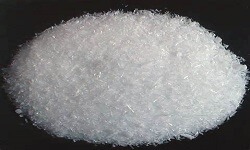
Urea remains the world's most widely used nitrogen fertilizer. Farmers depend on it to improve crop yields across cereals, oilseeds, sugar crops and many other agricultural commodities.
When urea prices increase sharply, growers face higher production costs. Those additional expenses eventually move through the agricultural supply chain before reaching processors, ingredient manufacturers and industrial buyers.
The effect becomes especially important because fertilizer expenses influence planting decisions, yield expectations and overall production economics across multiple growing seasons.
The IMF's Documented Cost Transmission Mechanism
The IMF's documented observation explains an important economic relationship that procurement professionals often monitor closely. Rising fertilizer costs rarely stay within the agricultural sector alone.
Instead, they gradually influence:
Corn production costs, which affect starches, glucose syrups and ethanol feedstocks. These products serve multiple food and industrial manufacturing sectors.
Soybean cultivation expenses, increasing costs for soy protein, soybean oil and various oleochemical products used worldwide.
Sugar crop economics, influencing sweeteners, fermentation products and downstream food additives.
Vegetable oil production, particularly where fertilizer represents a meaningful share of farm operating expenses.
This gradual transmission explains why fertilizer markets often serve as leading indicators for future food ingredient pricing.
Geopolitical Risk Continues to Shape Fertilizer Trade
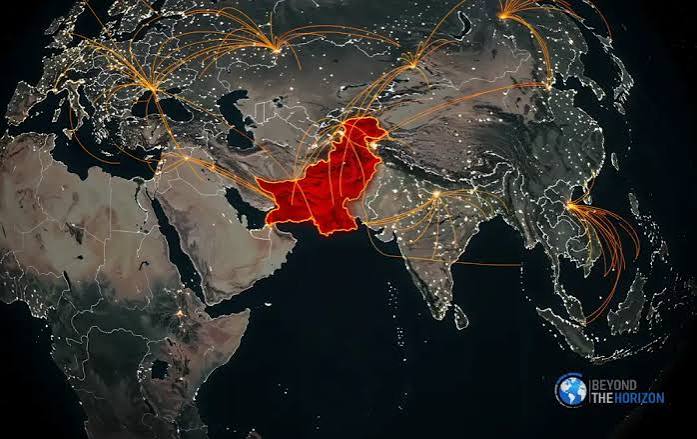
The Gulf region occupies an important position within global fertilizer production and export networks. Any disruption affecting regional manufacturing, shipping routes or export logistics immediately attracts attention from international buyers.
Several factors currently contribute to market uncertainty.
Higher energy prices increase ammonia production costs because natural gas remains the primary feedstock for nitrogen fertilizer manufacturing.
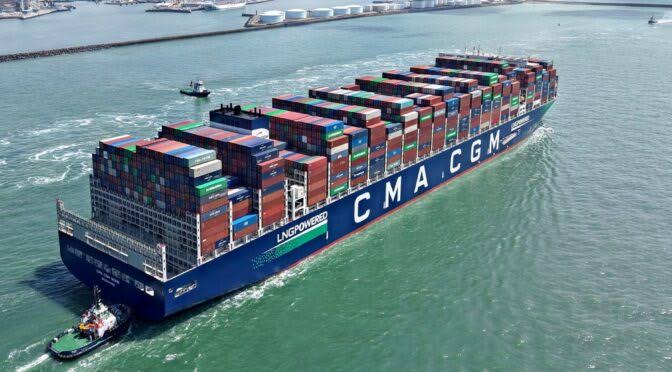
Shipping risks around major export routes may increase transportation costs and delivery times for international fertilizer cargoes.
Buyers often build inventories during uncertain periods, creating additional demand that places upward pressure on prices.
Export availability can tighten when producers prioritize domestic supply or adjust operating schedules.
Together, these conditions create a market environment where price volatility can persist even without physical supply interruptions.
Which Food Ingredients Face the Greatest Exposure?
Not every ingredient responds equally to fertilizer inflation. Products with strong agricultural dependence generally experience the fastest cost transmission.
Procurement teams should monitor categories such as:
Corn starch and glucose products because corn cultivation depends heavily on nitrogen fertilizer application.
Citric acid, where corn-based fermentation feedstocks represent a major production input.
Soy protein ingredients that reflect soybean production economics.
Palm-based oleochemicals, where plantation operating costs may gradually incorporate higher fertilizer expenses.
Sugar-derived ingredients including fermentation intermediates and specialty sweeteners.
Although manufacturers may absorb part of the increased cost initially, sustained fertilizer inflation typically reaches downstream buyers over time.
Regional Procurement Implications
Different regions may experience varying levels of exposure depending on local fertilizer availability and agricultural production patterns.
Countries relying heavily on imported nitrogen fertilizers could experience faster cost increases. Meanwhile, agricultural exporters may adjust commodity pricing as production costs rise throughout the growing season.
Importers should also recognize that fertilizer inflation rarely affects only one crop. Multiple agricultural commodities often experience simultaneous upward cost pressure, reducing opportunities to substitute one raw material for another.
Global Supply Chains Face Multiple Cost Pressures
The fertilizer market does not operate independently. It interacts with energy markets, shipping conditions, currency movements and seasonal agricultural demand.
Current procurement risks include:
Continued geopolitical uncertainty affecting Gulf exports.
Elevated freight costs if shipping routes become more complicated.
Energy market volatility increasing ammonia manufacturing expenses.
Seasonal purchasing activity that concentrates demand before planting periods.
When these variables move together, procurement planning becomes significantly more complex than during stable market conditions.
How Procurement Teams Can Respond
Reactive purchasing becomes increasingly expensive during volatile fertilizer markets. Procurement organizations benefit from monitoring upstream agricultural indicators before ingredient prices fully adjust.
Several practical actions deserve consideration.
Strengthen supplier communication to understand how fertilizer costs may affect future quotations and production schedules.
Review contract structures where longer pricing periods may reduce exposure to short-term market swings.
Diversify supplier networks across multiple regions whenever practical to reduce dependence on a single origin.
Monitor fertilizer, energy and freight markets together because they increasingly move as interconnected cost drivers.
Early visibility allows procurement teams to prepare budgets before downstream ingredient prices fully reflect agricultural inflation.
Market Outlook for 2027
The current market suggests that fertilizer costs could continue influencing agricultural economics throughout the 2026 to 2027 crop cycle.
If urea prices remain elevated, growers will likely continue operating under higher production costs. Those conditions may support firmer pricing across many crop-derived ingredients well into 2027, particularly where fertilizer represents a significant share of total cultivation expenses.
Much will depend on geopolitical developments, energy markets, fertilizer production rates and global planting decisions. Nevertheless, procurement professionals should expect fertilizer pricing to remain an important leading indicator for food ingredient sourcing throughout the coming year.
What Buyers Should Do Now
The documented surge in urea futures illustrates how geopolitical events can rapidly influence agricultural input costs before eventually reaching global food ingredient markets. Procurement professionals who monitor fertilizer trends alongside commodity and freight markets will place themselves in a stronger position to manage purchasing risk.
Rather than viewing urea solely as an agricultural commodity, buyers should recognize its role as an early signal for broader cost movements across starches, sweeteners, proteins, vegetable oils and many other crop-derived products. Building flexible sourcing strategies today may help reduce exposure as the 2026 to 2027 agricultural cycle unfolds.
Ready to source urea from verified global suppliers? Explore competitive offers on our platform today.