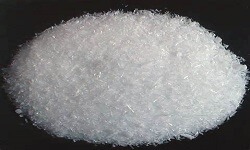
Urea prices are moving higher again, sending another signal that agricultural input costs are becoming more expensive. After rising 13.92% over the past month to $421.50 per tonne, the nitrogen fertilizer market remains below year ago levels but has regained enough momentum to attract the attention of procurement teams across agriculture and food manufacturing.
For buyers of food ingredients, urea is rarely purchased directly. Its importance lies much earlier in the supply chain. As the world's most widely used nitrogen fertilizer, urea influences the production cost of crops that later become starches, sweeteners, vegetable oils, plant proteins and many fermentation based ingredients. When fertilizer costs remain elevated, the financial impact gradually spreads throughout the agricultural value chain.
Why Urea Matters Beyond Agriculture
Urea contains approximately 46% nitrogen, making it one of the most concentrated and cost effective nitrogen fertilizers available. Farmers apply it across a broad range of crops because it delivers essential nutrients that support plant growth, improve yields and maintain crop quality.
Its influence extends well beyond farming. Many industries depend on crops grown with nitrogen fertilizers, including:
Food ingredient manufacturers producing corn starch, glucose syrup and maltodextrin from maize.
Vegetable oil processors relying on soybean, sunflower and canola harvests.
Sugar producers processing sugarcane and sugar beet into refined sugar and industrial sweeteners.
Fermentation companies using corn and other carbohydrates to manufacture citric acid, amino acids and food additives.
Because of these links, fertilizer markets often provide an early indication of future agricultural production costs.
The Recent Price Recovery Explained
The latest increase does not necessarily indicate a return to previous market highs. Instead, it reflects a market that has shifted from weakness toward gradual recovery.
Several factors can contribute to higher urea prices, including:
Increased seasonal fertilizer demand as major agricultural regions prepare for planting or crop maintenance.
Natural gas price movements, since gas remains the largest production cost for most urea manufacturers.
Export restrictions or supply disruptions from major producing countries.
Freight costs and shipping availability affecting international fertilizer trade.
Each of these variables influences supply availability and pricing across regional markets, making urea one of the most closely watched agricultural commodities.
How Higher Fertilizer Costs Reach Food Ingredients
Higher fertilizer prices rarely appear immediately in supermarket products or ingredient contracts. Instead, the impact develops through several stages.
Farmers first experience higher production expenses. Depending on crop economics, they may absorb the additional costs, reduce fertilizer application rates or adjust planting decisions. Crop processors then purchase raw agricultural materials at prices that reflect changing production costs.
Eventually, manufacturers of food ingredients may experience higher costs for agricultural feedstocks such as:
Corn used to manufacture starches, glucose syrup and fermentation substrates.
Wheat processed into food ingredients and specialty starches.
Sugar crops supplying sweetener production.
Oilseed crops used for vegetable oils, lecithin and protein ingredients.
While fertilizer represents only one component of total production expenses, sustained increases can gradually influence ingredient pricing throughout the supply chain.
Looking Ahead for Food Ingredient Buyers
The recent rise in urea prices serves as an early reminder that agricultural input markets remain dynamic. Although $421.50 per tonne is still below year ago levels, continued upward momentum could increase production costs across multiple crop sectors if the trend persists.
Procurement teams should avoid reacting to a single month's movement in isolation. Instead, they should evaluate fertilizer prices alongside energy markets, weather forecasts, planting progress and crop production estimates to understand whether higher costs are likely to become embedded in agricultural supply chains.
Building stronger market intelligence can also improve purchasing decisions. Companies that regularly monitor fertilizer trends often gain additional time to review sourcing strategies, negotiate contracts and assess potential impacts on ingredient budgets before cost increases reach downstream markets.
Long term procurement planning should consider several priorities:
Diversify supplier relationships where possible to reduce dependence on a single sourcing region.
Track fertilizer and commodity markets together rather than viewing them separately.
Review inventory strategies when sustained input cost inflation appears likely.
Maintain regular communication with suppliers regarding crop conditions and raw material availability.
As global agriculture continues to respond to changing energy costs, weather patterns and trade flows, urea will remain one of the earliest indicators of future crop production expenses. Monitoring its direction helps buyers anticipate changes before they become visible in food ingredient pricing.