Urea's 14% Monthly Bounce Ranks Among July's Sharpest Commodity Moves
The global fertilizer market experienced one of its strongest monthly price movements during July 2026, with urea rising 13.92% over the previous month. The rally places urea among the sharpest-performing commodities during the period, drawing renewed attention from agricultural suppliers, fertilizer traders and procurement professionals worldwide.
While the monthly gain is significant, it tells only part of the story. Current prices remain below those recorded a year earlier, illustrating that the recent recovery has not fully erased the longer-term decline experienced across fertilizer markets.
For buyers, distributors and industrial procurement teams, this creates an increasingly important question: Does July's rebound represent the beginning of a sustained recovery, or is it a temporary correction within a still-soft fertilizer market?
Understanding that distinction is essential for purchasing decisions during the second half of 2026.
Why July's Rally Stands Out
Commodity markets rarely move nearly 14% within a single month without attracting significant market attention.
Compared with many industrial raw materials, urea's July performance ranks among the strongest short-term commodity rebounds.
Several factors commonly contribute to sharp fertilizer price movements:
Supply availability changes.
Seasonal agricultural demand.
Export restrictions.
Feedstock price movements.
Freight market volatility.
Inventory adjustments.
Although individual factors vary by region, rapid price appreciation often reflects a combination of tightening supply expectations and improving buying activity.
For procurement professionals, monitoring these shifts becomes increasingly important as fertilizer purchasing cycles accelerate.
Monthly Strength Versus Annual Reality
Despite the impressive monthly increase, the broader pricing picture remains more balanced.
Current urea prices continue trading below year-ago levels.
This creates two very different narratives.
The first highlights strong short-term momentum.
The second reminds buyers that longer-term pricing remains comparatively moderate.
This distinction matters because procurement strategies should not rely solely on monthly performance.
Instead, purchasing decisions benefit from evaluating multiple time horizons simultaneously.
Short-term rallies can influence immediate buying behaviour, while annual comparisons provide broader perspective regarding long-term pricing trends.
What Could Be Driving the Recovery?
Commodity recoveries rarely depend upon a single catalyst.
Market participants continue monitoring several important variables.
Potential contributors include:
Stronger seasonal fertilizer demand.
Improved agricultural purchasing.
Production adjustments.
Export activity.
Natural gas price movements.
Shipping conditions.
Changes across any combination of these factors can quickly influence fertilizer pricing.
Markets frequently react to changing expectations before physical shortages become visible.
Consequently, buyer sentiment often strengthens well ahead of measurable inventory tightening.
Why Procurement Teams Should Pay Attention
For agricultural distributors and industrial buyers, urea remains one of the world's most important nitrogen fertilizers.
Changes in pricing influence:
Even relatively short-lived rallies may encourage buyers to secure additional volumes earlier than originally planned.
Conversely, buyers expecting temporary corrections may continue delaying purchases.
Understanding the drivers behind July's rebound therefore becomes just as important as measuring the size of the price increase itself.
Momentum Alone Does Not Confirm a New Trend
Financial markets frequently distinguish between momentum and structural recovery.
Strong monthly performance demonstrates improving market sentiment.
However, sustained recovery generally requires:
Consistent demand growth.
Stable production.
Balanced inventories.
Healthy agricultural consumption.
Reliable export activity.
Predictable logistics.
Without these supporting fundamentals, sharp price rallies may prove temporary.
Procurement teams should therefore avoid interpreting one month's movement as confirmation of a longer-term market trend.
Agricultural Demand Continues Driving Market Direction
Unlike many industrial chemicals, fertilizer demand follows seasonal agricultural cycles.
Crop planting schedules, weather conditions and farmer purchasing decisions all influence market activity.
When agricultural demand strengthens, fertilizer prices often respond quickly.
However, regional differences remain important.
Demand improvements in one market may not fully offset weaker buying elsewhere.
Procurement teams should therefore evaluate both global and regional demand indicators before adjusting purchasing strategies.
Energy Costs Still Influence Fertilizer Economics
Natural gas remains one of the largest production cost components for nitrogen fertilizers.
Consequently, changes in energy markets continue influencing urea manufacturing economics.
Stable energy costs generally support predictable production.
Conversely, rising feedstock costs may encourage producers to increase selling prices in order to preserve margins.
Although July's rally cannot be attributed solely to energy markets, production economics remain an important component of long-term pricing expectations.
Inventory Levels Will Shape Future Price Direction
Current inventory behaviour deserves careful monitoring.
If distributors rebuild inventories because agricultural demand genuinely improves, pricing may remain relatively firm.
If purchases primarily reflect concerns about future supply availability, buying momentum could weaken once those concerns ease.
Procurement professionals should therefore monitor:
These indicators frequently provide earlier evidence of future price direction than historical market performance.
What Buyers Should Watch Next
Rather than focusing exclusively on July's price increase, procurement teams should monitor broader market developments.
Key indicators include:
Nitrogen fertilizer demand.
Natural gas markets.
Agricultural commodity prices.
Global export activity.
Production capacity utilisation.
Inventory rebuilding.
Shipping costs.
Evaluating these indicators together provides a more balanced understanding of future market risks than monthly pricing alone.
Final Takeaway
Urea's 13.92% monthly increase ranks among July 2026's sharpest commodity fertilizer movements, demonstrating how rapidly agricultural input markets can respond to changing supply and demand expectations.
At the same time, prices remain below year-ago levels, reminding procurement professionals that longer-term market conditions remain considerably different from short-term momentum.
The coming months will determine whether July's rally evolves into a sustained recovery supported by stronger agricultural demand and healthier market fundamentals, or whether it represents a temporary correction within a broader period of relatively moderate fertilizer pricing.
For fertilizer buyers, distributors and procurement teams, combining monthly price trends with inventory data, production economics and agricultural demand indicators will remain the most effective strategy for managing purchasing decisions during the remainder of 2026.
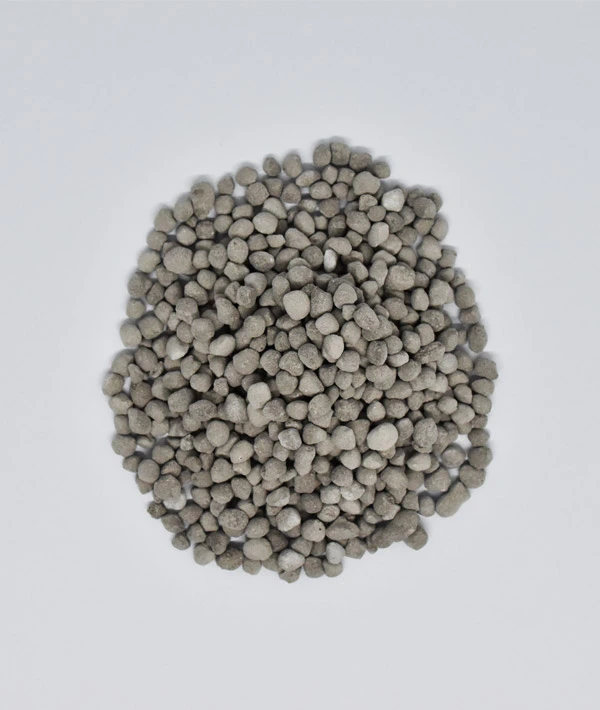
Ready to source Granular Urea 46% Nitrogen from verified global suppliers? Explore competitive offers on our platform today.