US Chemical Industrial Deaths Renew Debate Over Process Safety and Supply Chain Risk
Thirty-six chemical industrial deaths recorded across an 11-month period have intensified discussion around chemical process safety in the United States. At the same time, proposals to close the US Chemical Safety and Hazard Investigation Board (CSB) and reduce federal safety programmes have added a new policy dimension to an already challenging industrial environment.
For chemical traders, procurement managers and manufacturers, workplace safety is not simply a compliance issue. Major industrial incidents can interrupt production, tighten supply, delay exports and increase operating costs throughout global chemical supply chains. The latest developments therefore deserve attention far beyond the United States.
Why Chemical Process Safety Matters to Global Trade
Chemical manufacturing operates with hazardous materials, high temperatures, pressurised systems and complex production processes. Maintaining safe operations protects workers while also ensuring stable manufacturing performance.
When serious incidents occur, businesses often experience:
Temporary or extended production shutdowns that reduce available supply.
Regulatory investigations that delay facility restarts and create uncertainty for buyers.
Higher insurance, maintenance and compliance costs that eventually influence product pricing.
Increased customer scrutiny regarding supplier qualifications and operational standards.
For international buyers, these disruptions can affect shipment schedules even when the affected facility produces only one intermediate chemical.
Understanding the Current Safety Debate
The latest discussion follows two related developments.
The first is the report that the United States recorded 36 chemical industrial deaths during an 11-month period, according to the Chemical Safety and Hazard Investigation Board.
The second concerns proposals to reduce or eliminate the CSB while rolling back certain federal safety initiatives. Supporters of restructuring argue that government agencies should operate more efficiently. Opponents believe independent investigations remain essential for identifying root causes and preventing future industrial accidents.
Regardless of policy outcomes, the discussion has renewed industry attention on process safety management and operational risk.
How Industrial Accidents Affect Chemical Supply Chains
A serious accident rarely impacts only one production site. Modern chemical manufacturing relies on interconnected supply networks spanning raw materials, intermediates and finished products.
Several consequences commonly follow major industrial incidents:
Production capacity may decline while damaged equipment undergoes inspection and repair.
Downstream manufacturers may struggle to secure key feedstocks on schedule.
Logistics providers often adjust transport plans around affected facilities.
Buyers may increase inventories as a precaution, creating temporary demand spikes.
Even chemicals produced outside the affected region can experience pricing pressure if global buyers begin diversifying supply sources.
Procurement Teams Should Watch More Than Price
Chemical procurement increasingly involves evaluating supplier resilience alongside commercial competitiveness.
Many procurement departments now review:
Safety performance records before approving new suppliers.
Business continuity planning for critical manufacturing sites.
Geographic diversification to reduce dependence on a single production region.
Emergency response capabilities and operational certifications.
These factors help minimise disruption when unexpected events occur.
Regulatory Changes Could Shape Future Investment
Regulatory certainty influences long-term investment decisions across the chemical industry.
Companies planning facility expansions often consider:
Expected compliance requirements.
Inspection frameworks.
Environmental obligations.
Worker protection standards.
Long-term operating costs.
Changes to safety oversight may alter how companies allocate capital toward maintenance, automation and risk management technologies.
Many manufacturers have already invested heavily in digital monitoring systems, predictive maintenance and automated shutdown systems that improve operational safety while reducing unplanned downtime.
Why International Buyers Should Pay Attention
Although the current debate centres on US policy, international chemical markets remain highly interconnected.
The United States exports a wide range of petrochemicals, specialty chemicals and industrial intermediates. Any prolonged disruption affecting major manufacturing clusters has the potential to influence:
Global availability of selected chemicals.
Export lead times.
Freight scheduling.
Contract negotiations.
Inventory planning among international buyers.
Companies sourcing from multiple countries generally recover more quickly when regional disruptions occur.
Safety Is Becoming a Competitive Advantage
Industrial safety increasingly supports commercial competitiveness rather than simply satisfying regulatory requirements.
Suppliers with strong operational records often benefit from:
Greater customer confidence.
Lower operational interruptions.
More predictable delivery schedules.
Improved relationships with insurers and financial institutions.
Stronger reputations within international markets.
As procurement teams evaluate suppliers, operational reliability frequently becomes as important as product quality and pricing.
Building Resilient Chemical Procurement Strategies
Current market conditions reinforce the importance of balanced sourcing strategies.
Procurement professionals can strengthen resilience by:
Diversifying approved suppliers across different regions.
Monitoring developments affecting major production hubs.
Reviewing supplier safety and operational performance regularly.
Maintaining appropriate inventory levels for strategic materials.
Developing contingency sourcing plans before disruptions occur.
These practices reduce dependence on any single manufacturing facility and improve business continuity during periods of uncertainty.
What Buyers Should Do Now
The report of 36 chemical industrial deaths has once again highlighted the close relationship between industrial safety and supply chain stability. Whether or not policy changes move forward, the discussion reminds buyers that operational resilience begins long before products leave the factory.
For procurement teams, monitoring safety developments alongside market fundamentals provides a more complete picture of supplier reliability. Companies that combine competitive sourcing with careful supplier evaluation will be better positioned to manage future disruptions in an increasingly interconnected chemical market.
Ready to source chemical products from verified global suppliers? Explore competitive offers on our platform today.
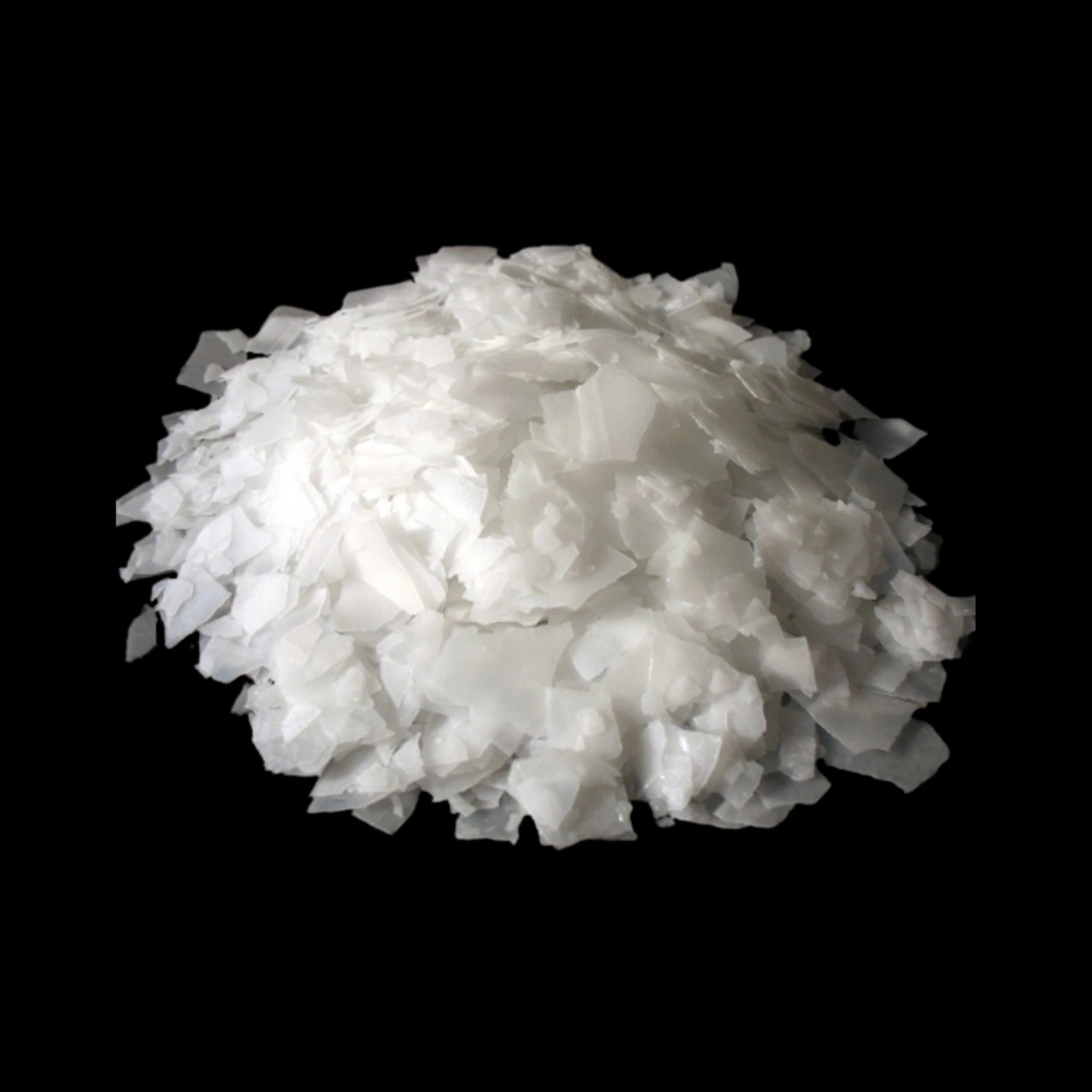
Caustic Soda Flakes
Found this useful?