US Hormuz Trade Policy: What Toll-Free Navigation Means for Chemical Trade | ChemicalsBlog.com
Policy & Regulations
schedule4 Min Read
US Formal Hormuz Conditions and Their Trade Policy Implications
terminal
prodchem
Jul 13, 2026
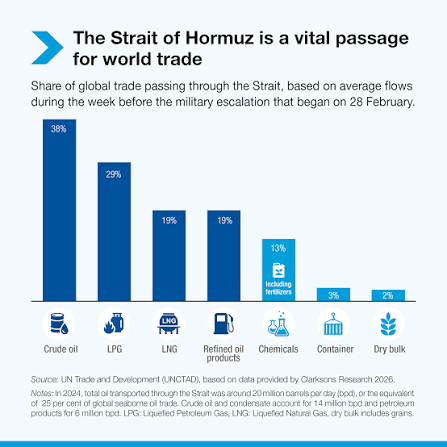
The Strait of Hormuz remains one of the world's most strategically important maritime chokepoints, handling a significant share of global crude oil, LNG, and chemical exports. Any policy change affecting navigation through the strait has direct implications for international trade, freight costs, and global supply chains.
On July 10, 2026, senior US administration officials outlined the country's formal conditions for resolving the Hormuz crisis. Among these conditions, one proposal has attracted particular attention from the international trade community—the demand that the Strait of Hormuz remain a toll-free international waterway. If incorporated into a future agreement, this position could influence maritime trade policy and reduce long-term uncertainty for industries that rely heavily on Gulf exports, including the chemical sector.
For chemical manufacturers, distributors, and procurement professionals, understanding the potential trade policy implications is essential for long-term sourcing and logistics planning.
Why the Strait of Hormuz Matters
The Strait of Hormuz connects the Persian Gulf with global shipping routes and serves as one of the world's busiest energy and chemical export corridors.
Every year, millions of tonnes of products move through this route, including:
Petrochemicals
Base chemicals
Fertilizers
Polymers
Industrial gases
Crude oil
Liquefied Natural Gas (LNG)
Any disruption or policy change affecting the strait can influence freight rates, insurance costs, shipping schedules, and global commodity pricing.
The Strait of Hormuz is also a major export route for globally traded chemicals including Methanol, Mono Ethylene Glycol (MEG), Polyethylene (HDPE, LDPE, and LLDPE), Polypropylene (PP), Caustic Soda, Ammonia, and Urea. Reliable access through this corridor supports stable supply chains for manufacturers and buyers across Asia, Europe, and other international markets.
One of the most significant policy positions announced by US officials is that the Strait of Hormuz should remain an international waterway where commercial vessels can transit without paying tolls.
If such a principle becomes part of a future international agreement, it could:
Preserve freedom of navigation
Prevent additional shipping charges
Support predictable international trade
Reduce uncertainty for exporters and importers
Strengthen confidence in global supply chains
Although negotiations continue, the proposal highlights the growing connection between geopolitics and international trade policy.
Potential Impact on the Chemical Industry
Chemical companies depend heavily on predictable shipping costs.
Additional transit charges would affect:
Import costs
Export competitiveness
Raw material pricing
Long-term procurement contracts
Inventory planning
Maintaining toll-free access would help companies manage transportation expenses more effectively and improve long-term budgeting.
Implications for Procurement Teams
Procurement professionals should continue monitoring policy developments because shipping regulations increasingly influence sourcing decisions.
Areas to watch include:
International shipping agreements
Maritime security developments
Freight market trends
Marine insurance costs
Regional trade policies
Alternative logistics routes
Organizations with diversified sourcing strategies are generally better prepared for policy-driven market changes.
Looking Ahead
While discussions surrounding the future of the Strait of Hormuz continue, one message is clear: trade policy has become an important component of supply chain strategy. Decisions made by governments regarding international waterways can directly influence logistics costs, supplier competitiveness, and procurement planning across the chemical industry.
Businesses that closely monitor regulatory developments, diversify sourcing options, and maintain flexible logistics strategies will be better positioned to manage future geopolitical and trade-related uncertainties.
Key Takeaways
The Strait of Hormuz remains one of the world's most important chemical trade corridors.
The US has proposed maintaining toll-free international navigation through the strait.
Shipping policy can directly influence chemical transportation costs.
Procurement teams should monitor geopolitical and maritime policy developments.