US Gulf Coast Ethane Advantage Continues to Anchor Petrochemical Deal Interest
Global petrochemical markets constantly seek structural cost advantages to navigate volatile feedstock environments. The US Gulf Coast ethane advantage continues to anchor significant deal interest among international buyers and investors.
Recent supply disruptions across alternative production hubs have amplified the value of low cost feedstock access. Procurement managers recognize that facilities utilizing abundant domestic ethane maintain superior margin protection during market shocks.
This structural benefit sustains strong merger activity alongside long term supply agreements in the region. Buyers prioritize these advantaged assets to secure stable pricing and reliable volumes.
Market analysts project this competitive edge will persist as global capacity expansions face delays. The region offers a rare combination of infrastructure maturity and feedstock affordability.
This unique position attracts continuous capital investment from global chemical sponsors.
Understanding the Feedstock Cost Differential
Ethane cracking yields high ethylene outputs with minimal heavy byproducts. Producers in this region benefit from abundant shale gas extraction which keeps feedstock prices structurally lower than international benchmarks.
This cost differential widens significantly during periods of crude oil volatility. When global naphtha prices spike due to geopolitical tensions or supply disruptions, ethane based producers maintain stable operating margins.
Buyers negotiating long term contracts value this margin stability. Suppliers with lower variable costs can offer more competitive floor prices without sacrificing their own financial viability.
Near Term Pricing Benefits After Supply Disruptions
Recent industry outlooks highlight how regional supply shocks create immediate pricing premiums for advantaged producers. When unexpected outages occur in Asia or Europe, global buyers scramble to secure alternative volumes.
US Gulf Coast facilities quickly absorb this displaced demand due to their high operating rates and export capabilities. This sudden volume surge allows these producers to capture near term pricing benefits while their international competitors struggle with feedstock constraints.
The resulting cash flow generation makes these assets highly attractive for investment. Deal interest remains robust as financial sponsors seek exposure to this reliable margin expansion.
Infrastructure and Export Capabilities
Producing cheap chemicals only matters if the market can reach global customers. The region boasts extensive pipeline networks and deep water port terminals engineered specifically for liquid and gas exports.
These logistical assets reduce the delivered cost to international buyers. Procurement teams in Europe and Asia factor these lower freight costs into their total landed cost calculations.
Continuous investments in export terminal expansions further solidify this competitive moat. New dock facilities and storage tanks enable producers to handle larger vessel classes and reduce shipping bottlenecks.
Strategic Sourcing for Global Procurement Teams
Buyers must adapt their sourcing strategies to maximize the benefits of this regional advantage. Relying solely on local suppliers exposes procurement budgets to regional feedstock spikes and logistical failures.
Diversifying supply chains to include Gulf Coast exporters provides a natural hedge against global volatility. This geographic diversification ensures continuous material flow even when specific trade lanes experience disruptions.
Procurement organizations should actively map their supplier networks to identify overreliance on high cost production regions. Shifting incremental volume requirements toward advantaged producers creates a more resilient and cost effective supply base.
Key Factors Sustaining Deal Interest
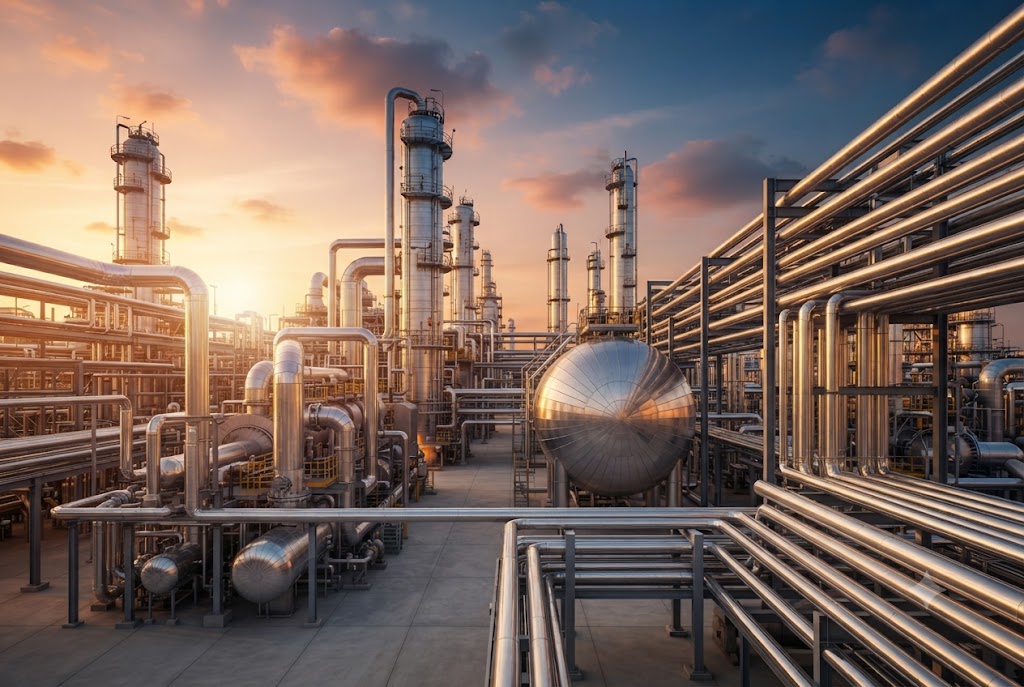
Abundant domestic shale gas extraction keeps regional feedstock prices structurally lower than international benchmarks.
Extensive pipeline networks and deep water port terminals reduce the delivered cost to international buyers significantly.
High operating rates allow regional facilities to quickly absorb displaced global demand during unexpected supply outages.
Continuous investments in export terminal expansions enable producers to handle larger vessel classes and reduce shipping bottlenecks.
Evaluating Regional Supply Chain Resilience
Supply chain resilience remains a top priority for chemical buyers navigating global disruptions. The US Gulf Coast benefits from a highly integrated domestic logistics network that minimizes transit vulnerabilities.
Producers utilize extensive inland pipeline systems to move feedstock directly from shale basins to cracking facilities. This direct connection eliminates the need for intermediate storage and reduces handling risks.
Buyers value this streamlined logistics model because it ensures consistent plant operating rates. High utilization levels translate directly into reliable contract fulfillment for international customers.
The Role of Export Terminal Expansions
Infrastructure investments continually expand the export capacity of the region. Developers are adding new deep water docks and specialized storage tanks to handle growing global demand.
These expansion projects allow producers to load larger vessel classes and reduce overall freight costs. Lower shipping expenses make regional chemicals even more competitive in distant markets like Asia and Latin America.
Procurement teams should monitor these terminal development timelines closely. Securing allocation on newly commissioned docks provides a distinct logistical advantage during peak shipping seasons.
Navigating Regulatory and Environmental Compliance
Environmental regulations increasingly influence investment decisions and operational costs in the petrochemical sector. Regional producers benefit from a stable regulatory framework that provides long term certainty for capital deployment.
Clear permitting processes allow facilities to execute expansion projects without facing unexpected legal delays. This regulatory predictability reduces project risk and lowers the overall cost of capital for new investments.
Buyers partnering with compliant suppliers mitigate their own scope three emissions risks. Sourcing from modern and highly efficient facilities helps procurement teams achieve their corporate sustainability targets.
Comparing Ethane and Naphtha Margin Volatility
Feedstock selection fundamentally dictates the volatility profile of a petrochemical producer. Facilities relying on global naphtha experience severe margin compression when crude oil prices spike unexpectedly.
In contrast, domestic ethane prices remain largely detached from global crude oil market fluctuations. This structural decoupling provides a natural hedge that stabilizes producer earnings across various economic cycles.
Financial analysts heavily favor this earnings stability when valuing regional assets. The resulting premium valuations further validate the strategic importance of the regional feedstock advantage.
Evaluating Supplier Financial Health and Deal Activity
High deal interest signals strong underlying asset quality. When private equity firms and strategic buyers actively acquire regional facilities, it validates the long term viability of the ethane advantage.
Procurement professionals should monitor this merger and acquisition activity. A supplier that receives backing from well capitalized sponsors typically invests heavily in plant reliability, safety and operational upgrades.
This financial stability translates directly into supply security for the buyer. Healthy suppliers do not defer critical maintenance and can weather temporary market downturns without declaring force majeure.
What Buyers Should Do Now
Procurement leaders need to immediately review their current supplier portfolios for exposure to high cost cracking facilities. Shifting incremental volume requirements toward ethane advantaged producers will structurally lower overall material costs.
Teams should also initiate discussions with regional exporters regarding multi year supply agreements. Locking in capacity now prevents future allocation shortages when global demand recovers and export terminals reach maximum utilization.
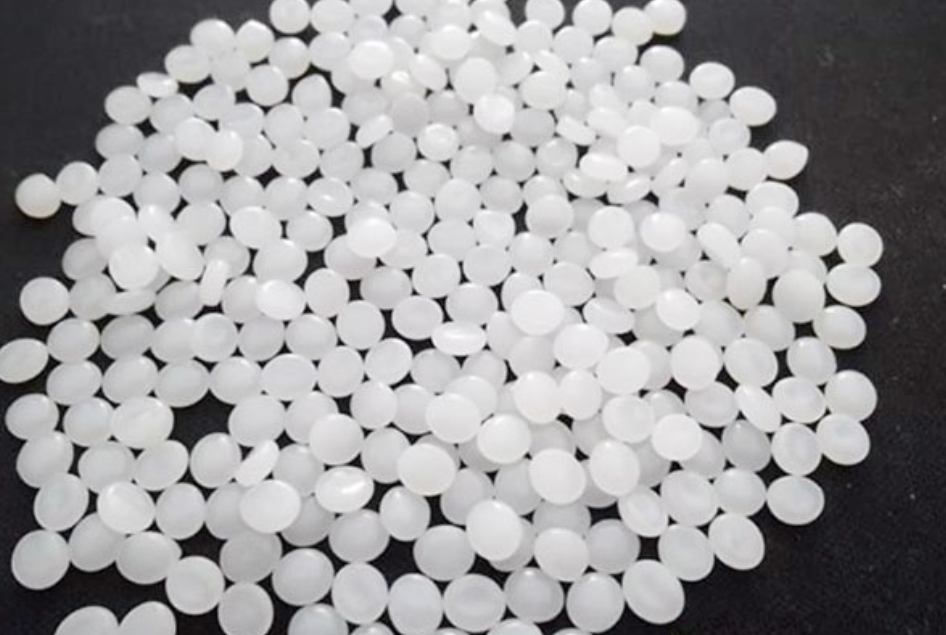
Ready to source High Density Polyethylene from verified global suppliers? Explore competitive offers on our platform today.
High Density Polyethylene (HDPE)
Found this useful?