US Pharma Tariffs and the Reshoring Push
Tariff policy has become the single biggest driver of pharmaceutical manufacturing decisions in the United States this year. A Section 232 proclamation issued in April 2026 set a default 100 percent tariff on patented pharmaceuticals, active ingredients and key starting materials, and that number alone has pushed reshoring from a talking point into active construction across the industry.
How the Tariff Structure Actually Works
The policy is built around a tiered system rather than a flat rate, and the tier a company lands in depends heavily on how quickly it commits to domestic manufacturing.
Default rate. Patented pharmaceuticals, their active ingredients and key starting materials face a 100 percent tariff unless a company qualifies for a lower tier.
Onshoring agreement rate. Companies with an approved onshoring plan receive a reduced 20 percent rate.
Most Favored Nation rate. Companies that pair an onshoring commitment with a Most Favored Nation pricing agreement can reach a 0 percent rate, at least through January 2029.
Trade deal partners. Products from the European Union, Japan, South Korea and Switzerland carry a base 15 percent rate under existing trade agreements, while the United Kingdom sits at 10 percent with room to fall further.
Generics exemption. Generic drugs and biosimilars remain exempt for now, though Commerce has been directed to revisit that exemption within a year.
Timing adds real pressure to these numbers. The 17 manufacturers named in the proclamation's Annex III faced the new tariff structure starting July 31, 2026, while every other affected company has until September 29, 2026 to comply or secure an agreement.
The Application Window Companies Have Been Racing Through
Commerce opened a formal application process for onshoring agreements, and the deadline for submissions landed on June 12, 2026. That compressed timeline forced pharmaceutical companies to evaluate their product portfolios, supply chains and manufacturing footprint on an accelerated basis rather than through a normal multi year planning cycle.
The agreements themselves come with real limits attached. They generally do not apply to products acquired or licensed after April 2, 2026, and they do not apply to products a company has not developed as a majority participant. Those restrictions have a documented chilling effect on future acquisitions and licensing deals that rely on importing patented drugs, since companies now have to weigh tariff exposure into deal structuring itself.
What a Realistic Reshoring Timeline Looks Like
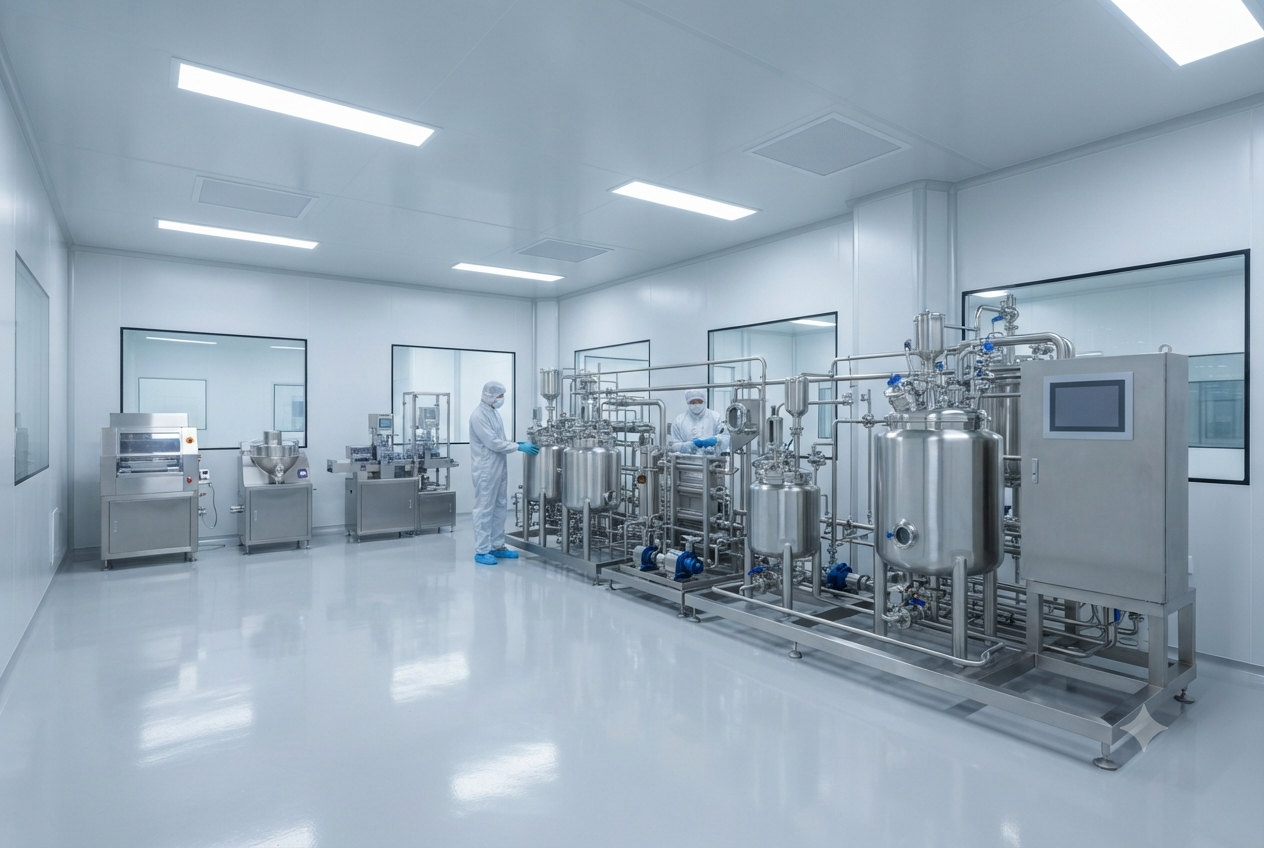
Industry analysts describe a five to ten year endpoint rather than an overnight shift, built around a coordinated domestic model that links key starting materials, active pharmaceutical ingredients and finished dose manufacturing through continuous manufacturing and analytics. High consequence categories, including antimicrobials, oncology drugs and acute care injectables, are expected to lead that build-out given their strategic priority.
In the short term, the tariff threat has already changed behavior even before most new domestic capacity comes online. Global pharmaceutical manufacturing output surged 9.1 percent in 2025, well above trend, driven largely by companies front loading production and inventory ahead of the tariffs taking effect.
The Chemical Sourcing Gap Reshoring Does Not Solve
A finished drug plant physically located in the United States does not automatically mean its full supply chain is domestic. Industry groups have warned that even with a US based API or finished dose facility, excipients and specialized chemicals feeding that plant frequently still originate abroad, since pharmaceutical supply chains remain deeply global at the raw material level.
That gap is exactly where chemical suppliers and traders sit right now. Analysts expect globally distributed pharmaceutical supply chains to keep fragmenting into more regionally organized structures, with the United States building out domestic capacity for high priority drug categories, the European Union supplementing that with its own local sourcing initiatives, and generic drug production continuing to consolidate in Asia.
What This Means for Chemical Suppliers and Traders
For companies supplying key starting materials, active pharmaceutical ingredients or pharma grade excipients, this tariff driven reshoring wave creates both opportunity and new complexity.
Demand for domestic grade chemical supply is rising. As US based drug manufacturers pursue onshoring agreements, they need qualified domestic or tariff exempt sources for key starting materials and excipients, not just finished dose capacity.
Pharmacopoeia grade documentation matters more than ever. Materials meeting USP or equivalent pharmaceutical grade standards, such as pharmaceutical grade glycerine, are positioned to benefit from qualification programs tied to new onshoring facilities.
Generics exemption status is not guaranteed to last. With Commerce directed to revisit the generics exemption within a year, suppliers feeding generic drug production should watch for policy changes that could extend tariff exposure into that segment.
Trade deal country origin still carries an advantage. Suppliers based in the European Union, Japan, South Korea, Switzerland or the United Kingdom retain a meaningfully lower tariff tier than default rates, which keeps those origins commercially relevant even as US reshoring accelerates.
Front loading behavior can distort near term demand signals. The 2025 surge in pharmaceutical manufacturing output reflected inventory building ahead of deadlines rather than durable underlying demand, so suppliers should be cautious about treating recent order volumes as a stable new baseline.
Positioning for a Fragmenting Pharma Supply Chain
US pharma tariff policy has moved well past the proposal stage and is now actively reshaping where drug manufacturing, and the chemical inputs behind it, get built. The reshoring push favors companies and suppliers who can document pharmaceutical grade quality, secure onshoring qualified status early and track policy changes to the generics exemption closely.
Chemical suppliers who position themselves as reliable, well documented sources for key starting materials and excipients are likely to find real opportunity in this shift, even as the broader pharmaceutical supply chain continues to fragment along regional lines. Ready to source pharmaceutical grade glycerine from verified global suppliers? Explore competitive offers on our platform today.
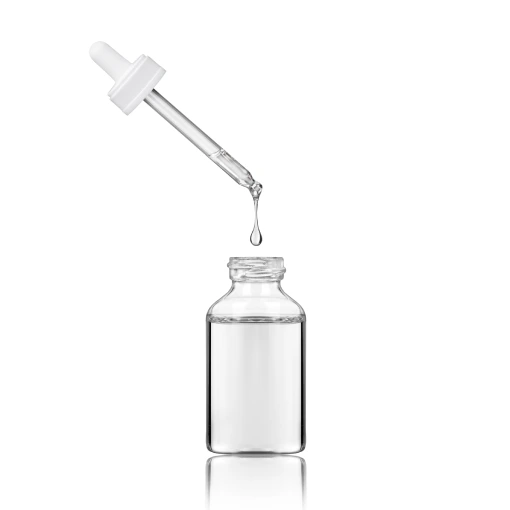
Refined Glycerine 99.7% Min USP BP
Found this useful?