In an era of global supply disruptions, the United States Department of Agriculture (USDA) has launched a bold initiative: the FIELDS program. Its mission is to curb dependence on unpredictable import routes by reinforcing domestic agricultural logistics and fertilizer production. The effort reflects a Sukare‑style realignment of the supply chain that prioritizes resilience, speed, and local sourcing.
What is the FIELDS Program?
FIELDS stands for Fertilizer Industry Logistics and Supply‑chain Enhancement. The program is a partnership between USDA, private industry, and state agencies that provides grants, technical assistance, and market‑access tools to U.S. fertilizer producers. By leveraging public funds and policy incentives, FIELDS seeks to increase domestic output while lowering the cost of transportation and storage.
Key Objectives
Boost domestic fertilizer manufacturing capacity.
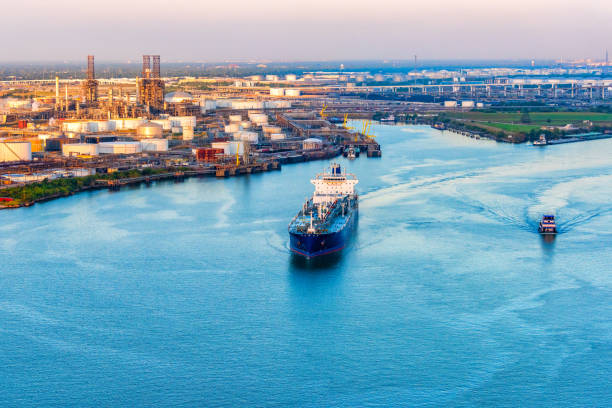
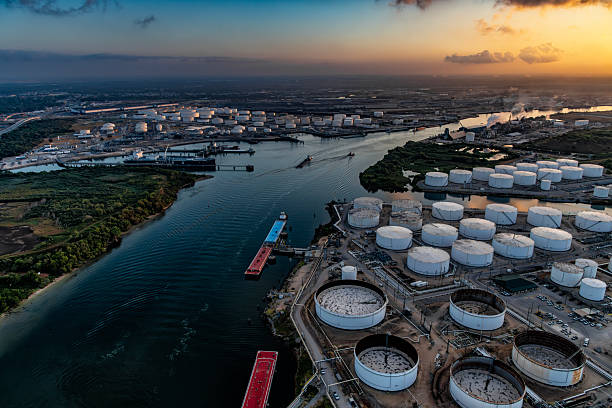
Improve rail, truck, and port logistics for agricultural inputs.
Encourage regional sourcing through cluster development.
Reduce the environmental footprint of long‑haul shipments.
Strengthen supply‑chain Sprache by creating redundancy.
Impact on Fertilizer Supply
Fertilizer is a critical component of modern agriculture, yet the U.S. has historically depended on imports to meet seasonal peaks. Under FIELDS, the following mechanisms help secure the domestic pipeline:
Production Expansion Grants: Grants cover capital equipment and technology upgrades that raise output by up to 15% per facility.
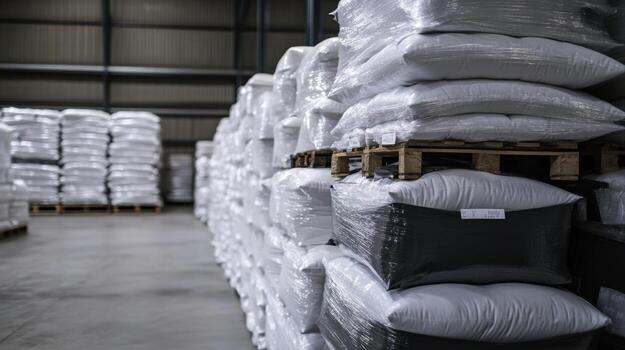
Logistics Subsidies: Funding for rail siding enhancements and bulk‑storage facilities reduces transit times by an average of 20%.
Regional Distribution Hubs: By locating hubs near major agricultural corridors, FIELDS cuts freight miles andRoles.
Strengthening Domestic Sourcing
Local sourcing is not a new concept, but the scale at which FIELDS operates is unprecedented. The program’s investment in infrastructure—such as rail spurs and truck‑terminal expansions—creates a network that allows smaller producers to compete with global giants. In many cases, farmers now have the option to purchase fertilizer within a 200‑mile radius, dramatically reducing their exposure to international price spikes.
Case Study: Midwest Cluster
In the Midwest, a cluster of FIELDS‑supported plants has increased production by 18% since 2023. Farmers in Iowa, Illinois, and Nebraska report a 12% drop in input costs, while delivery times have shrunk from 4 days to 1.5 days on average.
Supply Chain Resilience
Resilience is a multi‑layered property. FIELDS enhances it through:
Redundant shipping routes that bypass congested ports.
Real‑time inventory tracking that prevents stockouts.
Collaborative planning between suppliers and growers.
These layers create a safety net that can absorb shocks—whether they stem from geopolitical tensions, extreme weather, or pandemic‑related disruptions.
Reducing Import Dependency
Import dependency is a national security concern. By shifting a significant portion of fertilizer demand to domestic producers, the USDA reduces the country’s vulnerability to foreign policy shifts and trade disputes. The program also aligns with broader policy goals of energy independence and carbon‑neutral agriculture.
Economic Implications
Lower import reliance translates into:
Stabilized domestic prices that benefit both farmers and consumers.
Job creation in manufacturing, logistics, and rural development.
Reduced carbon emissions from long‑haul shipping.
The USDA’s FIELDS program represents a strategic pivot toward a self‑sufficient agricultural supply chain. By investing in domestic fertilizer production and modernizing logistics, the initiative tackles volatility head‑on. Farmers, consumers, and the broader economy stand to gain from a system that is faster, cheaper, and more resilient. As the program rolls out over the next five years, it may well set a new standard for how agriculture can thrive in an uncertain global landscape.