USGS Cobalt Data 2026: What the Congo Export Quotas Mean for Global Buyers
United States cobalt imports jumped from roughly 10,800 metric tons in 2024 to an estimated 14,000 metric tons in 2025, a sharp swing tied directly to a temporary export ban out of Congo. The U.S. Geological Survey released its 2026 Mineral Commodity Summaries cobalt chapter in February, and the data tells a clear story about how concentrated, and how fragile, global cobalt supply really is.
For buyers in chemicals, batteries and specialty alloys, this report is worth reading closely. Cobalt sits behind a surprising range of industrial applications, and the 2025 disruption out of one country shows just how quickly that supply chain can shift.
Congo's Export Ban Reshaped the Market Mid-Year
Congo, Kinshasa remained the world's leading source of mined cobalt in 2025, accounting for an estimated 73 percent of global production, with Indonesia a distant second at 14 percent. That concentration alone makes cobalt one of the more geographically exposed industrial metals in global trade.
In February 2025, Congo temporarily banned cobalt exports entirely, aiming to address oversupply and low prices in the market. That ban did not last. In October, it was replaced with formal export quotas, capping shipments at 18,125 tons of contained cobalt for the remainder of 2025, and up to 96,600 tons per year across 2026 and 2027, including 9,600 tons reserved for national strategic stockpiles.
The uncertainty created by the initial ban appears to have driven buyers to stock up while supply was unclear, which likely explains why U.S. imports and industry stocks both jumped sharply through the year despite the eventual return to quota-based exports.
Where U.S. Cobalt Actually Comes From
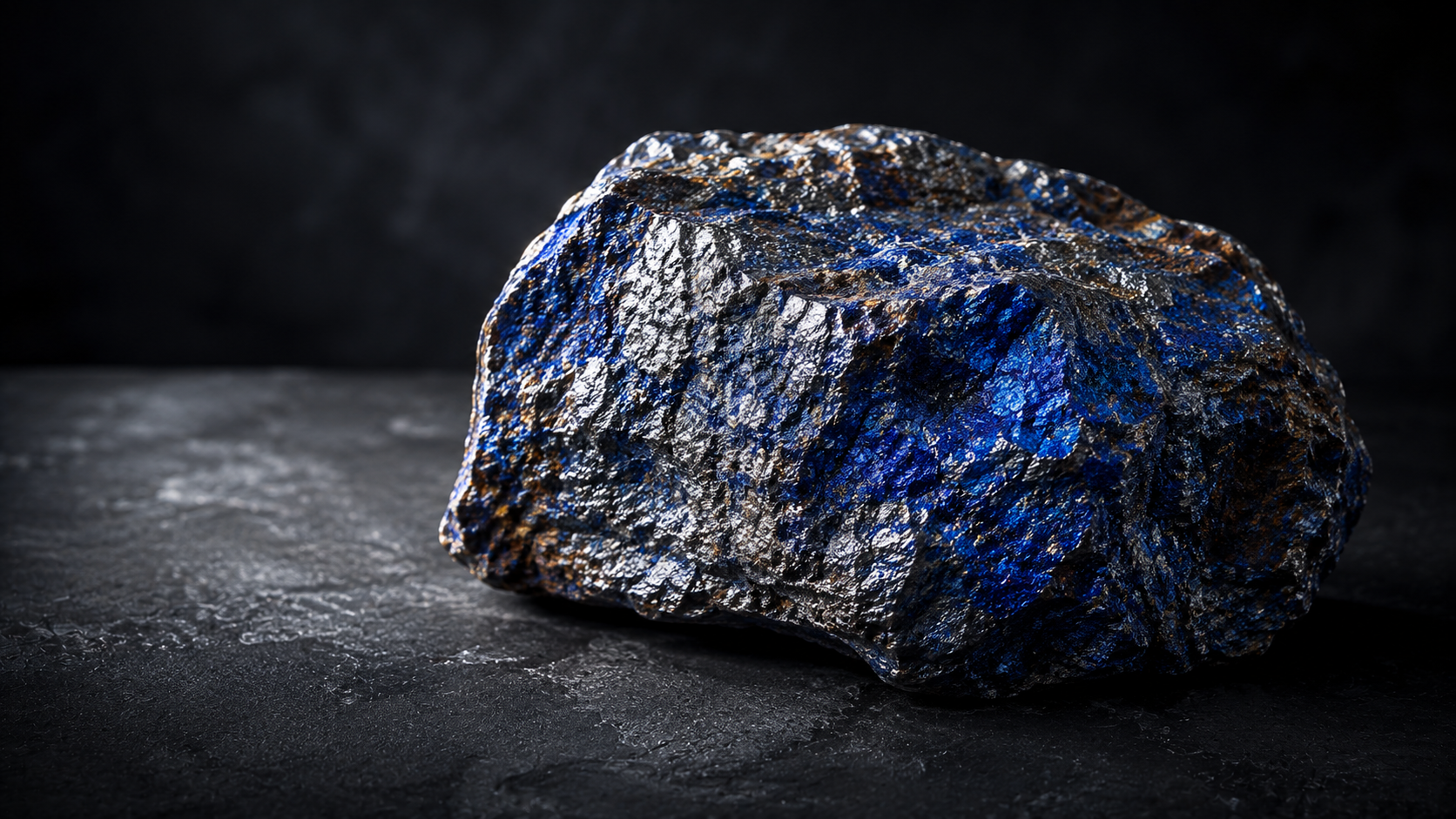
Domestic mine production in the United States remains genuinely small. The Eagle Mine in Michigan, a nickel-copper operation, produced cobalt-bearing nickel concentrate that gets shipped to Canada or overseas for processing rather than refined domestically. U.S. mine output came in at just 300 metric tons in 2025.
Most of the country's cobalt supply instead comes from imports and secondary scrap materials. Looking at import sources for metal, oxide and salts between 2021 and 2024, Norway supplied 26 percent, Finland 16 percent, Canada 14 percent and Japan 14 percent, with the remaining 30 percent spread across other countries.
Net import reliance as a share of apparent consumption climbed to 79 percent in 2025, up from 74 percent the year before, underscoring how dependent the U.S. remains on foreign supply even as domestic stockpiling increased.
How Cobalt Actually Gets Used
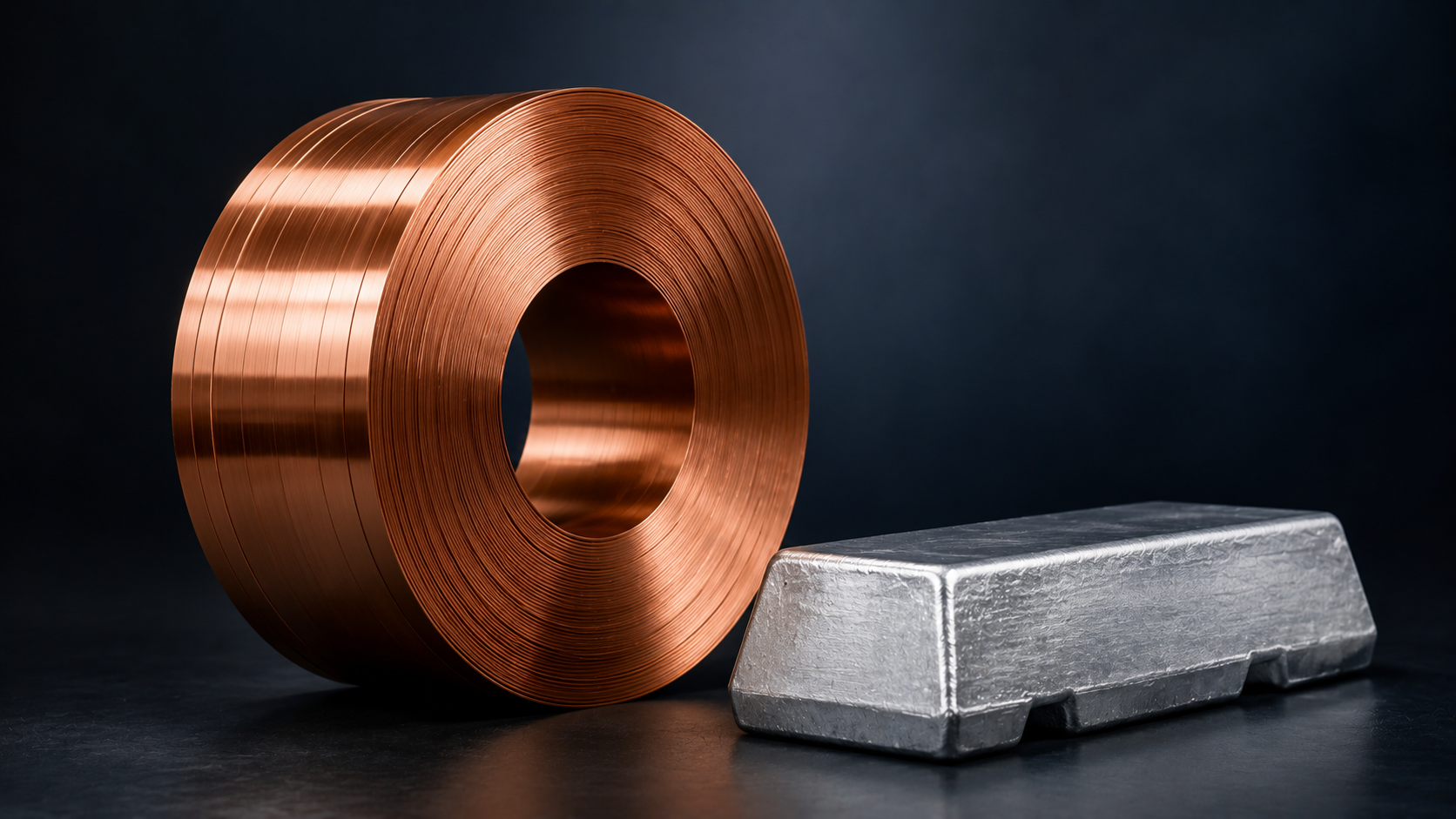
An estimated 51 percent of cobalt consumed in the United States goes into superalloys, primarily for aircraft gas turbine engines. Another 25 percent goes toward chemical applications, 15 percent into various other metallic uses and 9 percent into cemented carbides for cutting and wear-resistant tools.
The total value of cobalt consumed in the U.S. during 2025 reached an estimated 320 million dollars. About five companies within the United States produce cobalt chemicals specifically, a relatively small and concentrated domestic processing base.
China's Refining Dominance and the Battery Connection
While Congo dominates mining, China remained the world's leading producer of refined cobalt in 2025, and also the leading consumer, primarily to feed its lithium-ion battery manufacturing base. This split between where cobalt is mined and where it gets refined and consumed is central to understanding global cobalt trade flows.
Notably, the report points out that cobalt content in lithium-ion batteries has been decreasing, with cobalt-free alternatives using iron and phosphorus chemistry holding significant market share in China already. Buyers tracking battery material demand should factor this substitution trend into longer term cobalt sourcing decisions rather than assuming today's demand ratios hold steady.
Pricing and Recycling Trends
Cobalt pricing showed modest recovery in 2025 after a rough couple of years. The U.S. spot cathode price averaged an estimated 21 dollars per pound in 2025, up from 16.77 dollars in 2024, while the London Metal Exchange cash price rose to an estimated 15 dollars per pound from 11.84 dollars the year before.
Recycling continues playing a meaningful role in supply. Cobalt content recovered from purchased scrap represented 25 percent of estimated U.S. cobalt consumption in 2025, a reminder that secondary material remains a genuine supply source rather than a marginal one.
What Buyers Should Watch Going Forward
Cobalt's concentrated supply base means policy shifts in a single country can ripple through pricing and availability quickly, as the 2025 export ban demonstrated. A few practical points stand out for buyers:
Congo's quota system caps supply at specific tonnage levels through 2027, meaning available volume is now a known, bounded figure rather than an open question.
Recycled scrap cobalt already covers a quarter of U.S. consumption, offering a meaningful alternative sourcing channel beyond primary mined material.
Battery chemistry is shifting toward cobalt-free alternatives in some markets, which could gradually soften demand growth in the largest end-use category over time.
Tariff treatment varies significantly by cobalt product form, with unwrought cobalt alloys and wrought cobalt articles facing different duty rates than raw ores or scrap.
The Bottom Line for Procurement Teams
Cobalt remains a genuinely concentrated commodity, both in where it gets mined and in who refines and consumes it. The 2025 Congo export disruption showed how quickly that concentration can translate into real supply volatility, even with quotas now formally in place through 2027.
Buyers sourcing cobalt chemicals or metal should treat Congo's export policy as an ongoing variable worth monitoring closely, while also keeping an eye on how quickly cobalt-free battery chemistry gains ground in end markets that currently drive a large share of global demand.
Ready to source cobalt chemicals from verified global suppliers? Explore competitive offers on our platform today.
Reference Link:
https://pubs.usgs.gov/periodicals/mcs2026/mcs2026-cobalt.pdf
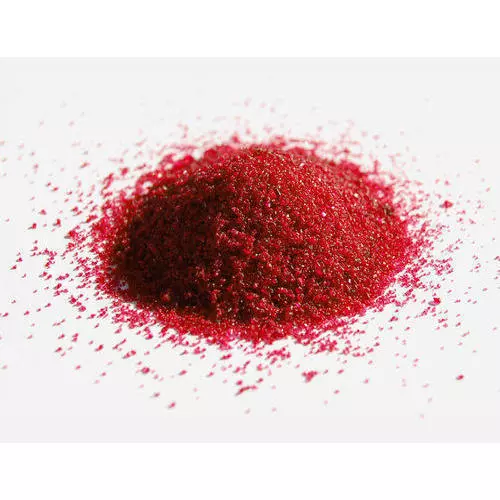
Cobalt Sulfate
Found this useful?