VCI's Weaker Chemical Output Forecast Signals Broader Pressure on German Pharma Intermediates
Germany's chemical industry has long been a cornerstone of Europe's industrial economy, supplying essential raw materials and specialty chemicals to sectors including pharmaceuticals, automotive, agriculture, and advanced manufacturing. However, a weaker production outlook from the German Chemical Industry Association (VCI) has raised concerns about the resilience of one of the country's most strategic industrial sectors. Beyond the immediate impact on commodity chemicals, the slowdown could place broader pressure on Germany's pharmaceutical intermediates market—a critical link in the global healthcare supply chain.
As pharmaceutical companies navigate rising costs, regulatory demands, and evolving supply chain strategies, declining chemical output may have ripple effects that extend well beyond Germany's borders.
Germany's Chemical Industry Faces Mounting Challenges
The German chemical sector has experienced several years of economic headwinds driven by high energy prices, weak industrial demand, geopolitical uncertainty, and slower global manufacturing activity. These factors have prompted the VCI to lower expectations for chemical production, reflecting a more cautious outlook for the industry.
Although specialty chemicals and pharmaceutical-related products have demonstrated greater resilience than bulk chemicals, they remain closely tied to the broader health of the chemical manufacturing ecosystem. Reduced production volumes and lower investment levels can affect the availability, cost, and innovation of key inputs used throughout pharmaceutical manufacturing.
Why Pharmaceutical Intermediates Matter
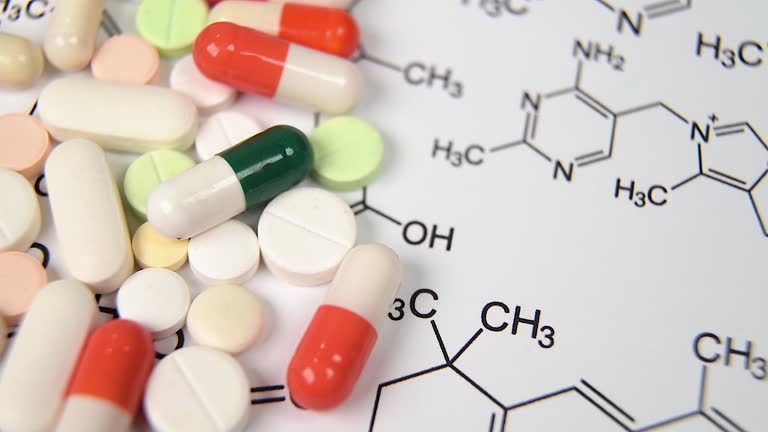
Pharmaceutical intermediates are chemical compounds used in the production of active pharmaceutical ingredients (APIs). They form the foundation of medicines by enabling complex chemical reactions during drug synthesis.
German manufacturers produce a wide range of high-value intermediates used in:
Prescription medicines
Biopharmaceuticals
Generic drug manufacturing
Vaccines
Specialty therapeutics
Clinical research and development
The country's reputation for quality, regulatory compliance, and advanced chemical engineering has made it an important supplier for pharmaceutical companies across Europe and international markets.
How Lower Chemical Output Could Affect Pharma Supply Chains
A slowdown in overall chemical production may not immediately disrupt pharmaceutical manufacturing, but it can gradually influence several areas of the supply chain.
Potential impacts include:
Reduced availability of specialty chemical feedstocks
Longer production lead times
Higher manufacturing costs
Delays in capacity expansion projects
Increased pressure on research and development budgets
Greater dependence on imported intermediates
Because pharmaceutical manufacturing relies on highly specialized chemical inputs, even modest constraints within upstream chemical production can have downstream effects on efficiency and competitiveness.
Rising Production Costs Remain a Key Concern

Energy-intensive chemical manufacturing continues to face elevated operating costs in Germany compared with many competing regions. Electricity prices, natural gas costs, environmental compliance requirements, and labor expenses all influence production economics.
For pharmaceutical intermediate manufacturers, these cost pressures can reduce profit margins while making overseas production increasingly attractive. Companies may respond by optimizing production networks, improving process efficiency, or diversifying sourcing strategies to maintain competitiveness.
Global Competition Continues to Intensify
Germany remains a leader in high-value chemical manufacturing, but competition from Asia and North America is growing. Countries such as China and India have expanded their production of pharmaceutical intermediates, while the United States has increased investments in domestic pharmaceutical manufacturing through industrial policy and supply chain resilience initiatives.
As a result, German producers face increasing pressure to compete not only on cost but also on quality, sustainability, innovation, and regulatory expertise.
Innovation Remains Germany's Competitive Advantage
Despite short-term production challenges, Germany retains significant strengths that support its pharmaceutical chemicals industry.
These include:
Advanced chemical engineering capabilities
Highly skilled scientific workforce
Strong intellectual property protection
Close collaboration between academia and industry
Established pharmaceutical manufacturing infrastructure
High regulatory and quality standards
These advantages position German manufacturers to remain important suppliers of complex and high-purity pharmaceutical intermediates that are difficult to replicate elsewhere.
Strategic Responses Across the Industry
Chemical and pharmaceutical companies are already adapting to changing market conditions through targeted investments and operational improvements.
Key strategies include:
Expanding digital manufacturing technologies
Increasing process automation
Improving energy efficiency
Developing more sustainable production methods
Strengthening supply chain diversification
Investing in high-value specialty chemicals rather than commodity products
These initiatives can help manufacturers improve resilience while maintaining competitiveness in a rapidly evolving global market.
Implications for the European Pharmaceutical Sector
The health of Germany's chemical industry has implications far beyond national borders. Many European pharmaceutical manufacturers depend on German suppliers for specialty chemicals, solvents, intermediates, and process technologies.
A prolonged slowdown in chemical output could encourage pharmaceutical companies to diversify suppliers, build larger inventories of critical materials, or invest in regional production partnerships to reduce supply chain risks.
At the same time, the emphasis on supply chain resilience may create opportunities for innovation in advanced manufacturing, green chemistry, and localized production.
For Germany, maintaining leadership in pharmaceutical chemicals will depend on balancing cost competitiveness with continued investment in research, sustainability, and advanced manufacturing technologies. Companies that prioritize efficiency, innovation, and resilient supply chains are likely to emerge stronger as market conditions improve.
Although near-term uncertainty may persist, Germany's deep expertise in specialty chemicals and pharmaceutical intermediates provides a solid foundation for long-term growth. As the global pharmaceutical industry continues to evolve, the country's ability to deliver high-quality, reliable chemical solutions will remain a critical advantage in an increasingly competitive marketplace.

Basic Chromium Sulphate
Found this useful?