Versalis's Italian PE Plant Closure Adds to Europe's Petrochemical Rationalization Wave
The European polyolefin market is undergoing a definitive structural contraction, and the latest casualty is a polyethylene (PE) facility in Italy operated by Versalis. This shutdown is not an isolated operational decision but a definitive marker of the broader European capacity rationalization wave sweeping through 2026. Procurement managers and chemical traders must recognize this as a permanent structural shift, not a temporary market fluctuation. The withdrawal of this production volume permanently alters the regional supply-demand balance for specific polyolefin grades. Buyers relying on these materials for packaging, agriculture, and industrial applications need to secure alternative sources without delay. Understanding the macroeconomic drivers behind this consolidation allows sourcing teams to build resilient contingency plans. Ignoring this trend exposes organizations to severe supply bottlenecks and unexpected price volatility. Strategic agility is now essential for navigating the shrinking European polyolefin landscape.
The Mechanics of European Capacity Rationalization
The decision to shutter legacy polyethylene assets in Europe is driven by a convergence of severe structural headwinds. Producers are grappling with persistently high energy costs, stringent environmental regulations under the EU Green Deal, and chronically weak downstream demand from key sectors like construction and automotive.
Simultaneously, the global market faces structural overcapacity in standard polyolefins, driven by massive, low-cost capacity additions in North America, the Middle East, and Asia. European producers can no longer compete on cost in these commodity segments. Consequently, companies like Versalis are strategically exiting unprofitable assets to preserve capital, redirecting investments toward higher-margin specialty chemicals, advanced materials, and circular polymer solutions.
This rationalization means that baseline production capacity in Europe is permanently shrinking. The buffer of excess supply that once stabilized regional prices and guaranteed easy availability is disappearing. Buyers must recognize that the era of abundant, low-cost European commodity polyolefins is ending.
Impact on Regional Polyolefin Supply Chains
The removal of this polyethylene capacity sends immediate shockwaves through regional supply chains. While total European demand may be softening in certain sectors, the loss of localized, high-volume production creates immediate tightness for specific grades, particularly standard film-grade and blow-molding resins.
Procurement teams must anticipate stricter allocation policies from remaining regional producers. As supply tightens, manufacturers will naturally prioritize long-term contract holders and strategic partners over spot market buyers. Uncontracted buyers will face steep price premiums and extended lead times as they compete for the remaining available volume.
Reduced Availability of Tailored Grades: Specific polyethylene grades tailored to European regulatory and performance standards may become scarce.
Increased Import Reliance: Europe will increasingly rely on imported polyolefins, introducing new variables such as freight volatility, currency fluctuations, and longer lead times.
Elevated Baseline Pricing: Remaining domestic producers will seek to maximize margins on their optimized, streamlined asset base, pushing floor prices higher.
These disruptions require proactive management from procurement professionals. Building relationships with new suppliers is essential for smooth transitions. Early qualification of alternatives prevents last-minute scrambling during critical production cycles.
Strategic Sourcing and Geographic Diversification
Procurement teams must adopt highly disciplined sourcing strategies to mitigate the risks of regional capacity loss. Relying on a single geographic region for base polymers is now a massive operational liability. Buyers should actively qualify alternative vendors in the Middle East, Southeast Asia, or North America to ensure continuity.
Negotiating flexible contracts becomes essential during these highly volatile periods. Agreements must include clear volume adjustment clauses and alternative delivery terms. Suppliers value partners who can adapt quickly to shifting logistical realities.
Engaging regional distributor networks can also provide a vital operational buffer during shortages. Distributors often hold safety stock that independent manufacturers cannot access directly. However, buyers must weigh this reliability against the additional margin layers. Total landed cost calculations must include these intermediary fees to remain accurate.

Navigating Contract Transitions and Inventory Management
The closure of a major facility often triggers a complex transition period. Existing contracts may be subject to force majeure clauses or early termination notices as companies wind down operations. Procurement and legal teams must review all active agreements with suppliers in the affected region immediately to understand their rights and obligations.
Securing remaining inventory is a critical short-term priority. Buyers should communicate with their account representatives to lock in final shipments before the facility fully ceases operations. Maintaining elevated safety stock levels of the affected grades will provide a crucial buffer while alternative supply lines are established.
Furthermore, technical validation of substitute materials takes time. Procurement must collaborate closely with R&D and quality assurance teams to test alternative resins and chemicals from new suppliers. Starting this process early prevents panic-driven material changes that could compromise final product performance.
Sustainability and the Circular Economy Pivot
While conventional polyethylene capacity is being rationalized, the broader corporate strategy for companies like Versalis and its parent Eni is heavily focused on sustainability. The capital freed up by these closures is being aggressively reinvested into advanced recycling technologies, bio-based polymer alternatives, and electrification supply chains.
For procurement teams with strict environmental mandates, this pivot presents a strategic opportunity. As conventional capacity shrinks, the relative availability and cost-competitiveness of certified circular polymers may improve. Buyers should proactively engage with suppliers to explore mass-balanced or mechanically recycled material options.
Sourcing these sustainable alternatives not only future-proofs the supply chain against further fossil-based capacity cuts but also directly supports corporate Scope 3 emissions reduction targets. Certifications such as ISCC PLUS will become standard requirements in procurement evaluations.
What Buyers Should Do Now
Procurement leaders must act decisively to fortify their supply chains against this capacity reduction. Conduct a comprehensive audit of your current polyolefin spend. Identify any materials currently sourced from the shutting-down Italian facility or similar vulnerable European assets.
Initiate immediate discussions with alternative global suppliers to establish backup channels. Request technical data sheets and samples for equivalent grades to begin the validation process. Secure flexible long-term contracts that include clear volume adjustment clauses to protect against future market tightness.
Invest in advanced market intelligence tools to monitor global polyolefin capacity trends and trade flows. Early warning signals allow procurement teams to adjust purchasing tactics proactively. Building organizational resilience is the only reliable defense against structural market contraction.
Ready to source PP Block Copolymer Copolymer from verified global suppliers? Explore competitive offers on our platform today.
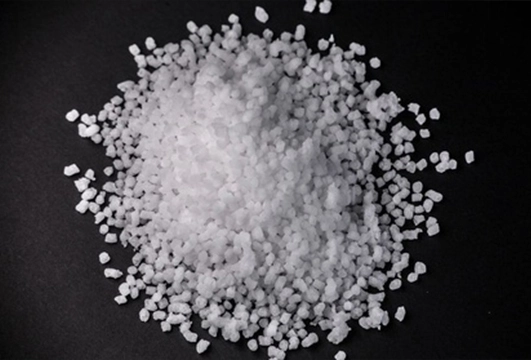
PP Block Copolymer P838C (Lamination Coating)-Thai
Found this useful?