Vietnam Proposes a 7-MMtpy Ca Mau Petrochemical Complex
Vietnam Proposes a 7-MMtpy Ca Mau Petrochemical Complex
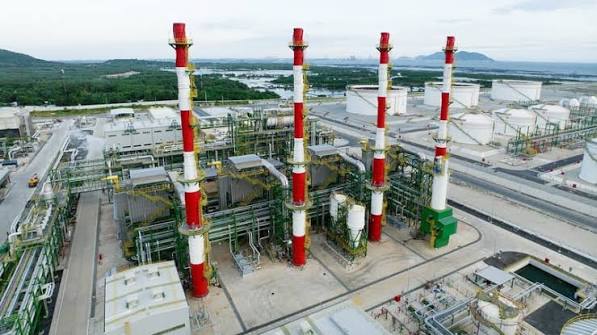
Ca Mau Province has formally proposed that Vietnam’s Ministry of Industry and Trade include a new integrated refinery and petrochemical complex in the National Energy Master Plan for 2021–2030, with a vision to 2050. The project, planned for Tan Thuan Industrial Park in Tan Thuan Commune, is designed in two phases that would ultimately process about 7 million tonnes of crude oil per year—roughly 155,000 barrels per day. Phase one would start at approximately 65,000 bpd, or 3 million tonnes annually; phase two would raise total capacity to the full 7 million tonnes. Implementation is targeted for the 2026–2030 window. The proposal remains at the planning-inclusion stage and has not yet advanced to investment approval, detailed engineering or construction.
Project Scale and Phasing
At full build-out the complex would represent a substantial addition to Vietnam’s refining base. The country’s two existing large facilities—Dung Quat and Nghi Son—have a combined design capacity of about 16.5 million tonnes per year. A 7-million-tonne Ca Mau complex would therefore add capacity equivalent to roughly 40% of that existing total. The two-phase approach is intended to manage capital intensity and market risk: an initial 3-million-tonne train followed by expansion once the first phase is operating and product outlets are established.
Location and Infrastructure Logic
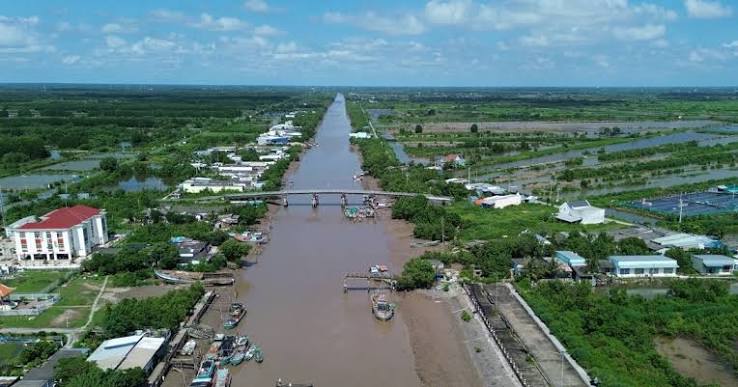
Ca Mau sits at Vietnam’s southernmost tip, with access to both the East Sea and western coastal waters. Provincial authorities argue that the site can be integrated with existing and planned oil-and-gas, port and logistics infrastructure, including the Ca Mau–Dat Mui expressway and Hon Khoai port. The complex is also linked to Ca Mau’s ambition to become a regional energy and logistics hub and to a parallel proposal for a national energy reserve centre in the province. Land requirements are estimated at around 400 hectares onshore and 500 hectares of sea surface for port facilities, loading buoys, pipelines and auxiliaries—approximately 900 hectares in total.
Feedstock and Product Slate
The proposed feedstock slate is a roughly 50/50 blend of Middle Eastern and South American crude, or other grades with similar characteristics compatible with the chosen process configuration. Product groups under consideration include LPG, propylene, polypropylene, gasoline, jet fuel A-1/kerosene, diesel, furnace oil and sulfur. The precise product mix will be fixed during pre-feasibility, feasibility and design studies. Inclusion of propylene and polypropylene signals an intent to move beyond pure fuels into petrochemicals, consistent with Vietnam’s broader push to raise domestic chemicals self-sufficiency.
Energy Security Rationale
Vietnam’s existing refineries currently meet only about 65% of domestic fuel demand; the balance is imported. Provincial officials present the Ca Mau complex as a way to reduce import dependence, lower supply risk and support more stable domestic energy costs. Linking refining and petrochemicals to local gas, power and fertilizer assets already present in Ca Mau is intended to create industrial synergies and strengthen the province’s role in the national energy system.
Status and Next Steps
The proposal is still at the master-plan inclusion stage. Approval by the Ministry of Industry and Trade—and subsequent incorporation into the adjusted national energy plan—would be required before the project can move to investment decision, environmental assessment, detailed design and construction. No investor, technology licensor or EPC contractor has been publicly named. The 2026–2030 implementation window is ambitious for a grassroots refinery-petrochemical complex of this scale; timelines will depend on planning approval, financing and the pace of supporting infrastructure.
Outlook for Regional Petrochemical Supply
If realised, a 7-million-tonne Ca Mau complex would add meaningful refining and basic petrochemical capacity in southern Vietnam and could alter regional product balances for fuels, LPG and polypropylene. For global crude suppliers it would represent a new demand centre for Middle Eastern and South American grades. For domestic and regional chemical buyers it would offer a potential new source of propylene and PP closer to Southeast Asian demand growth. Until the project clears national planning hurdles and secures capital and offtake, however, it remains a provincial proposal rather than a committed capacity addition. Market participants should treat it as a planning signal—not yet as firm future supply.
Sources
Sodium Metabisulfite (E223)
Found this useful?