
ViiV Cabenuva Long-Acting HIV Therapy Clinical Results and Pharma Supply Chain Impacts
ViiV Healthcare recently reported that its long-acting HIV therapy Cabenuva achieved superior viral suppression at six months in the CROWN study. This regimen combines cabotegravir and rilpivirine to treat people with detectable virus. The clinical data demonstrates a significant shift in antiretroviral treatment paradigms. Pharmaceutical procurement teams must now prepare for the specialized manufacturing demands of long-acting injectable formulations. The transition from daily oral pills to monthly intramuscular injections requires precise supply chain coordination. Manufacturers must secure high-purity chemical intermediates and specialized excipients to support this advanced delivery method. Sourcing strategies must adapt to the complex formulation requirements of nanosuspension technologies.
Clinical Efficacy of Cabenuva in the CROWN Study
The CROWN study evaluated the efficacy of long-acting injectable therapy in a challenging patient population. Researchers focused on individuals with detectable viral loads who required a robust treatment alternative. Cabenuva delivered superior viral suppression rates at the six-month mark compared to daily oral regimens.
This outcome validates the pharmacokinetic profile of the combined active pharmaceutical ingredients. The sustained release mechanism maintains therapeutic drug levels over extended periods. Clinicians view this as a major advancement in improving patient adherence and clinical outcomes.
The success of this trial drives immediate commercial scaling requirements for the manufacturer. Pharmaceutical companies must accelerate their manufacturing timelines to meet projected patient demand globally. Procurement professionals must align their sourcing strategies with these aggressive production schedules.
Manufacturing Demands for Long-Acting Injectable Formulations
Producing long-acting injectable therapies requires highly specialized manufacturing infrastructure. Facilities must maintain strict adherence to current Good Manufacturing Practices at all times. The production process relies on a steady supply of high-purity raw materials.
Nanosuspension technology demands precise control over particle size and distribution. Specialized milling and homogenization equipment process the active ingredients into stable formulations. Manufacturers cannot compromise on the quality of these foundational chemical ingredients.
Sterile filling operations for intramuscular injections demand precise environmental controls. Contamination risks must be minimized at every stage of the manufacturing process. This requires advanced facility design and rigorous daily operational protocols.
Scaling up production for high-volume injectable therapies presents unique engineering challenges. Facilities must optimize blending and milling processes to ensure uniform drug distribution. Dedicated equipment and specialized HVAC systems are mandatory for these high-potency active pharmaceutical ingredients.
Key Raw Materials in Antiretroviral Formulations
The formulation of advanced antiretroviral drugs depends on a precise balance of active and inactive ingredients. Excipients ensure the drug remains stable during extended storage and clinical administration. Common requirements include high-purity buffering salts and specialized suspending agents.
Suppliers must provide these materials with strict adherence to established pharmacopeial standards. Any variation in particle size or chemical purity can alter the final product performance drastically. Procurement teams must specify exact grade requirements in their formal purchasing contracts.
High-purity solvents are critical for synthesizing complex active pharmaceutical ingredients safely. These solvents must contain extremely low moisture levels to ensure optimal reaction efficiency.
Specialized surfactants prevent particle aggregation in complex liquid formulations. Aggregation can trigger adverse immune responses in patients receiving the therapy.
Pharmaceutical grade stabilizers maintain the precise pH required for long-term chemical stability. Proper pH control prevents active ingredient degradation during the manufacturing process.
Sourcing these materials requires rigorous vendor qualification processes across the supply chain. Buyers must evaluate supplier capacity and geographic stability thoroughly. Long-term supply agreements help secure consistent pricing and guaranteed material allocation during peak demand.

Supply Chain Risks and Sourcing Challenges
The pharmaceutical supply chain faces unique vulnerabilities that procurement teams must actively manage. Geopolitical tensions and trade restrictions can disrupt the flow of critical raw materials. Single-source dependencies increase the risk of severe production delays.
Companies must diversify their supplier base to mitigate these operational vulnerabilities. Establishing secondary sourcing channels for key pharmaceutical ingredients ensures long-term resilience. Regular supply chain audits help identify potential bottlenecks before they escalate into crises.
Transportation logistics also present significant challenges for temperature-sensitive components. Manufacturers must maintain controlled integrity from the raw material supplier to the final manufacturing site. Investing in robust logistics partnerships protects product quality and prevents financial losses.
Currency fluctuations can further complicate international procurement operations. Procurement managers should utilize financial hedging strategies to manage exposure effectively. Diversifying supplier locations across different economic zones provides an additional layer of financial protection.
Quality Assurance and Regulatory Compliance
Pharmaceutical manufacturers must enforce rigorous quality assurance protocols at every stage of production. Regulatory agencies demand complete traceability for all raw materials and chemical intermediates. Suppliers must provide comprehensive certificates of analysis and adhere to international quality standards.
Any deviation in raw material quality can compromise the entire pharmaceutical batch immediately. Procurement professionals must prioritize suppliers with proven compliance records and transparent auditing processes. Building trust with suppliers facilitates smoother regulatory inspections and faster batch releases.
Continuous monitoring of supplier performance remains a non-negotiable industry requirement. Quality agreements should clearly define expectations and corrective action procedures for all parties. This proactive approach prevents costly batch rejections and unexpected production halts.
Regulatory bodies frequently update their guidelines for injectable manufacturing. Procurement teams must stay informed about these evolving compliance standards constantly. Adapting quickly to new regulations prevents costly operational disruptions and maintains uninterrupted market access.
Market Outlook for Long-Acting Antiretroviral Therapies
The successful progression of Cabenuva highlights the growing demand for targeted injectable therapies. HIV management represents a significant clinical focus globally. As new treatments reach the market competition will drive innovation in drug delivery and formulation.
Manufacturers will seek more efficient production methods to reduce overall operational costs. This dynamic environment creates opportunities for agile suppliers who can meet evolving technical specifications. Chemical traders who understand these specific pharmaceutical needs will capture greater market share.
The broader healthcare sector continues to prioritize innovative long-acting treatments. Investment in research and development will only accelerate this industry trend. Supply chain partners must scale their capabilities to match this sustained market growth.
Emerging markets will increasingly demand access to these advanced therapies. This global expansion will further strain existing raw material supply networks. Proactive capacity planning is essential for all stakeholders in the pharmaceutical value chain.
What Procurement Teams Need to Know
Procurement leaders must proactively adapt their strategies to support the next wave of injectable therapeutics. Building strong relationships with qualified chemical and excipient suppliers is paramount. Teams should conduct regular risk assessments on their current supply networks.
Investing in supplier development programs can yield long-term stability and cost advantages. Early preparation ensures uninterrupted access to critical manufacturing inputs. Cross-functional collaboration between procurement, quality assurance and regulatory affairs is essential.
Aligned teams can respond faster to supply chain disruptions. This unity drives overall operational excellence in modern pharmaceutical manufacturing. Ready to source Isopropyl Alcohol (IPA) (99.7%) - China from verified global suppliers? Explore competitive offers on our platform today.
Source:
https://chemxplore.com/news/cabenuva-long-acting-hiv-viral-suppression
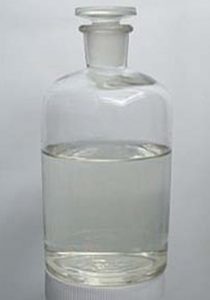
Isopropyl Alcohol (IPA) (99.7%) - China
Found this useful?