Waaree Clean Energy Enters India’s Specialty Gases Market to Support Semiconductor and Solar Manufacturing
India’s expanding semiconductor and solar manufacturing base is creating demand for another critical industrial input: ultra-high-purity process gases. Waaree Clean Energy Solutions (WCES), a wholly owned subsidiary of Waaree Energies, has entered the specialty gases market with plans to develop domestic supply capabilities for these materials.
The company is developing a specialty gases facility at GIDC Saykha in Dahej, Gujarat. The planned operation will focus on gases and related chemical supply systems for semiconductor fabs, OSAT and ATMP facilities, advanced electronics manufacturers and solar cell producers.
For chemical traders and procurement teams, the development signals a broader shift in India's industrial sourcing landscape. Specialty gases require stringent purity, handling, storage and delivery systems, making local production and integrated supply services increasingly relevant to manufacturers.
India’s Specialty Gases Demand Is Expanding
Specialty gases differ from conventional industrial gases because their value depends heavily on purity, consistency and precise application performance. Semiconductor and advanced solar manufacturing processes can require gases with tightly controlled impurity levels because even small variations can affect sensitive production steps.
India's semiconductor and electronics manufacturing ambitions are increasing the need for a dependable domestic supply chain. Industry reports indicate that many high-purity process gases and chemicals used by these sectors remain largely dependent on imports, creating an opportunity for domestic suppliers.
The same requirement applies to advanced solar cell manufacturing. As Indian manufacturers expand production, they need reliable access to process materials that can arrive in the required specification and quantity without unnecessary supply-chain delays.
This creates a market where procurement decisions extend beyond the quoted price of a gas. Buyers also need to evaluate purity specifications, packaging, delivery systems, technical support, safety procedures and continuity of supply.
Waaree’s Gujarat Specialty Gases Facility
WCES plans to develop its specialty gases business in phases at GIDC Saykha in Dahej, Gujarat. The location adds the business to an established industrial region while providing a base from which the company plans to support customers across India.
The planned infrastructure includes several capabilities designed around high-purity gas requirements:
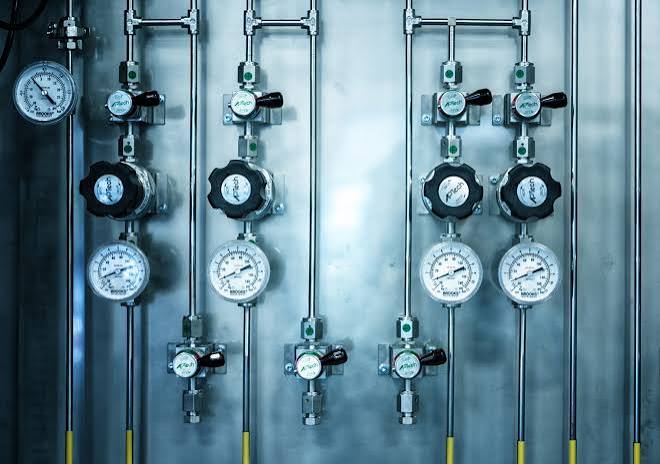
Specialty gas storage and handling: The proposed facilities will follow semiconductor-grade safety and purity requirements for the storage and movement of sensitive gases.
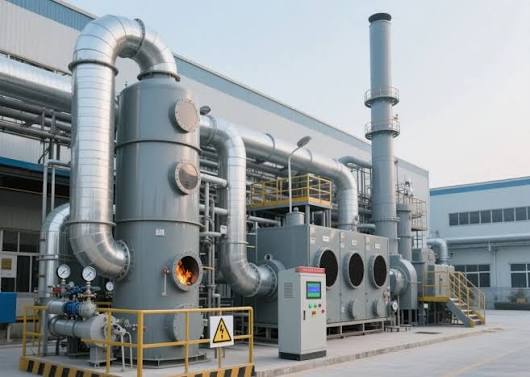
Ultra-high-purity ammonia purification: A dedicated purification unit will target semiconductor-grade ammonia requirements.
Phosphine and hydrogen mixing: WCES plans precision gas-blending capabilities for applications involving doping and deposition processes.
Ultra-high-purity oxygen and hydrogen: These gases will form part of the company's broader process-gas offering, with UHP hydrogen already commercially available.
The phased approach allows WCES to build its portfolio around the needs of advanced manufacturing customers rather than treating specialty gases as a conventional commodity business.
The UHP Gas Portfolio Targets Advanced Manufacturing
WCES intends to offer a broad portfolio of ultra-high-purity gases and specialty gas mixtures. The planned range includes materials used in semiconductor fabrication, solar cell production and other advanced manufacturing processes.
The portfolio includes:
Silane and ammonia for advanced manufacturing processes where high purity is essential.
Nitrous oxide and phosphine mixtures for specialized semiconductor and solar applications.
Boron trichloride, trimethyl aluminium and diborane for demanding process requirements.
Germane and hydrogen mixtures for specialized manufacturing applications.
Hydrogen bromide, sulfur hexafluoride and nitric oxide.
Fluorinated gases and calibration gases for specialized industrial requirements.
This range gives procurement teams a broader sourcing option than purchasing individual gases through separate suppliers. A portfolio approach can also simplify vendor management when a manufacturer requires several gases across different stages of production.
However, buyers in this segment typically need to qualify suppliers against detailed technical specifications. Purity, cylinder or delivery configuration, analytical certification, contamination controls and supply continuity can all affect whether a gas is suitable for a particular production line.
From Gas Supply to Total Chemical Management
One of the more significant aspects of WCES's strategy is its focus on infrastructure rather than only selling specialty gases. The company plans to design custom gas and chemical supply systems as well as nitrogen plants for industrial customers.
Its planned Total Gas & Chemical Management System is intended to cover several parts of the supply chain, including storage, delivery, safety monitoring and inventory management. This approach reflects the operational complexity of supplying high-purity materials to advanced manufacturing facilities.
For procurement managers, an integrated model can change how supplier evaluations work. Instead of comparing only the price per cylinder or unit of gas, buyers may assess the complete delivered cost and service package.
Key procurement considerations can include:
Product purity and specification consistency.
Delivery frequency and emergency replenishment capability.
Storage and handling infrastructure.
Safety monitoring and technical support.
Inventory visibility and consumption management.
Ability to supply multiple gases under one commercial relationship.
Such factors become particularly important when production interruptions can create costs far beyond the value of the gas itself.
What the Move Means for Chemical Importers and Traders
The expansion of domestic specialty-gas capacity could alter sourcing patterns for buyers that currently depend on overseas suppliers. A domestic source may offer opportunities to shorten certain supply chains and reduce exposure to international logistics disruptions.
For importers and distributors, the development also creates a changing competitive environment. Suppliers may need to differentiate through technical specifications, logistics capabilities, customer service and specialized applications rather than competing only on commodity pricing.
The market remains relevant for international suppliers because India's advanced manufacturing ecosystem continues to require a wide range of specialized gases and chemicals. Domestic production does not automatically eliminate the need for imports, particularly where customers require highly specialized products or where local production capacity takes time to scale.
Traders should therefore watch the development through both a sourcing and market-access lens. New domestic capacity can create additional supply options while also encouraging international suppliers to strengthen their service and technical capabilities.
Semiconductor and Solar Manufacturing Drive the Opportunity
WCES is positioning its specialty gases business around two sectors that are becoming increasingly important to India's industrial strategy: semiconductors and solar cells. The company aims to supply fabs, OSAT and ATMP facilities, advanced electronics manufacturers and solar cell production lines.
Semiconductor manufacturing has particularly demanding requirements because process gases participate in highly controlled fabrication steps. Gas purity, composition and delivery stability can directly affect manufacturing consistency.
Solar cell production also requires specialized materials as manufacturers adopt increasingly advanced cell technologies. The overlap between clean energy manufacturing and specialty gases therefore gives WCES a potential connection between its existing industrial capabilities and a new customer segment.
The company's existing clean energy manufacturing base, including an electrolyser stack facility, provides the foundation for this expansion.
Supply Chain Resilience Becomes a Procurement Priority
The specialty gases market highlights a wider procurement issue facing India's advanced manufacturing sector. Manufacturing capacity alone cannot support semiconductor or high-efficiency solar production if essential process materials remain vulnerable to supply disruptions.
Domestic production can potentially strengthen supply resilience by creating another source closer to end users. Shorter physical supply chains can also provide buyers with greater flexibility when managing inventories, replenishment schedules and urgent requirements.
For procurement teams, this makes supplier diversification particularly important. Buyers can monitor domestic capacity while maintaining qualified international sources for products that remain unavailable locally or require additional supply security.
The most relevant questions for purchasing teams include:
Which gases are available domestically? Buyers should separate commercially available products from gases that remain in development or planned production.
What purity grades are offered? Semiconductor and advanced solar applications may require specifications beyond conventional industrial grades.
What delivery model is available? Cylinder supply, bulk systems and engineered gas-delivery infrastructure can create very different procurement requirements.
Can the supplier support multiple gases? Consolidating compatible requirements can simplify logistics and vendor management.
How will supply continuity be managed? Emergency replenishment, inventory monitoring and technical support can matter as much as the initial purchase price.
Looking Ahead for India’s Specialty Gases Market
Waaree Clean Energy's entry adds another domestic participant to India's developing specialty gases ecosystem. The company's planned Dahej facility and broader gas-management strategy indicate an attempt to address both product supply and the infrastructure required to handle high-purity materials safely.
For buyers, the development reinforces the importance of evaluating specialty gases as a complete procurement category rather than treating them as ordinary industrial commodities. Product purity, technical support, infrastructure, logistics and supply continuity will remain central to supplier selection as advanced manufacturing expands.
The next stage of the market will depend on how quickly domestic capabilities develop and how effectively suppliers meet the stringent requirements of semiconductor, electronics and solar manufacturers. For chemical traders and procurement managers, monitoring new domestic capacity can help identify additional sourcing routes as India's specialty gases demand develops.
Ammonia Anhydrous
Found this useful?