Wanhua’s Taozi Bay Closed-Loop Water System Wins China’s Top Civil-Engineering Prize
Wanhua's Taozi Bay Closed-Loop Water System Wins China's Top Civil-Engineering Prize
Award Recognition at the Highest Level
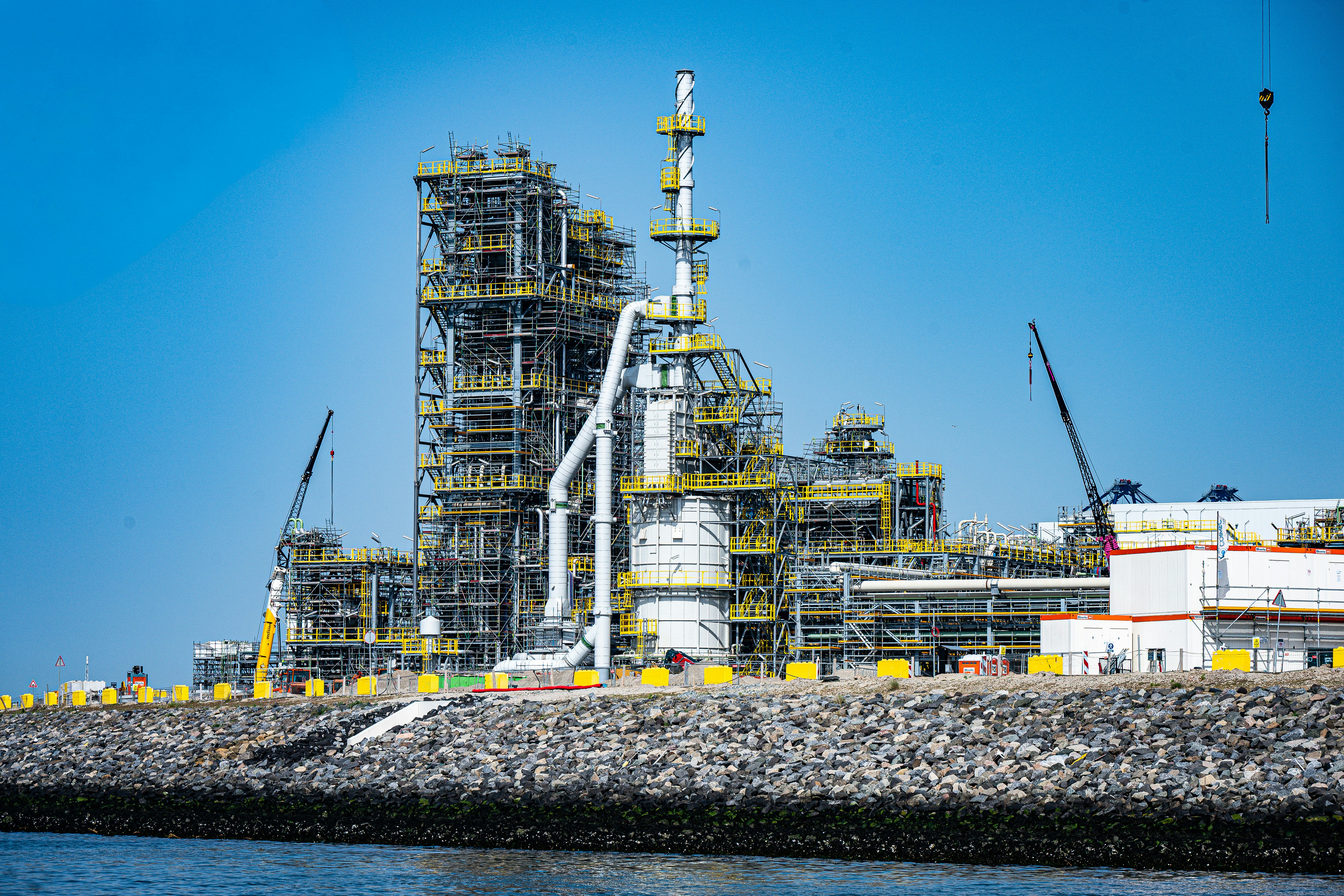
The Taozi Bay Wastewater, Reclaimed Water and Sludge Circular Economy Demonstration Project, led by Wanhua Chemical, was awarded the China Civil Engineering Zhan Tianyou Award in recognition of its engineering quality, technological innovation and comprehensive social benefits.
The Zhan Tianyou Award is regarded as China's top prize for civil engineering, equivalent to a national quality benchmark for infrastructure that demonstrates innovation, durability and societal value. For Wanhua, the recognition marks a shift from chemical scale leadership to circular infrastructure leadership.
Project Scope and Nine-Year Timeline
Developed over nine years, the project comprises eleven sub-projects brought together into one integrated circular system that links wastewater treatment, reclaimed water reuse and sludge resource recovery.
Listed as operational and completed across phases in 2017, 2021, 2022 and 2025, the system was not a single plant but a phased industrial ecosystem. Each phase added treatment trains, reclaimed water networks and sludge valorization capacity, gradually closing loops that are normally linear in chemical parks.
How the Closed Loop Works
The project pursued continuous process optimisation and technological upgrades, deploying advanced membrane treatment technologies and exploring pathways for the resource utilisation of large-scale wastewater treatment facilities.
In practice, the system closes the loop between wastewater, reclaimed water and sludge to enable resource recovery. Industrial wastewater from Wanhua's Yantai complex is treated to reclaimed water standards and returned to the complex for process use, cooling and washing, while sludge is not landfilled but fermented and converted. That eliminates the typical discharge-load-and-buy-freshwater cycle that dominates coastal chemical clusters.
Energy Integration and Carbon Benefit
By combining sludge fermentation power generation, photovoltaic solar power and sewage-source heat pump heating, the project coordinates resource recycling with energy use and achieves a CO2 emissions reduction of 56,620.75 tonnes per year.
This tri-generation approach is critical. Sludge fermentation provides baseload biogas power, PV covers daytime loads for membrane operation which is energy intensive, and sewage-source heat pumps recover low-grade heat for sludge drying and buildings. The result is both water circularity and energy circularity in one boundary.
Why This Matters for Chemical Parks Globally
Taozi Bay arrives as European chemical makers warn of competitiveness pressure. BASF has said it does not expect too much market growth in 2026 and is focusing on efficiency, while Evonik is cutting 3,200 jobs by 2029 on top of 2,800 cuts by end 2026. High energy costs and water stress make closed-loop systems a cost hedge, not just an environmental showcase.
For water-intensive chains like MDI, TDI and polyurethanes where Wanhua is a global leader, water security is production security. The project demonstrates how a coastal site can preserve local freshwater resources, protect the ecological environment and help industrial partners move along their ecological transition, similar to SUEZ's SWRO desalination win for Wanhua's Penglai site.
Link to Broader Water Strategy
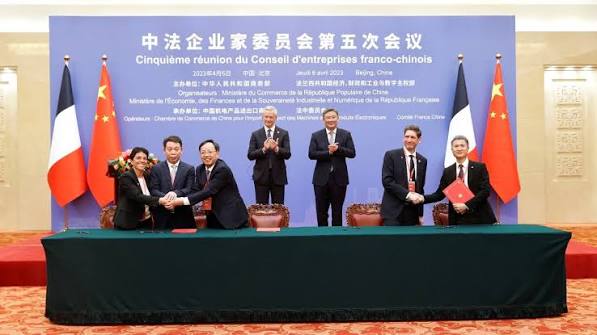
French-based utility company SUEZ won the engineering, procurement and construction contract for Wanhua Chemical Group's Penglai seawater reserve osmosis (SWRO) desalination plant, which contributes to preserving local freshwater and supports the same ecological transition goals.
Together, Taozi Bay circular reuse and Penglai SWRO desalination form a dual strategy: reuse first, desalinate second, discharge last. That sequence is becoming the template for new chemical investments in the Middle East and India, where Red Sea ports like Jeddah and Yanbu are already absorbing diverted cargo and where PCPIR clusters must manage water as tightly as feedstock.
Implications for Future Awards and Scale-Up
Winning the Zhan Tianyou Award positions Taozi Bay as a demonstration that China's chemical industry can deliver civil infrastructure at national award level. With eleven sub-projects integrated over nine years and verified emissions reduction, the model is replicable for other large coastal complexes facing stricter environmental policy, such as the pesticide plant consolidation reshaping active ingredient production where China produces 43% of sales among the top 20 global agrochemical companies.
The next test is export of the know-how. As LAB supply tightens and crop protection demand grows from $104.83 billion to $109.67 billion, chemical parks that can prove closed-loop water and low-carbon power will win permits faster and protect earnings better.
Working Source Links:
Wanhua Chemical Taozi Bay Circular Water Project Wins Zhan Tianyou Award - https://chemxplore.com/news/wanhua-taozi-bay-water-project-award
SUEZ wins first major SWRO desalination project in China for Wanhua Chemical Group Penglai - https://waterwastewaterasia.com/suez-wins-first-major-swro-desalination-project-in-china/
Evonik to cut 3,200 jobs by 2029 in extended restructuring push - https://www.reuters.com/business/evonik-cut-3200-jobs-worldwide-by-2029-it-extends-restructuring-programme-2026-06-18/
BASF CEO Focus in 2026 on own efficiency improvement measures - https://sundayguardianlive.com/world/brief-basf-ceo-focus-in-2026-on-our-own-efficiency-improvement-measures-capital-markets-update-154126/
Saudi ports brace for cargo surge as shipping lines reroute - Red Sea network Jeddah Yanbu Neom - https://www.arabnews.com/business/saudi-ports-brace-for-cargo-surge-as-shipping-lines-reroute-2635813
Sodium Formate (99,5%) - China
Found this useful?