War-Risk Insurance Hits 10 Percent: Impact on Chemical Freight Costs
War-risk insurance premiums for vessels transiting the Strait of Hormuz have surged to an unprecedented 10 percent of hull value. This represents a staggering 4,000 percent increase from the pre-conflict baseline of approximately 0.25 percent. For chemical traders and procurement managers, this dramatic spike fundamentally alters the economics of global supply chains. The war-risk insurance surge directly inflates the landed cost of imported petrochemicals and feedstocks. Buyers can no longer treat maritime logistics as a stable variable in their budget forecasts. This extreme volatility demands immediate strategic adjustments to sourcing and inventory management. Organizations must act swiftly to mitigate these compounding freight expenses before they erode operational margins.
The Mechanics of the 4,000 Percent Insurance Surge
Marine insurance underwriters calculate premiums based on real-time threat assessments. The escalation of hostilities in the Gulf region triggered an immediate reassessment of maritime risk. Insurers now view the Hormuz corridor as a high-severity conflict zone requiring maximum coverage.
The jump from 0.25 percent to 10 percent reflects this extreme risk pricing. A vessel valued at 50 million dollars now faces a half-million-dollar premium for a single transit. This massive cost is not absorbed by shipping lines under any circumstances.
Carriers pass these expenses directly to chemical shippers through emergency surcharges. The financial burden ultimately rests on the end buyer purchasing the commodity. Procurement teams must recognize that these premiums are now a permanent fixture of Gulf trade. De-escalation remains the only viable path to normalizing these rates.
How War-Risk Premiums Impact Landed Chemical Costs
The landed cost of a chemical includes the product price, freight, insurance and all associated logistics fees. A 10 percent hull value premium drastically skews this entire calculation. Bulk chemical shipments require specialized tankers that already command high charter rates in tight markets.
Adding a massive insurance surcharge makes some traditional trade routes economically unviable. Suppliers may declare force majeure if freight costs completely erase their profit margins. Buyers then face sudden supply gaps for critical materials like polyethylene or styrene monomer.
Even when cargo moves successfully, the final invoice reflects these hidden logistics costs. Procurement managers must demand detailed freight breakdowns from their logistics partners. Understanding the split between base freight and insurance surcharges enables much better contract negotiations. Buyers should also review force majeure clauses to understand their rights during extreme logistics disruptions. Clear contractual boundaries prevent costly litigation during supply chain interruptions.
Downstream manufacturers feel this pressure immediately. Producers of methanol and ethylene glycol must decide whether to absorb the higher input costs or pass them to consumers. Both scenarios damage overall market competitiveness across the chemical sector.
Regional Supply Chain Disruptions and Routing Shifts
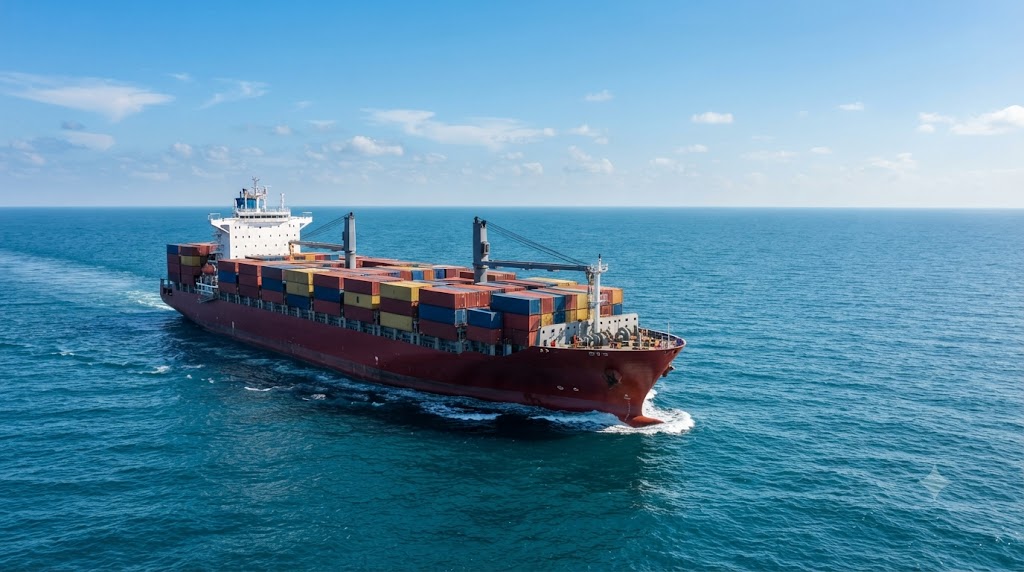
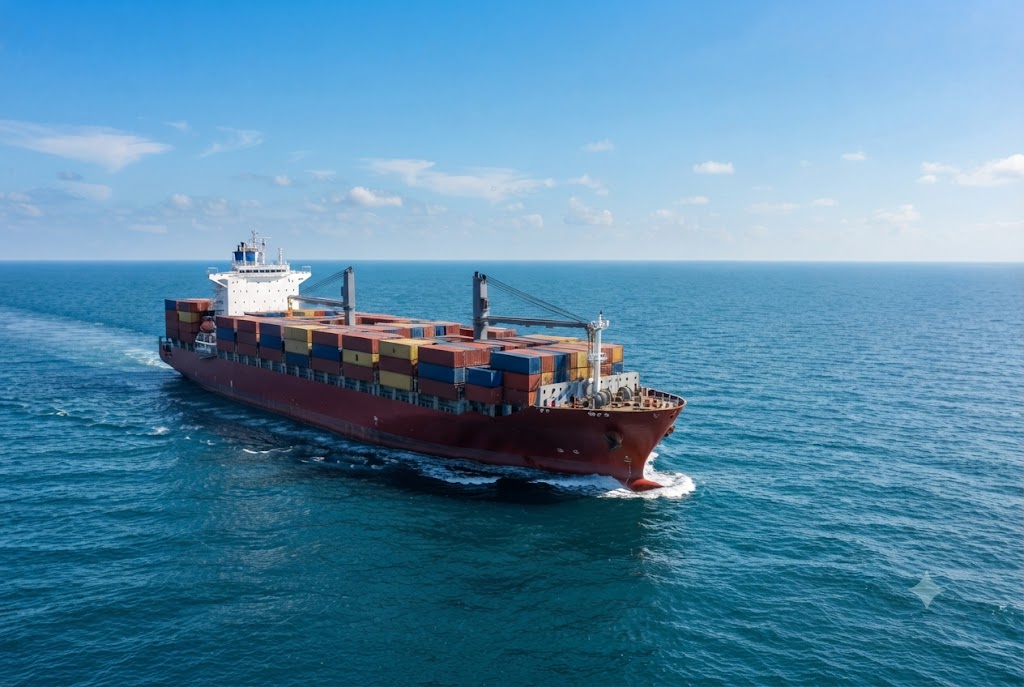
The prohibitive cost of Hormuz transit forces shipping lines to seek safer alternatives. Many operators now route vessels around the Cape of Good Hope to avoid the conflict zone entirely. This detour adds thousands of nautical miles to standard voyages.
Extended transit times trap critical chemical inventory on the open water. Buyers must finance this cargo for longer periods before it reaches the warehouse. This delay strains working capital and disrupts just-in-time manufacturing models significantly.
Furthermore, alternative ports experience sudden and severe congestion. Vessels diverted from the Gulf overwhelm regional infrastructure not designed for such volume spikes. Port congestion at alternative hubs like Durban or Singapore creates secondary delays. This accumulates steep demurrage charges for chemical importers.
Crew fatigue also becomes a major operational concern on these extended voyages. Shipping companies must rotate personnel more frequently to maintain safety standards. These additional human resource costs further inflate the total price of maritime transport.
Strategic Sourcing Adjustments for Procurement Teams
Chemical buyers must adapt their strategies to survive this severe freight volatility. Relying on historical pricing models invites severe financial exposure during geopolitical crises. Proactive diversification is the most effective defense against these logistical shocks.
Diversify supplier geography. Qualify alternative sources in North America or Europe. This reduces exposure to a single maritime chokepoint and provides backup options during regional crises.
Renegotiate Incoterms. Shift from free on board to cost, insurance and freight terms where possible. This transfers the transit risk to the supplier during the most vulnerable shipping phases.
Build strategic inventory buffers. Holding additional safety stock protects against sudden delivery delays. The carrying cost of extra inventory is often far lower than the cost of a production halt.
Implement flexible contract structures. Use hybrid pricing models that share freight volatility risk transparently. This prevents sudden financial shocks when geopolitical events trigger unexpected price spikes.
Prioritize nearshoring initiatives. Sourcing from neighboring countries drastically reduces transit distances. This strategy eliminates exposure to international maritime sanctions and high war-risk premiums entirely.
Evaluating Alternative Feedstock and Processing Routes
Chemical producers are actively exploring alternative processing routes to bypass distant infrastructure. Some facilities are investing heavily in localized production capabilities. This reduces their reliance on long-distance maritime imports significantly.
Others are securing dedicated supply contracts with regional manufacturers. These partnerships minimize transit distances and lower the overall carbon footprint. Buyers should inquire about these resilience investments during routine supplier audits.
Facilities with robust local supply chains represent much lower logistical risk. This due diligence step is critical for maintaining uninterrupted production schedules. Downstream manufacturers rely on consistent chemical deliveries to maintain their own output levels.
Evaluating bio-based or recycled chemical alternatives also helps mitigate risk. These products often have shorter and more transparent supply chains. They provide a viable hedge against maritime routing volatility and insurance spikes.
Buyers must also consider the technical validation required for alternative feedstocks. Switching suppliers often requires extensive quality assurance testing. Planning for this transition time prevents unexpected manufacturing disruptions. Regulatory compliance also plays a major role in supplier selection. Facilities adhering to strict environmental and safety standards offer greater long-term reliability. This alignment supports both cost and compliance objectives for global chemical buyers.
The Bottom Line for Procurement Teams
The 10 percent war-risk insurance premium marks a dangerous escalation in global chemical logistics. Procurement professionals must treat maritime security as a core business priority moving forward.
Audit your current supply chain for single-point exposure immediately. Verify vessel tracking protocols and insurance coverage for all active shipments. Engage suppliers in transparent discussions about their specific contingency plans.
Building resilient sourcing networks requires decisive action before a crisis peaks. The organizations that secure alternative supply routes now will maintain production continuity. Others will face severe operational and financial consequences in the coming quarters. Regular cross-functional meetings between procurement, logistics and finance teams ensure alignment on risk mitigation strategies. This internal collaboration is essential for navigating the complex pricing environment created by sustained high insurance costs.
Ready to source Polyethylene Terephthalate (PET) from verified global suppliers? Explore competitive offers on our platform today.

Polyethylene Terephthalate (PET)
Found this useful?