Water has always been an essential resource for chemical manufacturing, but in 2026 it is becoming one of the industry's most closely monitored ESG indicators. A July 2026 industry publisher's note argues that as water scarcity intensifies, chemical manufacturers must treat water management as a core operational priority rather than a supporting sustainability initiative. For procurement teams, investors and industrial buyers, this shift reflects a broader understanding that water availability directly influences production reliability, operating costs and long-term business resilience.
The conversation has moved beyond reducing water consumption alone. Companies are increasingly focusing on securing reliable water supplies, improving recycling systems and strengthening operational resilience in regions facing growing water stress.
Why Water Has Become a Strategic Business Issue
Chemical production depends on water across nearly every stage of manufacturing.
Water supports cooling systems, chemical reactions, steam generation, cleaning processes and wastewater treatment. Any disruption in water availability can reduce production capacity, increase operating costs and create supply chain challenges.
As climate variability and regional water shortages become more frequent, manufacturers are reassessing how they manage this critical resource.
ESG Reporting Is Expanding Beyond Carbon
Carbon emissions continue to receive significant attention, but water management is becoming a more visible ESG performance indicator.
Stakeholders increasingly expect companies to demonstrate how they:
Reduce freshwater consumption.
Improve water recycling and reuse.
Protect local water resources.
Manage wastewater responsibly.
Assess operational risks related to water scarcity.
Strengthen long-term water resilience.
These disclosures provide a broader view of environmental performance beyond greenhouse gas emissions.
Water Scarcity Directly Affects Supply Chains
Water availability is no longer only an operational concern for manufacturers.
Procurement teams increasingly recognize that suppliers operating in water-stressed regions may face greater risks of production interruptions, regulatory restrictions or rising operating expenses.
For buyers, understanding supplier water strategies has become part of evaluating long-term supply reliability.
Manufacturers Are Investing in Smarter Water Management
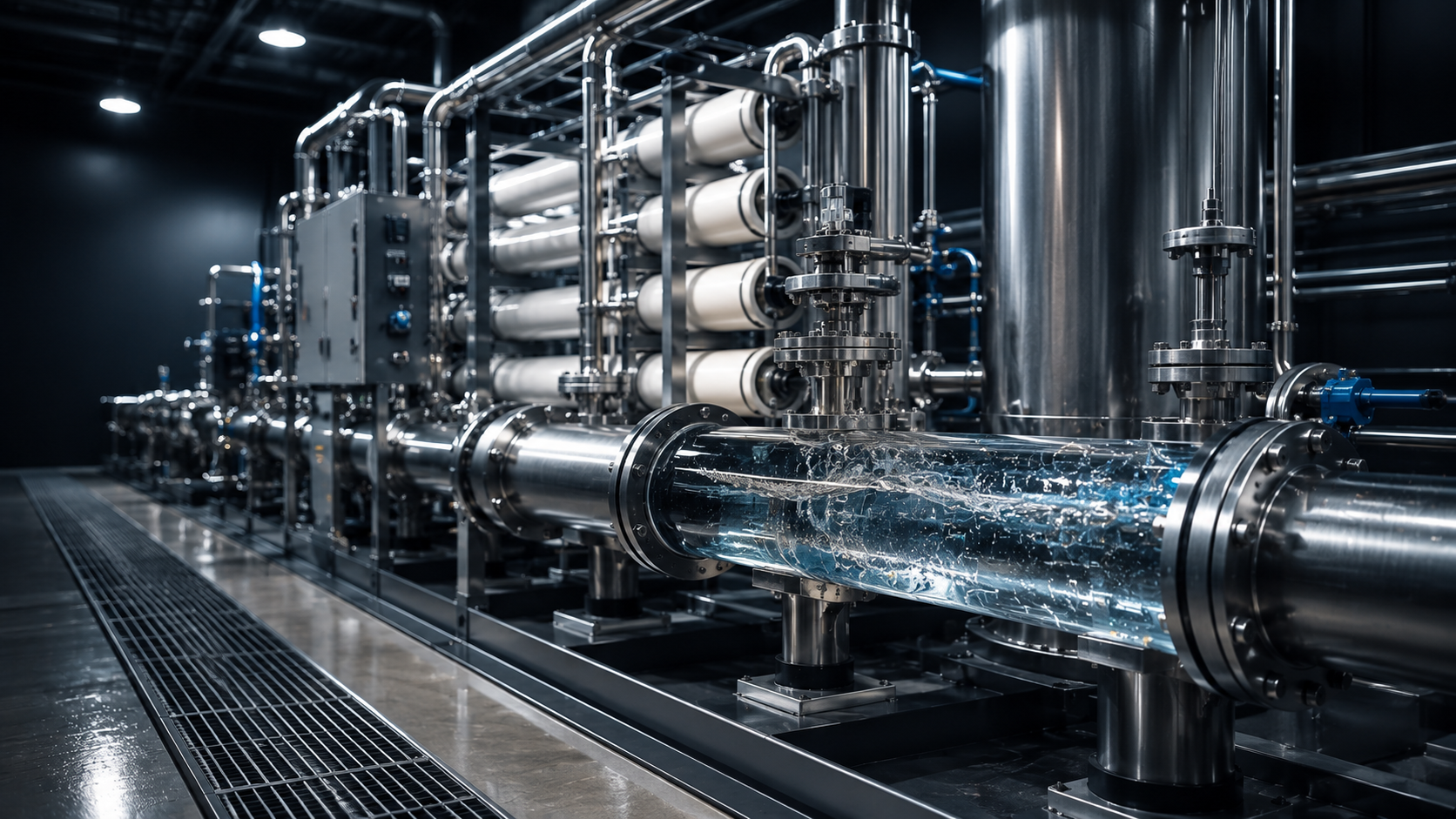
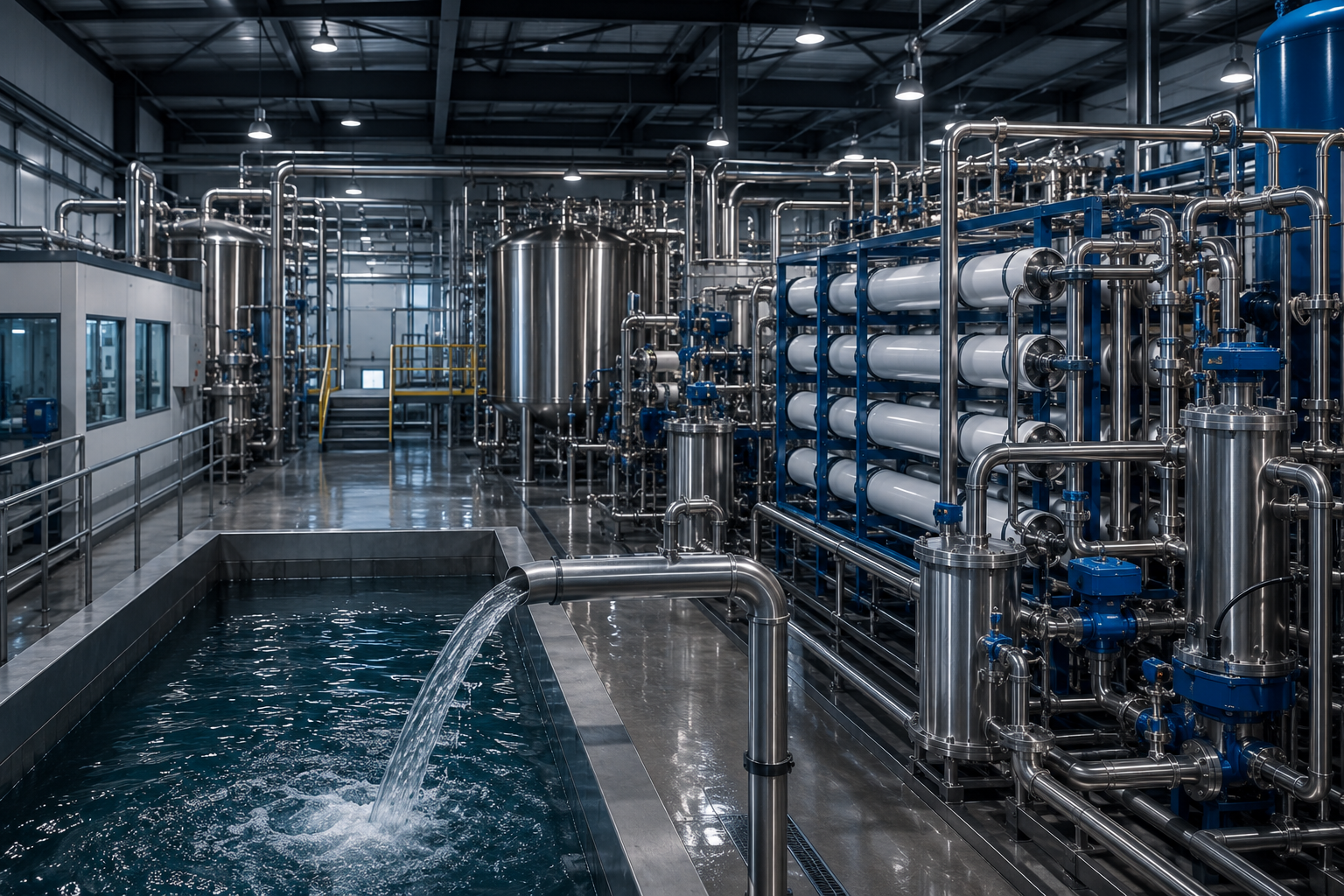
Many chemical producers are expanding investment in technologies that improve water efficiency.
Common initiatives include:
Closed-loop water recycling systems.
Advanced wastewater treatment facilities.
Process optimization to reduce water demand.
Real-time monitoring of water consumption.
Leak detection and maintenance programs.
Water reuse within production processes.
These investments often support both sustainability objectives and operational cost savings.
Water Strategy Is Becoming Part of Capital Allocation
Water infrastructure is increasingly viewed as a strategic investment rather than an environmental expense.
Companies planning new production facilities or expanding existing operations now evaluate long-term water availability alongside energy access, logistics and feedstock supply.
This integrated approach helps reduce operational risk while supporting future production growth.
For investors, capital spending on water resilience may also indicate stronger long-term operational planning.
What Procurement Teams Should Evaluate
Water management is becoming another factor in supplier due diligence.
When assessing suppliers, procurement professionals should consider:
Exposure to regional water stress.
Water recycling capabilities.
Wastewater treatment performance.
Operational contingency planning.
Environmental compliance history.
Investment in water efficiency technologies.
Transparency within ESG reporting.
These factors help identify suppliers that are better prepared for changing environmental conditions.
Water Efficiency Can Improve Competitiveness
Effective water management delivers commercial benefits alongside environmental improvements.
Reduced water consumption can lower operating costs, improve production efficiency and strengthen relationships with regulators and local communities. Companies that invest early in water resilience may also face fewer disruptions during periods of regional water scarcity.
For many manufacturers, water efficiency is becoming both an operational advantage and a competitive differentiator.
What Buyers Should Watch Going Forward
Water scarcity is steadily moving from a sustainability topic to a core business consideration across the chemical industry. As manufacturers strengthen water management strategies, buyers and investors are placing greater emphasis on how companies protect one of their most critical production resources.
For procurement teams, reviewing supplier water practices alongside pricing, quality and emissions performance will become increasingly important. Organizations that combine efficient water management with transparent ESG reporting and resilient operations are likely to be better positioned as environmental expectations continue to evolve.
Ready to source water treatment chemicals from verified global suppliers? Explore competitive offers on our platform today.