Water Treatment Chemicals: GCC H1 Closing Review and H2 Procurement Wave
Introduction
The Gulf Cooperation Council (GCC) region continues to invest heavily in water infrastructure to support rapid industrialization, population growth, and water security initiatives. Water treatment chemicals play a vital role in ensuring the efficient operation of desalination plants, municipal water treatment facilities, wastewater recycling projects, power generation, and industrial processing.
As the first half of 2026 concludes, procurement teams across the GCC are reviewing supplier performance, raw material trends, and project demand while preparing for the H2 procurement cycle. With several infrastructure projects scheduled to progress during the second half of the year, buyers are expected to increase sourcing activity for essential water treatment chemicals.
H1 Market Review
During H1 2026, the GCC water treatment chemicals market remained resilient, supported by continued investment in municipal and industrial water treatment facilities.
Key market developments included:
Stable demand from desalination plants and municipal utilities.
Increased procurement for industrial wastewater treatment projects.
Moderate fluctuations in chemical raw material costs.
Improved freight availability compared to previous years.
Greater emphasis on supplier reliability and regulatory compliance.
Overall, procurement activity remained steady despite ongoing volatility in logistics and global commodity markets.
Key Chemicals Driving Demand
Several water treatment chemicals remained in high demand across GCC industries during H1.
Coagulants and Flocculants
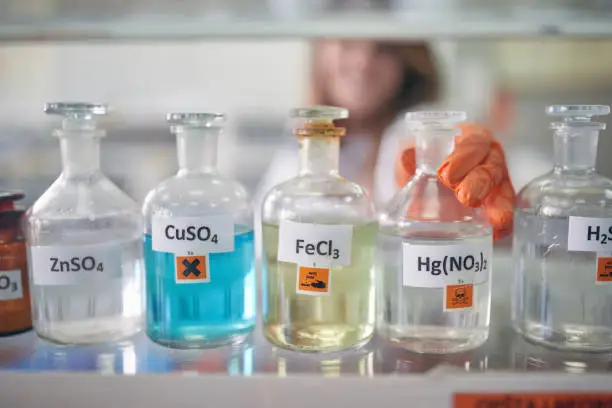
Products such as aluminum sulfate, ferric chloride, and polyaluminum chloride (PAC) continued to support municipal water purification and wastewater treatment operations.
Disinfectants
Chlorine, sodium hypochlorite, chlorine dioxide, and other disinfectants remained essential for maintaining water quality and meeting public health standards.
Scale and Corrosion Inhibitors
Industrial facilities, cooling systems, and desalination plants relied on specialty chemicals to minimize equipment scaling and corrosion.
Biocides
Biocides continued to play a critical role in controlling microbial growth in cooling towers, industrial water systems, and wastewater treatment facilities.
pH Control Chemicals
Caustic soda, sulfuric acid, hydrochloric acid, and lime remained widely used for water chemistry adjustment and treatment process optimization.
Factors Influencing H2 Procurement
Several market drivers are expected to shape procurement decisions across the GCC during the second half of the year.
Infrastructure Development
Ongoing investments in desalination, wastewater reuse, and industrial expansion will continue to generate strong demand for treatment chemicals.
Seasonal Water Demand
Higher water consumption during warmer months often increases operating requirements for municipal treatment facilities.
Raw Material Costs
Fluctuations in energy prices and feedstock costs may influence manufacturing expenses and supplier quotations.
Freight and Logistics
Although shipping conditions have improved, transportation costs remain an important component of total landed cost.
Sustainability Initiatives
Governments across the GCC continue promoting water reuse, resource efficiency, and environmentally responsible treatment technologies.
Procurement Strategies for H2
Organizations can strengthen procurement performance by adopting proactive sourcing strategies.
Secure Long-Term Supply Agreements
Negotiating contracts before peak procurement activity can improve pricing stability and product availability.
Diversify Supplier Networks
Working with multiple qualified suppliers reduces dependency on single sources and improves supply continuity.
Monitor Market Intelligence
Tracking raw material trends, freight developments, and regional infrastructure projects supports better purchasing decisions.
Evaluate Total Landed Cost
Procurement decisions should include logistics, warehousing, customs duties, and supplier reliability in addition to product pricing.
Strengthen Inventory Planning
Maintaining appropriate inventory levels helps prevent operational disruptions during periods of increased demand.
Risks to Watch During H2
Despite a positive market outlook, procurement teams should remain alert to potential challenges.
These include:
Rising energy and chemical production costs.
Freight rate fluctuations.
Delays in international shipping.
Currency exchange volatility.
Supply chain disruptions affecting imported chemicals.
Increased regional project demand creating temporary supply constraints.
Developing contingency sourcing plans can help minimize procurement risks.
H2 Market Outlook
The outlook for the GCC water treatment chemicals market remains positive as governments and private industries continue investing in water security and sustainable infrastructure. Demand is expected to remain strong across desalination, municipal water treatment, industrial processing, and wastewater reuse projects.
Procurement teams that secure supply agreements early, diversify sourcing strategies, and closely monitor market developments will be better positioned to control costs and maintain uninterrupted operations throughout H2.
Conclusion
The H1 2026 review highlights the resilience of the GCC water treatment chemicals market despite ongoing global supply chain and commodity market challenges. As organizations prepare for the H2 procurement wave, strategic sourcing, supplier collaboration, and market intelligence will become increasingly important.
By integrating long-term procurement planning with diversified supplier networks and continuous monitoring of raw material and logistics trends, businesses can strengthen supply chain resilience, optimize procurement costs, and support the region's growing investment in water infrastructure.