Water‑Scarce Food Production: Why Ingredient Suppliers Are Rethinking Processing
Water scarcity has moved from a distant environmental concern to a concrete business risk for the food industry. Ingredient suppliers, who transform raw crops into the building blocks of processed foods, are reassessing every step of their operations to reduce water use, lower costs, and meet consumer expectations for sustainability.
Impact of Water Scarcity on Ingredient Production
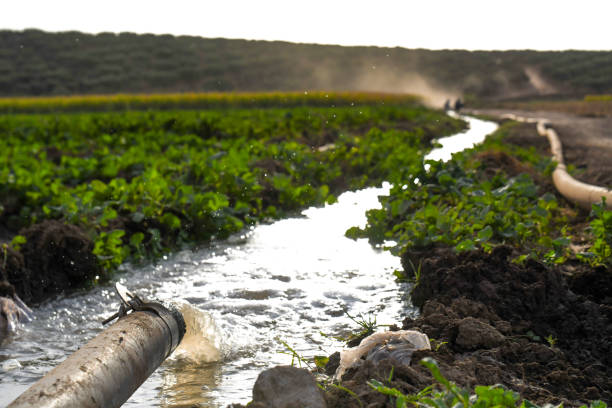
Across the globe, the availability of potable water is decreasingSVG. Droughts, over‑extraction, and climate change are tightening the supply of water for agriculture and downstream processing. Ingredient suppliers that rely on high‑volume water streams for washing, cooling, and cleaning are experiencing higher operating costs and supply chain disruptions.
Rethinking Ingredient Processing
To survive, manufacturers are turning to a suite of water‑efficient technologies and practices. These innovations cut water use by 30‑70% and often generate valuable by‑products that can be repurposed.
Advanced Drying Techniques
Freeze‑drying removes moisture at low temperatures, preserving flavor while using minimal water.
Microwave‑assisted drying shortens processing time, reducing the overall water footprint.
Closed‑Loop Water Systems
Recycling process water within a closed loop eliminates the need for fresh water input. Treatment technologies such as membrane filtration and UV disinfection ensure the recycled water meets food‑grade standards.
Enzymatic and Chemical Pre‑Treatment
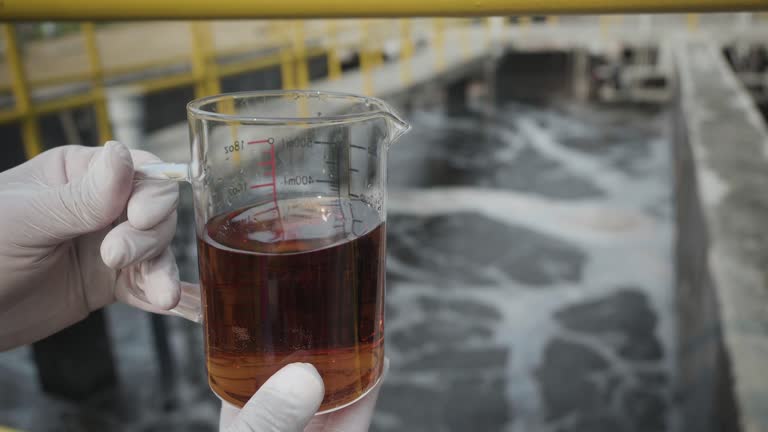
Pre‑treating raw ingredients with enzymes or mild chemicals can reduce the water needed for subsequent washing and extraction steps.
Investment in Water‑Efficient Technologies
Capital expenditure is rising in the sector as suppliers adopt new equipment. The payback period is often shorter than traditional cost models predict because of reduced water bills, lower energy consumption, and enhanced brand value.
Water‑Assisted Extraction (WAE) uses high‑pressure water jets to liberate active compounds from plant tissues.
Membrane Concentration concentrates liquids without evaporation, saving both water and energy.
Smart Sensors monitor real‑time water quality, enabling precise control of treatment processes.
Resource Management Strategies
Beyond technology, suppliers are implementing policies that embed water stewardship into everyday operations.
Setting transparent water‑use targets aligned with global sustainability frameworks.
Conducting regular audits to identify inefficiencies and prioritize upgrades.
Engaging with local water authorities to secure reliable supply agreements and participate in watershed restoration projects.
Sustainable Production Practices
Water‑conservation efforts are now intertwined with broader sustainability initiatives, such as carbon reduction and circular economy principles.
Utilizing by‑product streams from ingredient processing as animal feed or bio‑fuel feedstock.
Adopting renewable energy sources to power water treatment and processing units.
Certifying products under recognized standards like ISO 14001 and the Food Safety Initiative (FSI) to attract eco‑conscious buyers.
Industry Collaboration and Innovation
No single company can solve water scarcity alone. Collaborative ecosystems are emerging, bringing together ingredient suppliers, technology firms, academia, and regulatory bodies.
Consortia that share data on water usage and best practices accelerate adoption of proven solutions.
Research partnerships develop next‑generation enzymes and biodegradable packaging that further reduce water dependency.
Policy advocacy ensures that water‑efficiency incentivesStructure are accessible to mid‑size manufacturers.
Water scarcity is reshaping the food ingredient sector, but it is also spurring innovation that benefits the entire supply chain. By investing in water‑efficient processing technologies, embedding robust resource management, and collaborating across the industry, ingredient suppliers are turning a pressing challenge into a competitive advantage. The result is a more resilient food system that can meet growing global demand while safeguarding the planet’s most precious resource.

Ascorbic Acid
Found this useful?