Weed and Pest Resistance: Why Agrochemical R&D Is Accelerating in 2026 | ChemicalsBlog.com
Agrochemicals & Fertilizers
schedule3 Min Read
Weed and Pest Resistance Drives 2026 R&D Investment
terminal
prodchem
Jul 14, 2026
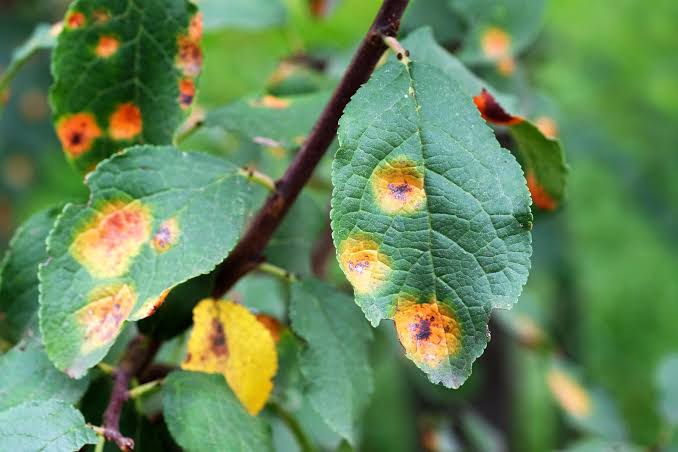
Weed and pest resistance has become one of the biggest challenges facing modern agriculture. As weeds, insects, and plant diseases develop resistance to existing crop protection products, the effectiveness of many traditional herbicides, insecticides, and fungicides continues to decline.
In response, agrochemical companies are increasing investment in research and development (R&D) to discover new active ingredients, improve formulation technologies, and develop combination products that offer broader and more sustainable control. Industry research indicates that resistance management remains a major driver of innovation across the global crop protection sector.
For agrochemical manufacturers, distributors, and procurement professionals, understanding these R&D trends helps anticipate future product demand and long-term sourcing strategies.
Why Resistance Is Increasing
Resistance develops when the same mode of action is used repeatedly over many growing seasons.
Over time, a small number of naturally resistant weeds or pests survive treatment, reproduce, and gradually dominate the population.
Several factors contribute to resistance development:
Repeated use of the same active ingredient
Limited crop rotation
Continuous monocropping
Overreliance on single herbicide programs
Lack of integrated pest management (IPM)
Without proper resistance management, crop protection products gradually lose effectiveness.
How the Industry Is Responding
Agrochemical companies are investing heavily in innovation to extend the useful life of crop protection technologies.
Current R&D priorities include:
New herbicide active ingredients
Novel insecticide chemistry
Improved fungicide formulations
Combination products with multiple modes of action
Biological crop protection solutions
Precision agriculture technologies
These investments aim to provide farmers with more effective tools while slowing the development of resistance.
Manufacturers continue investing in improved formulations and next-generation solutions for widely used crop protection products such as Glyphosate, Glufosinate Ammonium, Atrazine, 2,4-D, Dicamba, and Paraquat. Research is increasingly focused on combining different modes of action to improve field performance while helping delay resistance development.
Combination products are becoming increasingly popular because they contain two or more active ingredients with different modes of action.
Their benefits include:
Improved weed and pest control
Better resistance management
Broader control spectrum
Reduced reliance on a single chemistry
Greater flexibility for growers
When used correctly alongside integrated crop management practices, combination products can help preserve the effectiveness of existing chemistries.
Procurement Considerations
For procurement professionals, resistance-driven innovation creates new sourcing priorities.
Key considerations include:
Evaluating new active ingredient suppliers
Monitoring product registrations
Reviewing formulation quality
Understanding mode-of-action classifications
Assessing supplier R&D capabilities
Tracking regulatory approvals
Companies that remain informed about new product developments can respond more effectively to changing market demand.
Looking Ahead
Resistance management will continue to shape the future of the agrochemical industry. As traditional crop protection products face increasing resistance pressure, investment in new chemistry, biological solutions, and advanced formulations is expected to accelerate.
For manufacturers, distributors, and procurement teams, staying informed about research developments and emerging technologies will be essential for maintaining competitive product portfolios and supporting sustainable agricultural production.
Key Takeaways
Resistance is reducing the effectiveness of many traditional crop protection products.
Agrochemical companies are increasing investment in R&D.
Combination products help delay resistance development.
New active ingredients and biological solutions are becoming strategic priorities.
Procurement teams should monitor innovation trends and supplier capabilities.