What the Umm Shaif Gas Cap Contract Means for Gulf Ammonia and Urea Supply
Abu Dhabi's largest offshore gas project just picked up its lead offshore contractor. India's Larsen & Toubro, through its subsidiary LTEH Offshore, has been awarded what the company calls an "ultra mega" contract, a term it reserves for orders above roughly $1.57 billion, as part of ADNOC's $6.2 billion final investment decision on the Umm Shaif Gas Cap. For nitrogen fertilizer buyers, the headline is not the construction contract itself. It is what the gas underneath it will eventually feed.
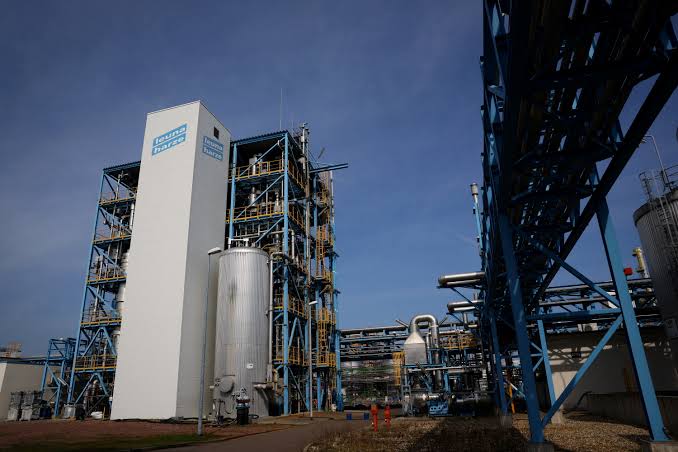
Once online, the project is expected to add more than 600 million standard cubic feet a day of natural gas and associated gas liquids, close to 10 percent of the UAE's current daily gas consumption. A meaningful share of that gas ultimately flows toward the country's downstream chemical complex at Al Ruwais, where Fertiglobe and its parent ADNOC run some of the region's largest ammonia and urea plants.
What the Umm Shaif Gas Cap Project Actually Involves
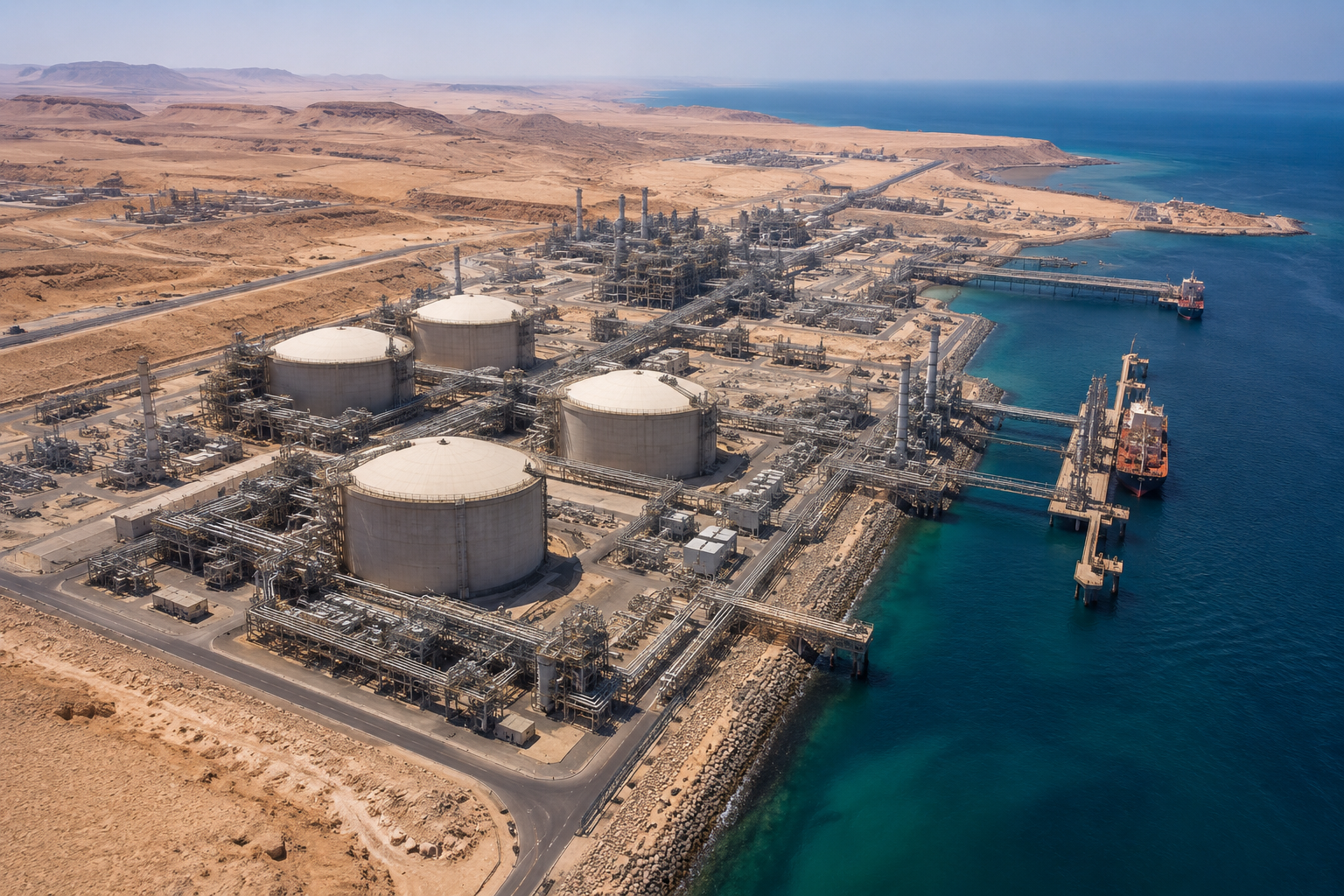
Umm Shaif is Abu Dhabi's longest producing offshore field, in operation since the 1960s. The current expansion, jointly developed by ADNOC with TotalEnergies, Eni and China National Petroleum Corporation, is designed to boost gas production by 550 million cubic feet a day and lift associated condensate output by 50,000 barrels a day.
The FID includes three EPC packages worth a combined $5.1 billion:
First offshore package, fabrication of a 30,000 tonne gas compression system, awarded to L&T's LTEH Offshore in consortium with Saudi Arabia and UAE based Lamprell.
Second offshore package, a matching 30,000 tonne compression system, awarded to McDermott.
Onshore package, engineering, procurement and construction of gas inlet and processing systems on Das Island, awarded to China Petroleum Engineering and Construction Company.
Separately, ADNOC Drilling secured a $365 million contract covering fourteen wells over eighteen months using three existing rigs. First gas is targeted for 2030.
Why Gulf Ammonia and Urea Producers Are Watching This Deal
The UAE's nitrogen fertilizer business runs almost entirely on domestic gas feedstock. Fertiglobe, majority owned by ADNOC since 2024, is the world's largest seaborne exporter of urea and ammonia combined, shipping to more than 50 countries with roughly a 10 percent share of global trade in those two products.
Its flagship UAE plant, Fertil, sits inside ADNOC's Ruwais downstream complex and has run on Abu Dhabi associated gas since the 1980s. A larger, more reliable gas base from projects like Umm Shaif supports the feedstock security that ammonia and urea producers depend on to keep utilization rates high.
Gas cap developments like Umm Shaif add associated gas liquids alongside the dry gas stream, which matters for condensate and NGL pricing as well as fuel gas supply.
ADNOC has already layered new low carbon ammonia capacity onto this feedstock base, including a blue ammonia facility in the TA'ZIZ Industrial Chemicals Zone adjacent to Ruwais.
Buyers sourcing ammonia or urea out of the UAE are effectively exposed to the reliability of the same upstream gas infrastructure now being expanded through Umm Shaif.
Feedstock Security and the Economics of Nitrogen Fertilizer Production
Nitrogen fertilizer economics are largely a function of gas price and gas reliability. Producers with stable, low cost domestic feedstock hold a structural cost advantage over regions that import gas or LNG to run their ammonia plants.
The Umm Shaif expansion, alongside the recently approved Bab Gas Cap concession, is part of a broader ADNOC push to grow domestic gas supply while also expanding LNG exports through a new marketing platform based in Abu Dhabi Global Market. That platform is targeting 47 million tonnes a year of marketable LNG capacity by 2035.
For procurement teams, the practical takeaway is straightforward. More secured upstream gas volume reduces the odds of feedstock curtailment reaching downstream ammonia and urea plants, which historically has been one of the more disruptive risks in Gulf sourced nitrogen fertilizer supply.
Supply Chain Complexity Behind an Ultra Mega Offshore Contract
A project of this scale pulls in a wide subcontractor and equipment base. Offshore gas cap developments typically require:
Specialized fabrication yards capable of building 30,000 tonne gas compression modules.
Heavy lift and installation vessels to move and position offshore structures.
Subsea infrastructure contractors for pipelines, risers and tie ins.
Logistics providers coordinating steel, equipment and manpower flows across UAE, Saudi and Indian yards given the LTEH Offshore and Lamprell consortium structure.
L&T's execution timeline on Umm Shaif will be closely watched relative to its prior Gulf contracts, given the scale of the award and the number of parties involved across the offshore and onshore packages.
What This Means for Chemical Procurement Teams
Buyers do not need to track offshore construction milestones directly. What matters more is the medium term supply signal.
A project targeting first gas by 2030 will not shift feedstock availability this year or next. It does, however, reinforce the UAE's positioning as a low cost, gas secure producer of ammonia and urea heading into the next decade, at a time when several competing nitrogen fertilizer regions face gas curtailment or higher feedstock costs.
Buyers with long term offtake or contract relationships tied to Fertil or Fertiglobe volumes can reasonably factor this expansion into supply reliability assessments, particularly for contracts extending into the 2028 to 2032 window.
Risks Buyers Should Track Through 2030
Execution timeline risk. Ultra mega offshore projects with multiple contractors and consortium partners carry schedule risk, and delays on compression or drilling packages could push first gas beyond 2030.
Consortium coordination. With LTEH Offshore, Lamprell, McDermott and CPECC each handling separate packages, interface issues between offshore and onshore scopes are worth monitoring.
Broader regional gas allocation. As the UAE grows LNG export capacity alongside domestic petrochemical demand, buyers should watch how ADNOC balances export commitments against feedstock supply to Ruwais.
What Buyers Should Do Now
Track the Umm Shaif project timeline as a proxy for UAE nitrogen fertilizer feedstock reliability rather than as an isolated construction story. Buyers with Gulf sourced ammonia or urea contracts should ask suppliers directly how upstream gas expansions like this factor into their own long range supply planning.
It is also worth watching whether Fertiglobe or ADNOC signal any capacity additions tied to the incremental gas volumes, since that would be the clearer indicator of when this project actually changes available export tonnage rather than just underlying feedstock security.
Liquid Ammonia
Found this useful?