Introduction
Phosphorus is a cornerstone of modern agriculture, feeding billions of people and underpinning the production of countless food ingredients. China, as the world’s largest exporter of phosphate rock, wields significant influence over global fertilizer markets. Recent shifts in China’s export policy—most notably its decision to withhold shipments until August—have sent shockwaves through the supply chain. For food ingredient buyers, understanding and tracking these trade signals is no longer optional; it is essential for managing cost volatility and mitigating risk.
China’s Export Policy and Its Impact on Fertilizer Markets
The August Shipment Withholding
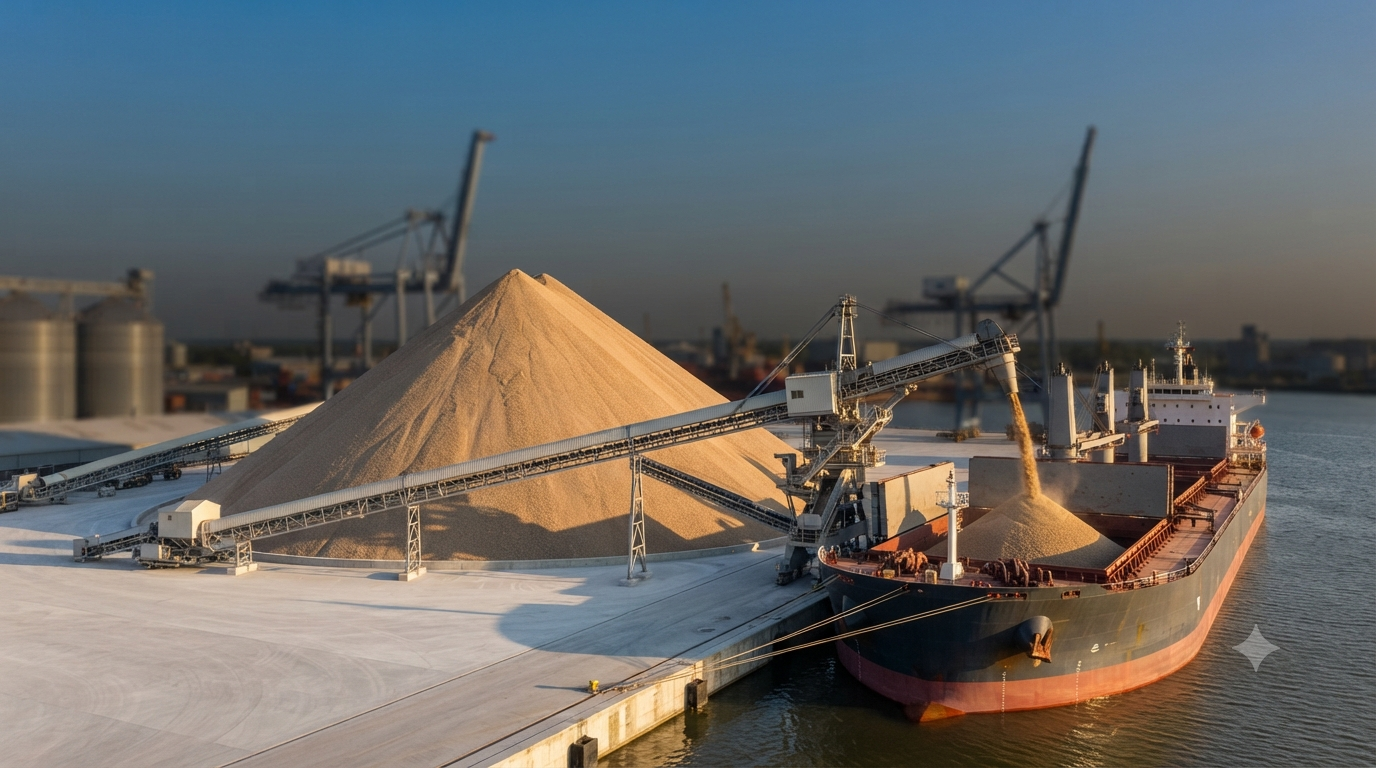
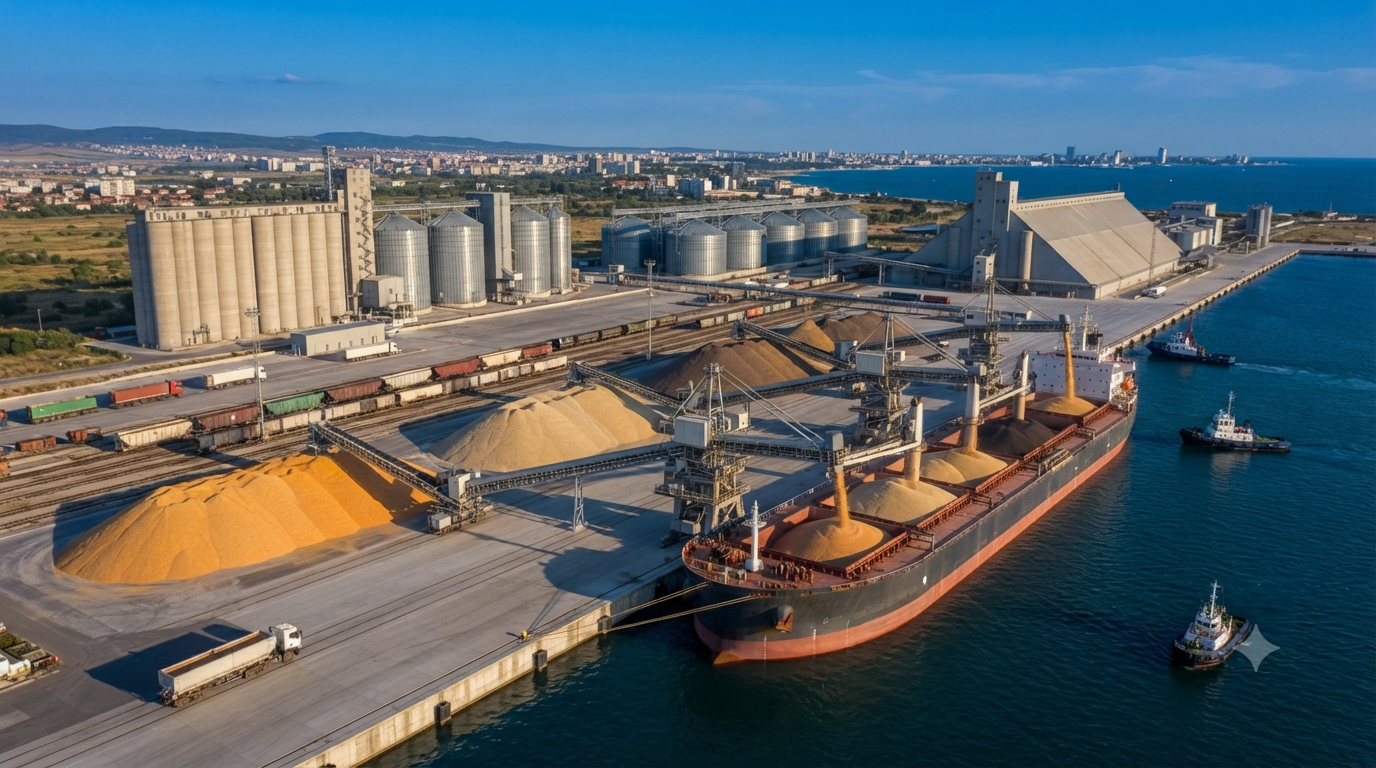
In late May, China’s State Administration of Market Regulation announced a temporary halt on phosphate exports until August. This move was designed to stabilize domestic supply, support local farmers, and respond to rising global demand. The policy shift led to an immediate spike in global phosphate prices, with futures contracts surging by nearly 15% in the first week of the ban.
Domestic output surged as producers redirected output to local markets.
International buyers faced a sudden shortage of readily available phosphate rock.
Fertilizer manufacturers increased prices to reflect higher raw‑material costs.
Early Warning Signals for Food Ingredient Buyers
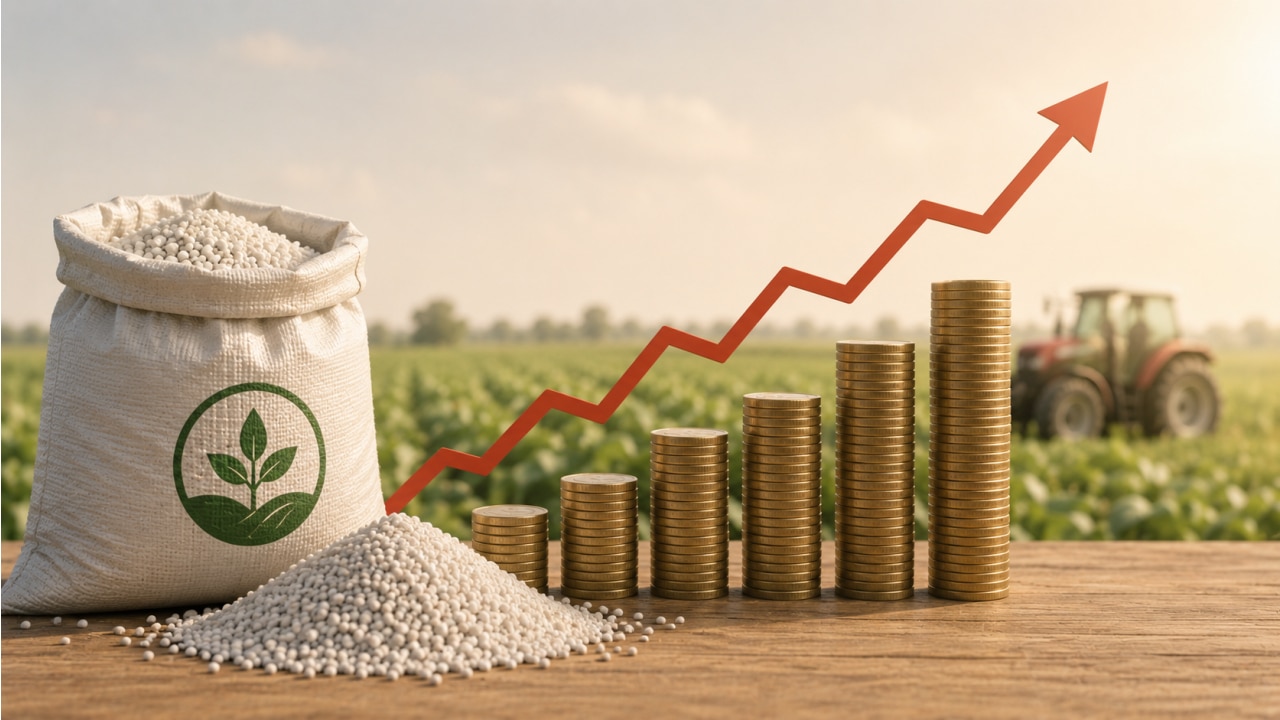
The cost of fertilizer is a key input for crop production. When phosphate prices rise, the cost of each kilogram of fertilizer goes up, which in turn raises the cost of growing crops such as corn, wheat, and soybeans. These price increases often cascade into higher prices for processed food ingredients that rely on those crops.
Supply Chain Risk Amplification
Phosphate scarcity can trigger a chain reaction:
Farmers may reduce planting acreage or switch to lower‑yield varieties.
Crop yields decline, tightening supply for food processors.
Processing plants experience volatile raw‑material costs, forcing them to adjust pricing or delay production.
Retailers and consumers face higher prices or shortages.
Practical Steps to Monitor Phosphate Trade Signals
Data Sources
International trade databases such as UN Comtrade and the USDA Foreign Agricultural Service.
Phosphate futures markets on exchanges like ICE and CME.
Industry reports from the International Fertilizer Association and China’s Ministry of Commerce.
Satellite imagery and AI analytics that track mining activity.
Analysis Techniques
To translate raw data into actionable insights, buyers should:
Track month‑on‑month changes in export volumes and compare them to historical trends.
Correlate phosphate price movements with spot fertilizer prices.
Use scenario modeling to assess potential impacts on crop yields and ingredient costs.
Set threshold alerts for price spikes that trigger procurement reviews.
Bottom Line for Food Ingredient Buyers
China’s phosphate export policy is a bellwether for global fertilizer markets. By monitoring trade signals—export volumes, price indices, and policy announcements—food ingredient buyers can anticipate shifts in crop input costs and supply chain risks. Early detection allows for strategic sourcing, hedging, and inventory management, ultimately safeguarding margins and ensuring a resilient supply chain. In a world where volatility is the new normal, staying attuned to China’s phosphate trade signals is a prudent, forward‑looking investment.