Woodside vs CF Industries: Diverging Strategies for Low-Carbon Ammonia
Woodside's review of its Texas unit and CF Industries' continued investment in low-carbon ammonia illustrate two very different responses to the same rapidly changing commodity chemical market. Their contrasting approaches provide a useful benchmark for understanding how companies are assessing the commercial prospects of lower-carbon ammonia in 2026.
Ammonia already plays a central role in fertilizer production, while emerging applications could expand its role in energy and industrial markets. Yet developing lower-carbon production requires significant capital, dependable energy inputs, infrastructure and customers willing to support the resulting economics.
For chemical traders, importers and procurement managers, these strategic differences matter because they can influence future supply availability, project pipelines and pricing structures. The competing approaches also show why low-carbon ammonia remains a market shaped by both long-term opportunity and near-term commercial discipline.
Why Low-Carbon Ammonia Has Attracted Investment
Conventional ammonia production relies heavily on fossil-based hydrogen and generates significant carbon emissions. Lower-carbon production pathways aim to reduce that footprint through technologies such as carbon capture or renewable hydrogen.
The potential market extends beyond traditional fertilizer demand. Ammonia can also feature in emerging energy applications, industrial processes and international energy trading strategies.
This combination has encouraged major chemical and energy companies to explore new projects. However, the business case depends on more than technical feasibility.
Projects must also address:
Feedstock and energy availability.
Capital expenditure requirements.
Carbon management infrastructure.
Transportation and storage capacity.
Long-term customer demand.
Regulatory incentives and requirements.
Price competitiveness against conventional ammonia.
These factors can determine whether a proposed facility moves from development to commercial operation.
Woodside's Texas Review Signals Greater Commercial Selectivity
Woodside's decision to review its Texas unit demonstrates the pressure that developers face when evaluating low-carbon chemical investments. Project economics can change as construction costs, energy prices, regulatory conditions and expected customer demand evolve.
A project review does not necessarily remove the broader interest in lower-carbon ammonia. Instead, it can indicate that companies are becoming more selective about which projects justify continued investment.
For chemical buyers, this distinction matters. Announced capacity does not automatically translate into available supply, and project reviews can change expectations about when new material will enter the market.
Traders should therefore track projects according to their development stage rather than treating every announced facility as future operating capacity.
CF Industries Maintains a Different Strategic Position
CF Industries' continued low-carbon ammonia investment presents a contrasting strategy. The company is maintaining its commitment to developing lower-carbon production despite the commercial uncertainties affecting the sector.
This approach reflects a longer-term view of ammonia demand and the potential value of lower-carbon products. Companies pursuing this strategy may be positioning themselves for markets where emissions performance becomes an increasingly important purchasing criterion.
The contrast with Woodside demonstrates that companies can interpret the same market signals differently. One may emphasize capital discipline and project economics, while another may prioritize early positioning in an emerging market.
For procurement teams, these differences create a more complex supplier landscape.
What the Divergence Means for Ammonia Supply
Strategic decisions by major producers can affect future supply growth. If multiple projects proceed, the market could gain additional lower-carbon ammonia capacity and greater geographic diversity.
If projects face delays, reviews or cancellations, supply expansion may occur more slowly. This could keep lower-carbon ammonia relatively constrained and potentially increase the value of verified low-emissions supply.
The distinction between conventional and lower-carbon ammonia could become increasingly important in international trade. Buyers may eventually need to evaluate not only chemical grade and delivery terms but also the carbon characteristics associated with production.
This creates a new dimension for commodity traders. Product differentiation could increasingly depend on how ammonia is produced, not simply where it is produced.
Cost Remains a Central Challenge
Low-carbon ammonia must compete with established production while absorbing additional costs associated with new technologies and infrastructure.
Carbon capture projects require suitable capture and storage systems. Renewable hydrogen pathways can require significant investments in renewable power and electrolyzer capacity.
The final economics depend on local conditions. Electricity prices, natural gas costs, carbon policy, infrastructure availability and financing conditions can all affect the competitiveness of individual projects.
For procurement managers, this means a lower-carbon specification may carry a premium. Buyers need to assess whether that premium creates commercial value through regulatory compliance, customer demand or corporate emissions targets.
Why Project Economics Can Diverge
Two companies can reach different investment decisions even when they operate in the same subsector. Their capital structures, project locations, customer relationships and strategic priorities can produce very different risk assessments.
Location plays an especially important role. A Texas-based ammonia project may benefit from established chemical infrastructure and energy resources while also facing specific challenges related to carbon management, electricity markets and logistics.
Customer commitments can also influence investment confidence. Long-term purchase agreements can provide greater visibility than speculative demand forecasts.
This makes project-level analysis important for traders. The same low-carbon ammonia technology can have very different commercial prospects depending on its surrounding ecosystem.
Implications for Fertilizer Procurement
Fertilizer manufacturers remain major ammonia consumers, which means changes in ammonia production strategy can affect downstream supply chains.
Procurement teams should consider whether future ammonia requirements will include specific emissions criteria. If customers or regulators introduce stronger carbon-related requirements, access to lower-carbon feedstock could become commercially important.
Buyers can prepare by:
Mapping current ammonia suppliers and production origins.
Identifying potential exposure to carbon-related regulations.
Monitoring lower-carbon ammonia projects in key production regions.
Assessing the availability of certified lower-carbon material.
Comparing conventional and lower-carbon supply costs.
Considering longer-term contracts where supply security justifies them.
This approach allows procurement teams to respond before carbon specifications become an urgent purchasing requirement.
CF Industries Maintains a Different Strategic Position
CF Industries' continued low-carbon ammonia investment presents a contrasting strategy. The company is maintaining its commitment to developing lower-carbon production despite the commercial uncertainties affecting the sector.
This approach reflects a longer-term view of ammonia demand and the potential value of lower-carbon products. Companies pursuing this strategy may be positioning themselves for markets where emissions performance becomes an increasingly important purchasing criterion.
The contrast with Woodside demonstrates that companies can interpret the same market signals differently. One may emphasize capital discipline and project economics, while another may prioritize early positioning in an emerging market.
For procurement teams, these differences create a more complex supplier landscape.
[IMAGE PLACEHOLDER 1]
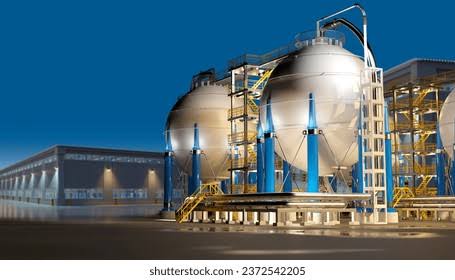
[IMAGE PLACEHOLDER 1] Dimensions: 1200 x 800 px AI Image Prompt: "Photorealistic low-carbon ammonia production facility in Texas with large ammonia storage vessels, hydrogen processing equipment and industrial workers in protective clothing inspecting the plant, realistic modern chemical infrastructure, clean blue sky and professional industrial lighting, no charts, no data visualizations, no text, no labels, no logos."
What the Divergence Means for Ammonia Supply
Strategic decisions by major producers can affect future supply growth. If multiple projects proceed, the market could gain additional lower-carbon ammonia capacity and greater geographic diversity.
If projects face delays, reviews or cancellations, supply expansion may occur more slowly. This could keep lower-carbon ammonia relatively constrained and potentially increase the value of verified low-emissions supply.
The distinction between conventional and lower-carbon ammonia could become increasingly important in international trade. Buyers may eventually need to evaluate not only chemical grade and delivery terms but also the carbon characteristics associated with production.
This creates a new dimension for commodity traders. Product differentiation could increasingly depend on how ammonia is produced, not simply where it is produced.
Cost Remains a Central Challenge
Low-carbon ammonia must compete with established production while absorbing additional costs associated with new technologies and infrastructure.
Carbon capture projects require suitable capture and storage systems. Renewable hydrogen pathways can require significant investments in renewable power and electrolyzer capacity.
The final economics depend on local conditions. Electricity prices, natural gas costs, carbon policy, infrastructure availability and financing conditions can all affect the competitiveness of individual projects.
For procurement managers, this means a lower-carbon specification may carry a premium. Buyers need to assess whether that premium creates commercial value through regulatory compliance, customer demand or corporate emissions targets.
Why Project Economics Can Diverge
Two companies can reach different investment decisions even when they operate in the same subsector. Their capital structures, project locations, customer relationships and strategic priorities can produce very different risk assessments.
Location plays an especially important role. A Texas-based ammonia project may benefit from established chemical infrastructure and energy resources while also facing specific challenges related to carbon management, electricity markets and logistics.
Customer commitments can also influence investment confidence. Long-term purchase agreements can provide greater visibility than speculative demand forecasts.
This makes project-level analysis important for traders. The same low-carbon ammonia technology can have very different commercial prospects depending on its surrounding ecosystem.
Implications for Fertilizer Procurement
Fertilizer manufacturers remain major ammonia consumers, which means changes in ammonia production strategy can affect downstream supply chains.
Procurement teams should consider whether future ammonia requirements will include specific emissions criteria. If customers or regulators introduce stronger carbon-related requirements, access to lower-carbon feedstock could become commercially important.
Buyers can prepare by:
Mapping current ammonia suppliers and production origins.
Identifying potential exposure to carbon-related regulations.
Monitoring lower-carbon ammonia projects in key production regions.
Assessing the availability of certified lower-carbon material.
Comparing conventional and lower-carbon supply costs.
Considering longer-term contracts where supply security justifies them.
This approach allows procurement teams to respond before carbon specifications become an urgent purchasing requirement.
Ammonia Anhydrous
Found this useful?