Yara Redirects Capital to the 1.3 Million-Tonne Gulf Coast Ammonia Facility
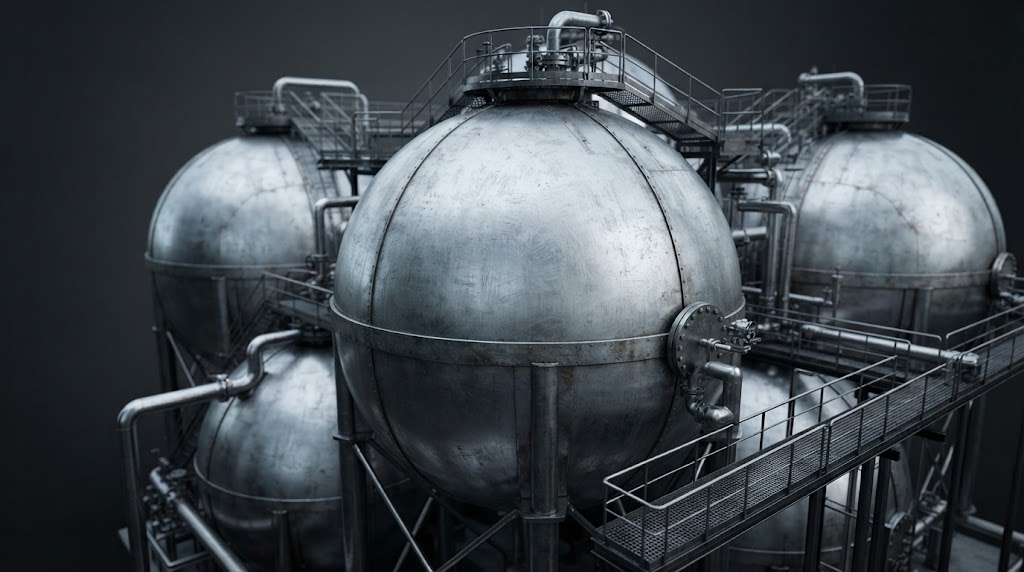
The global fertilizer market is witnessing a major strategic pivot as Yara redirects its investment focus toward conventional production assets. The company will reallocate capital to acquire the 1.3 million-metric-tons-per-year Gulf Coast Ammonia facility at Texas City. This decisive move abandons previous plans for low-carbon projects in favor of securing massive immediate volume. Procurement managers and chemical traders must evaluate how this acquisition reshapes North American export dynamics. Buyers relying on steady ammonia supply for agricultural and industrial applications need to understand the shift away from carbon capture integration. Securing reliable feedstock now takes precedence over future green premiums. Ignoring this capital reallocation exposes organizations to unexpected supply tightness in conventional markets. Strategic agility remains essential for navigating these shifting investment priorities.
The Strategic Pivot to Texas City Ammonia Assets
Yara originally earmarked significant capital for blue ammonia projects in Louisiana. The decision to acquire the Texas City facility instead marks a definitive return to conventional chemical manufacturing fundamentals. This 1.3 million-metric-tons-per-year plant provides immediate large-scale production capacity without the developmental delays of new builds.
The broader mergers and acquisitions landscape for chemical assets heavily favors operational readiness. Permitting new greenfield sites in the United States takes years of regulatory review. Acquiring an active facility bypasses these severe developmental bottlenecks entirely.
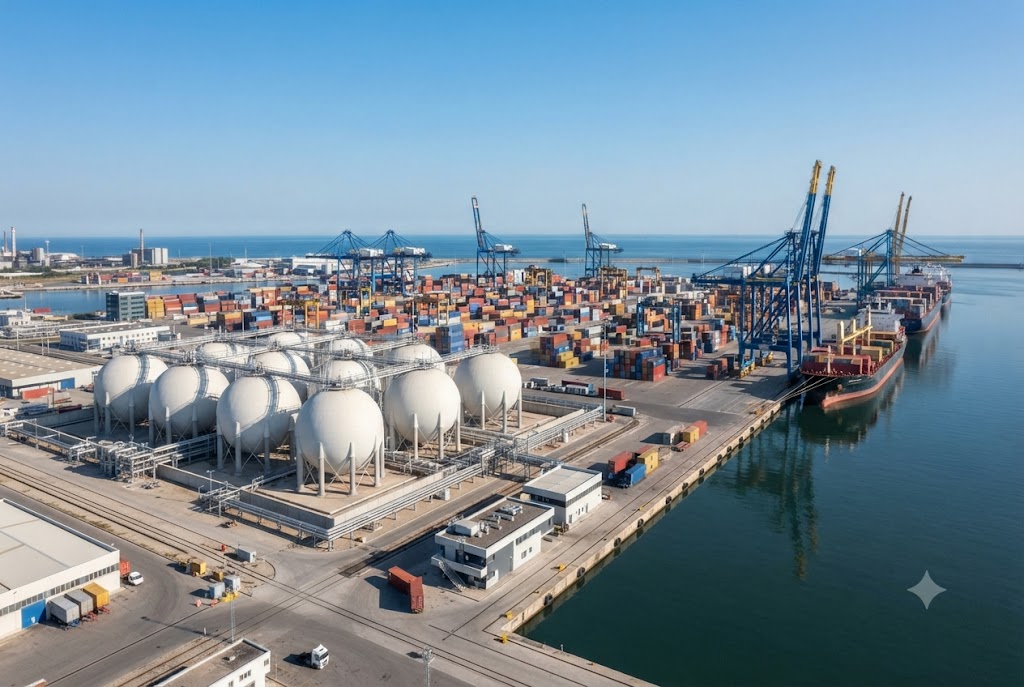
The Gulf Coast Ammonia facility sits in a prime logistical hub. Texas City offers deep-water port access and extensive pipeline connectivity. This infrastructure allows for efficient distribution to both domestic agricultural markets and global export terminals.
Buyers benefit directly from this operational readiness. Acquiring an existing asset bypasses the multi-year construction timelines associated with greenfield projects. This ensures that substantial volume enters the market much faster than newly proposed clean energy complexes.
Economic Realities of Carbon Capture Integration
A critical detail of this acquisition is the explicit lack of current plans to add carbon capture. This decision highlights the severe economic hurdles currently facing blue and green ammonia projects. High interest rates and inflated construction costs make carbon sequestration infrastructure financially challenging.
Carbon capture technology also imposes a parasitic energy load on the host plant. This energy penalty reduces the net saleable output of the primary chemical product. Yara clearly determined that maximizing pure production volume offers better immediate financial returns than chasing green premiums.
Conventional grey ammonia remains the undisputed workhorse of the global nitrogen market. It offers the lowest production cost and highest energy efficiency. Yara recognizes that immediate market demand prioritizes affordable high-volume fertilizer over premium-priced low-carbon alternatives.
Procurement teams must adjust their forecasting models to reflect this reality. The anticipated flood of cheap blue ammonia from the US Gulf Coast will not materialize on previous timelines. Buyers must secure conventional volumes to meet immediate agricultural and industrial needs.
Impact on North American Fertilizer Supply Chains
Adding 1.3 million metric tons of annual capacity under Yara management significantly alters regional trade flows. The United States already serves as a critical swing supplier for global nitrogen markets. This acquisition strengthens its position as a dominant export hub.
Domestic fertilizer blenders and distributors will see enhanced supply security. A major global player controlling this massive Texas City asset ensures stable baseline availability. This stability helps buffer the agricultural sector against extreme price volatility during peak planting seasons.
Downstream derivative manufacturers also benefit significantly from this steady local feedstock. Producers of urea, ammonium nitrate and other derivatives rely on consistent ammonia deliveries to maintain their own operating rates. A stable regional supply chain prevents costly shutdowns across the entire nitrogen value chain.
Increased export competitiveness for US-origin nitrogen products. Global buyers will look to the Gulf Coast for reliable spot and contract volumes.
Enhanced logistical efficiency through established Texas City infrastructure. The facility connects directly to major shipping lanes and inland rail networks.
Stabilized baseline pricing for conventional fertilizer grades. Massive scale prevents severe supply deficits during periods of high seasonal demand.
Securing Conventional Ammonia Volumes for Global Buyers
International procurement teams must recognize the strategic value of this Texas City asset. Yara possesses a vast global distribution network. The company will likely integrate this new production volume into its existing international supply chains.
Buyers in Europe, South America and Asia should anticipate shifts in export allocations. The company may prioritize its own downstream markets over merchant spot sales. Independent traders and importers must act quickly to secure remaining available volumes.
Contract structures will likely evolve to reflect this new supply reality. Buyers should expect suppliers to push for stricter take-or-pay clauses to guarantee revenue. Understanding these commercial terms is vital for protecting your own profit margins during negotiations.
Negotiating long-term offtake agreements becomes crucial in this environment. Suppliers favor buyers who provide predictable demand and reliable logistical execution. Building strong commercial relationships with the new asset owners ensures priority access during tight market cycles.
Navigating the Gulf Coast Export Infrastructure
The Texas City location provides distinct logistical advantages for global chemical trade. The port handles massive volumes of bulk liquids, specialized chemical cargoes and dry bulk. This established infrastructure reduces the friction and cost of loading large maritime vessels.
Procurement managers must factor these logistical efficiencies into their total landed cost calculations. Sourcing from the US Gulf Coast often provides a competitive freight advantage to international buyers. Direct water access eliminates the need for costly inland transshipment.
Weather events and seasonal hurricanes frequently disrupt Gulf Coast operations. Buyers must build adequate safety stock to survive these predictable regional disruptions. Maintaining strategic inventory buffers at destination ports provides essential operational continuity.
However port congestion and vessel availability remain persistent variables. Buyers must coordinate closely with shipping agents to secure timely berths. Advanced planning for maritime logistics prevents costly demurrage charges and delivery delays.
Sustainability Mandates Versus Supply Security
This capital reallocation sparks a broader debate within the chemical industry. Corporate sustainability mandates heavily promote low-carbon feedstocks and green chemistry initiatives. Yet the fundamental need for affordable food production demands massive volumes of conventional fertilizer.
Yara proves that supply security currently outweighs green premiums in capital allocation. Farmers require affordable nitrogen to maintain crop yields and global food security. Premium-priced blue ammonia struggles to find sufficient buyers willing to absorb the extra cost.
Procurement professionals face a difficult balancing act. They must satisfy internal ESG targets while ensuring uninterrupted production and agricultural supply. Sourcing conventional ammonia from highly efficient modern facilities like Texas City offers a pragmatic middle ground.
Buyers should continue monitoring the facility for future sustainability upgrades. While no carbon capture plans exist today, evolving regulations or new subsidy structures could prompt future investments. Maintaining an open dialogue with suppliers keeps buyers informed of potential green transitions.
What Procurement Teams Should Do Now
Procurement leaders must adapt their sourcing strategies to accommodate this massive capacity shift. Conduct a comprehensive audit of your current nitrogen and fertilizer supply chains. Identify any dependencies on anticipated low-carbon volumes that are now delayed or cancelled.
Initiate immediate discussions with major Gulf Coast producers and distributors. Secure flexible contract terms that guarantee baseline volume access from the Texas City facility. Diversifying your supplier base across multiple global regions remains the best defense against localized disruptions.
Invest in advanced market intelligence tools to track US export flows and maritime freight rates. Early visibility into shipping schedules allows procurement teams to optimize their inventory management proactively. Building organizational resilience ensures uninterrupted operations in a highly competitive global market.
Ready to source Ammonia Anhydrous from verified global suppliers? Explore competitive offers on our platform today.
Ammonia Anhydrous
Found this useful?