The global fertilizer market has shown renewed momentum, with major producers reporting stronger sales as agricultural demand stabilized and nutrient markets recovered. Among the industry's leading companies, Yara International has strengthened its financial position while continuing to invest in one of the fertilizer sector's most significant long-term developments green ammonia.
Yara's strategy combines conventional nitrogen fertilizer production with investments in low-carbon ammonia technologies. This dual approach positions the company to serve both today's agricultural markets and the growing demand for more sustainable fertilizer solutions.
For procurement professionals, understanding the evolution of green ammonia is becoming increasingly important, particularly as sustainability reporting, carbon accounting, and environmental regulations continue to influence fertilizer sourcing decisions.
Yara's Position in the Global Fertilizer Industry
Yara is one of the world's leading producers of nitrogen-based fertilizers and crop nutrition solutions.
Its product portfolio includes:
The company also invests heavily in research, digital agriculture, and sustainable fertilizer technologies.
What Is Green Ammonia?
Traditional ammonia is produced using hydrogen derived from natural gas through steam methane reforming, a process associated with carbon emissions.
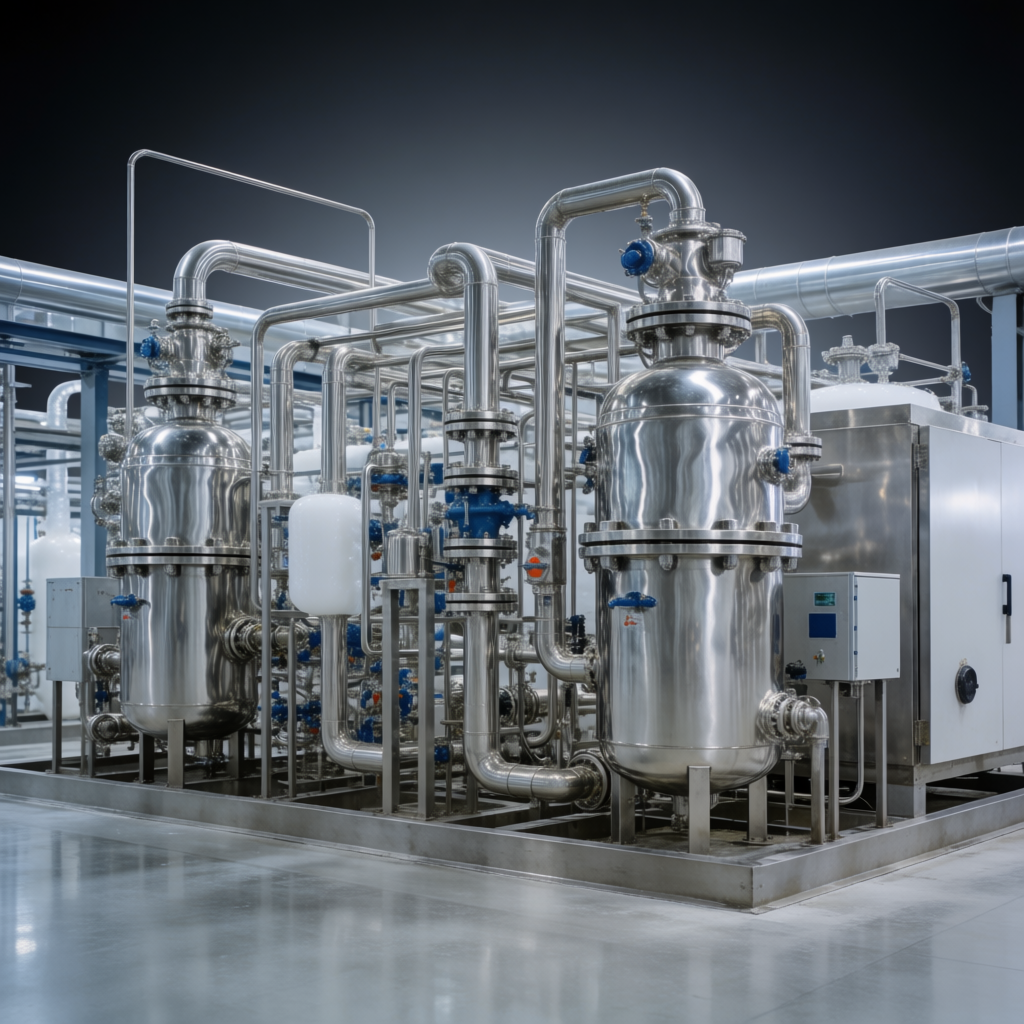
Green ammonia is produced using hydrogen generated through water electrolysis powered by renewable electricity.
The basic production pathway includes:
Renewable electricity powers an electrolyzer.
Water is split into hydrogen and oxygen.
Hydrogen reacts with nitrogen from the air through the Haber-Bosch process.
Ammonia is produced with significantly lower associated carbon emissions compared with conventional production.
This approach supports long-term decarbonization objectives across the fertilizer industry.
Why Green Ammonia Matters
Ammonia serves as the foundation for most nitrogen fertilizers.
It is used to manufacture products such as:
As green ammonia production expands, it may provide lower-carbon alternatives for these downstream fertilizers.
Procurement Implications
The gradual development of green ammonia creates new considerations for fertilizer buyers.
Sustainability Objectives
Organizations with environmental reporting goals may increasingly evaluate the carbon footprint of fertilizer supply alongside traditional procurement criteria.
Product Availability
Green ammonia production is expanding through phased investments.
Availability is expected to increase over time as additional projects become operational and commercial production grows.
Supplier Engagement
Procurement teams should maintain regular dialogue with suppliers regarding:
Early engagement supports long-term planning.
Documentation
As low-carbon fertilizer markets develop, buyers may require additional documentation supporting product characteristics and sustainability claims.
This may include information relating to:
Conventional and Green Fertilizers Will Coexist
Although green ammonia represents an important innovation, conventional nitrogen fertilizers will continue to play a major role in global agriculture for many years.
Future fertilizer markets are likely to include both:
The pace of adoption will depend on technological development, infrastructure, market demand, and regional regulations.
Building a Future-Ready Procurement Strategy
Procurement professionals can prepare for market evolution by developing flexible sourcing strategies.
Monitor Technology Developments
Stay informed about commercial progress in green ammonia production.
Evaluate Supplier Investments
Suppliers investing in sustainable production technologies may become important long-term strategic partners.
Diversify Supply Sources
Maintaining multiple qualified suppliers improves resilience while supporting future product diversification.
Review Sustainability Requirements
Organizations operating in regulated markets should understand applicable environmental reporting obligations and supplier documentation requirements.
Balance Cost and Long-Term Value
Procurement decisions should consider:
The Role of Innovation
Investment in low-carbon ammonia production reflects broader changes within the fertilizer industry.
Innovation areas include:
Renewable hydrogen production
Carbon capture technologies
Energy efficiency improvements
Digital agriculture
Sustainable nutrient management
These developments aim to improve both environmental performance and long-term supply resilience.
Long-Term Outlook
Green ammonia is expected to become an increasingly important component of the global nitrogen fertilizer industry as renewable energy capacity expands and low-carbon technologies mature. While conventional nitrogen fertilizers will continue to dominate global production in the near term, investments in green ammonia are laying the foundation for a more sustainable fertilizer supply chain.
For procurement professionals, understanding this transition supports informed supplier evaluation, long-term sourcing strategies, and preparation for evolving sustainability expectations. Companies that monitor technological developments and maintain strong relationships with innovative fertilizer producers will be better positioned to adapt as low-carbon fertilizer markets continue to develop.
Key Takeaways
Yara combines conventional nitrogen fertilizer production with ongoing investment in green ammonia technologies.
Green ammonia is produced using renewable hydrogen, offering a lower-carbon alternative to conventional ammonia production.
Ammonia remains the primary building block for products such as urea, ammonium nitrate, and UAN fertilizers.
Procurement teams should monitor supplier sustainability initiatives, product availability, and environmental documentation as low-carbon fertilizer markets evolve.
Long-term procurement strategies should balance supply reliability, product quality, sustainability objectives, and commercial value.