The fertilizer market has entered a new growth cycle, and Yara's sharp sales increase in 2025 signals that agricultural input costs are moving higher once again. Alongside strong performances from Mosaic, Nutrien and OCP, the recovery reflects improving fertilizer prices after the prolonged downturn between 2022 and 2024, followed by the supply shock that emerged during the Hormuz related price spike in 2026.
For procurement professionals in the food ingredients industry, this trend deserves close attention. Fertilizer pricing sits near the beginning of the agricultural supply chain. When major producers report stronger revenues driven by higher fertilizer prices, crop production costs usually increase. Those higher costs eventually influence the prices of corn, sugar, palm oil and cassava, which serve as the primary feedstocks for starches, sweeteners, organic acids and fatty acid derived ingredients.
Yara International is widely recognized as the world's largest nitrogen fertilizer company by distribution reach. Its extensive global network gives it exposure to agricultural markets across every major farming region.
When a company of this scale reports strong sales growth, the results often reflect broader industry conditions rather than isolated business performance. Higher revenues generally indicate that fertilizer demand has strengthened, prices have recovered or both developments are occurring simultaneously.
The latest market recovery follows two distinct phases.
First, fertilizer markets gradually recovered after prices weakened between 2022 and 2024 as supply chains stabilized and farmers adjusted purchasing patterns.
Second, geopolitical disruptions surrounding the Strait of Hormuz tightened global fertilizer supply, pushing prices sharply higher during 2026 and improving financial performance for major producers.
Together, these developments have reshaped agricultural input markets worldwide.
Understanding the Link Between Fertilizer Prices and Food Ingredients
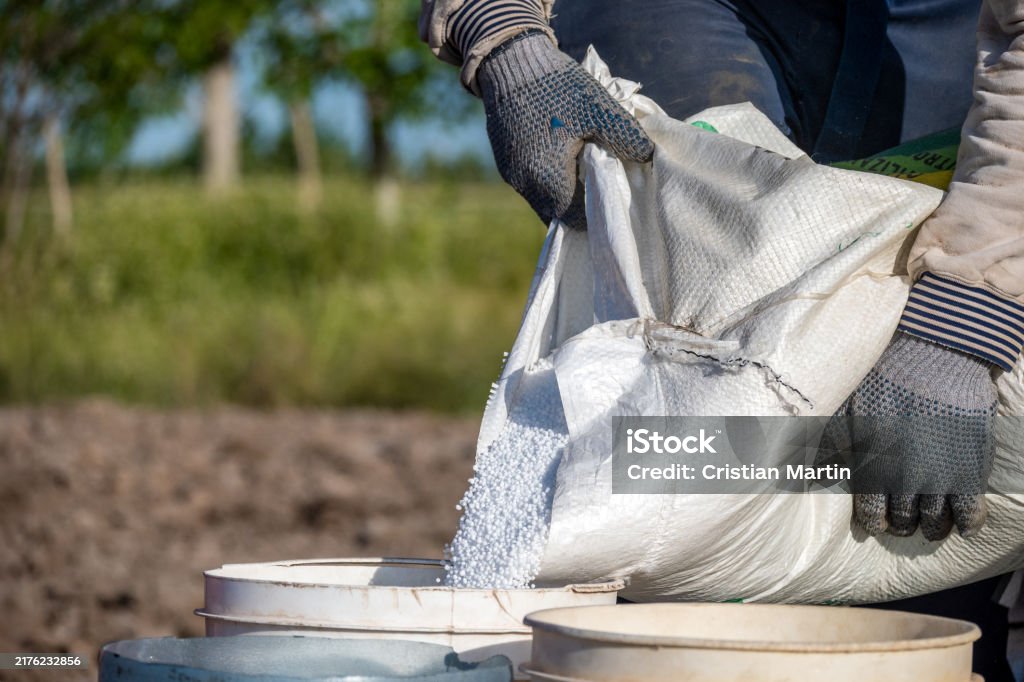
Fertilizers represent one of the largest operating expenses for many crop farmers. Nitrogen, phosphate and potash directly influence crop yields, making them difficult to replace when prices increase.
As fertilizer costs rise, farmers often experience higher production expenses across multiple crops.
The impact becomes particularly important for industries dependent on agricultural feedstocks, including manufacturers of:
Corn starch and glucose syrups.
Citric acid produced through corn based fermentation.
Cassava starch and tapioca ingredients.
Palm derived fatty acids and oleochemicals used in food processing.
Sugar based ingredients including sweeteners and fermentation products.
When production costs increase at the farm level, those higher costs frequently move through processors, exporters and ingredient manufacturers before reaching food producers.
Why Fertilizer Recovery Supports Higher Crop Prices
Agricultural commodity pricing depends on many variables including weather, global demand and government policies. However, fertilizer costs remain one of the most important production inputs.
Higher fertilizer prices influence crop markets through several mechanisms.
Farmers require greater working capital before planting, increasing overall production costs.
Some producers reduce fertilizer application rates when prices become too high, potentially lowering crop yields.
Exporting countries with higher production costs often raise selling prices to protect margins.
Commodity traders adjust market expectations as agricultural input costs increase across major producing regions.
These factors help explain why fertilizer company performance often serves as an early indicator for future agricultural commodity pricing rather than simply reflecting conditions within the fertilizer sector alone.
Global Fertilizer Producers Driving Market Recovery
Yara is not the only producer benefiting from stronger market conditions. Other leading fertilizer companies have also reported improving financial performance as global pricing recovered.
Among the industry's most influential producers are:
Yara International, with one of the world's broadest fertilizer distribution networks.
Mosaic, a major supplier of phosphate and potash fertilizers serving global agriculture.
Nutrien, one of the largest integrated fertilizer producers with operations across nitrogen, phosphate and potash markets.
OCP, a leading phosphate producer that plays a critical role in global fertilizer supply.
The combined performance of these companies suggests that fertilizer recovery extends across multiple nutrient categories rather than being limited to a single product segment.
How Rising Fertilizer Costs Affect Food Ingredient Procurement
Food ingredient manufacturers often experience the effects of fertilizer inflation several months after producers report stronger earnings. As agricultural commodities move through harvesting, processing and export channels, higher production costs gradually become embedded in ingredient pricing.
Procurement teams sourcing starches, sweeteners and vegetable oil derivatives should monitor fertilizer market developments alongside traditional crop reports.
The ingredients most likely to experience cost pressure include:
Corn-based products, including starch, glucose syrup, dextrose and fermentation feedstocks.
Sugar-derived ingredients, where higher cultivation costs can influence refined sugar and downstream specialty ingredients.
Cassava products, particularly tapioca starch used across food manufacturing.
Palm-derived fatty acids that depend on efficient plantation management and fertilizer application.
Because these feedstocks support hundreds of processed food formulations, even moderate increases in agricultural input costs can influence procurement budgets across multiple product categories.
Market Signals Procurement Teams Should Watch
Financial results from leading fertilizer producers provide valuable insight into future agricultural markets. While fertilizer company earnings do not determine crop prices on their own, they often signal changing cost structures before those changes become fully visible in commodity markets.
Key indicators worth monitoring include:
Rising fertilizer selling prices across major producing regions.
Increased sales volumes that suggest strong farmer demand.
Supply disruptions affecting nitrogen, phosphate or potash production.
Geopolitical developments influencing global fertilizer trade.
Energy market volatility, particularly natural gas prices that significantly affect nitrogen fertilizer production costs.
Monitoring these indicators helps procurement professionals anticipate cost movements rather than reacting after ingredient prices have already increased.
Building Resilient Sourcing Strategies During Fertilizer Recovery
Periods of rising agricultural input costs require procurement teams to strengthen sourcing strategies and improve market visibility.
Several practical approaches can reduce exposure to price volatility:
Diversify suppliers across multiple producing regions to reduce dependence on a single market.
Monitor fertilizer pricing alongside crop forecasts rather than treating them as separate markets.
Review contract structures to understand how agricultural cost increases may affect future pricing.
Work closely with ingredient suppliers to identify potential supply risks before seasonal purchasing periods.
Evaluate inventory strategies where appropriate to reduce exposure during periods of rapid market movement.
These measures cannot eliminate market volatility, but they can improve purchasing decisions and support more stable procurement planning.
What the Fertilizer Recovery Means for Global Trade
The recovery extends beyond higher fertilizer prices. Stronger financial performance among major producers supports continued investment in production capacity, logistics and distribution networks.
At the same time, elevated prices encourage governments and agricultural businesses to focus more closely on food security and supply chain resilience. Importing countries may diversify fertilizer sources, while exporting nations continue investing in production efficiency to remain competitive.
For food ingredient buyers, these developments reinforce the importance of understanding upstream agricultural markets. Changes affecting fertilizer producers today may shape ingredient availability and pricing over the coming growing seasons.
The Bottom Line for Procurement Teams
Yara's strong sales performance reflects a broader recovery across the global fertilizer industry. Similar results from Mosaic, Nutrien and OCP indicate that higher fertilizer prices are becoming a widespread market trend rather than an isolated event.
For procurement professionals, fertilizer producer performance offers valuable insight into future feedstock costs. Rising agricultural input prices can influence the production costs of corn, sugar, palm oil and cassava, eventually affecting the pricing of starches, glucose syrups, citric acid and fatty acid-derived food ingredients.
Organizations that monitor fertilizer markets alongside crop conditions and commodity pricing will be better positioned to anticipate cost movements, negotiate supply agreements and manage procurement risk in an increasingly dynamic agricultural environment.