Yemen's Houthis Widen the War: A New Maritime Front Against Saudi Arabia
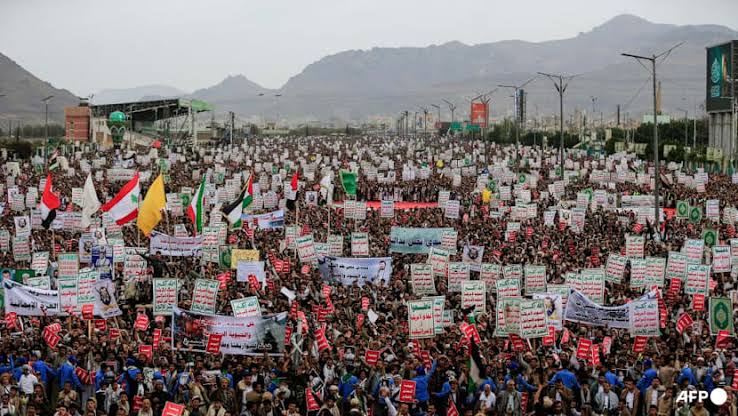
The conflict in the Middle East has entered a new phase after Yemen's Houthi movement announced an immediate maritime embargo against Saudi Arabia, describing the move as retaliation for the blockade on Yemen and the attack on Sana'a International Airport. The announcement raises fresh concerns over shipping security in the Red Sea and surrounding maritime corridors that are critical to global energy and chemical trade.
For chemical manufacturers, exporters, and procurement professionals, the expansion of maritime threats creates additional uncertainty for cargo movements, freight availability, marine insurance costs, and delivery schedules. As Saudi Arabia remains one of the world's largest exporters of petrochemicals, fertilizers, and industrial chemicals, any disruption to regional shipping could have ripple effects across global supply chains.
Why the Maritime Embargo Matters
Saudi Arabia is a major global supplier of energy products and chemical feedstocks that support manufacturing worldwide.
Key products potentially affected include:
Methanol
Mono Ethylene Glycol (MEG)
Ammonia
Urea

Urea (Granular) - Egypt
Caustic Soda
Polyethylene (PE)
Maritime restrictions can slow exports, increase transportation costs, and complicate procurement planning for buyers dependent on Gulf-origin cargoes.
Market Implications
The widening conflict could contribute to:
Increased shipping and logistics risks
Higher freight and marine insurance premiums
Longer vessel transit times
Greater petrochemical price volatility
Increased demand for alternative export routes
Stronger focus on supply chain diversification
Companies relying on Middle Eastern supply chains may face additional operational challenges if maritime security deteriorates further.
Procurement Considerations
Chemical procurement teams should strengthen risk management by focusing on:
Multi-origin sourcing strategies
Supplier diversification
Strategic inventory planning
Alternative shipping routes
Long-term procurement agreements
Continuous monitoring of geopolitical developments
Maintaining sourcing flexibility can help reduce exposure to regional shipping disruptions and improve business continuity.

Looking Ahead
The announcement of a maritime embargo against Saudi Arabia adds another layer of uncertainty to an already fragile regional logistics environment. While the ultimate impact will depend on enforcement, shipping company responses, and diplomatic developments, procurement professionals should closely monitor freight markets, export activity, and supplier performance.
Businesses that diversify sourcing, maintain strategic inventories, and develop contingency logistics plans will be better positioned to manage evolving risks across the Middle East.
Key Takeaways
The Houthis have announced a maritime embargo targeting Saudi Arabia.
Saudi chemical and petrochemical exports could face increased shipping risks.
Freight costs, insurance premiums, and transit times may rise.
Procurement teams should diversify suppliers and strengthen logistics planning.
Supply chain resilience remains essential during periods of geopolitical instability.
Found this useful?