Zambia-DRC Copperbelt Interconnector: A $300 Million Power Link
A proposed 200 km power line linking Zambia and the Democratic Republic of the Congo (DRC) could strengthen electricity supply to one of Africa’s most important copper and cobalt-producing regions. The Kalumbila–Kolwezi interconnector carries an estimated price tag of USD 300 million and a planned thermal capacity of 700 MW, positioning it as a significant addition to regional energy infrastructure.
For mining companies, industrial operators and commodity traders, reliable electricity directly influences production costs, output and investment decisions. The interconnector could help ease power constraints in the DRC’s Copperbelt while giving electricity producers in Zambia another route to supply regional customers. Its development also highlights how cross-border infrastructure can shape the competitiveness of mineral processing, chemical manufacturing and other energy-intensive industries.
Why the Kalumbila–Kolwezi Interconnector Matters
The Kalumbila–Kolwezi Interconnector Project, known as KKIP, aims to connect Kalumbila in northwestern Zambia with Kolwezi in the DRC’s Lualaba Province. Kolwezi sits within a major mining zone where copper and cobalt production supports domestic industry and international supply chains.
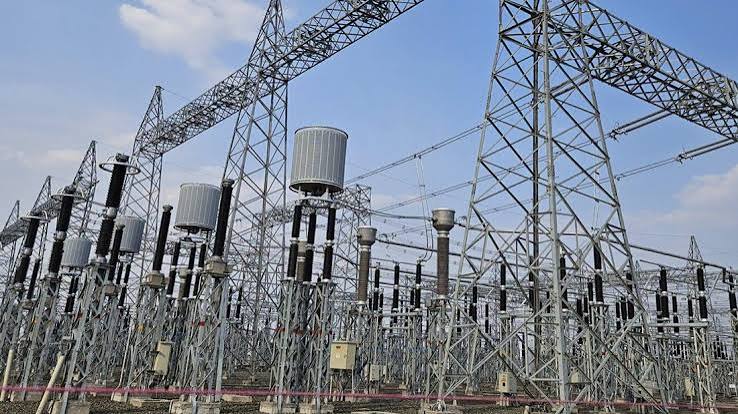
The proposed high-voltage connection would create an additional route for electricity to reach the Congolese Copperbelt. Project information identifies a planned thermal capacity of 700 MW, with the infrastructure designed to support substantial cross-border electricity transfers.
The project also offers benefits beyond the immediate mining corridor:
Improved electricity access: Additional transmission capacity could help industrial users secure power for operations that require continuous supply.
Expanded electricity trade: Zambian power producers could gain another route to serve customers across the border.
Stronger regional integration: The connection could deepen electricity-market links between the two countries and the wider Southern African Power Pool.
Support for industrial investment: More dependable power access could improve the appeal of projects that process minerals or manufacture industrial materials.
These potential benefits make the interconnector relevant to businesses that depend on stable operating conditions, not just to electricity utilities and mining companies.
How 700 MW of Capacity Could Support the Copperbelt
The project's planned 700 MW thermal capacity represents its designed power-transfer limit, rather than a guarantee that the full amount will always be available. Actual deliveries will depend on electricity generation, network conditions, commercial arrangements and demand.
The project is expected to enable imports of up to 550 MW into the DRC. That supply could help mining and industrial customers address electricity constraints while supporting additional production where power availability currently limits operations.
Electricity access matters throughout the copper and cobalt value chains. Mining companies need power to extract and move ore, while processing facilities rely on energy for crushing, grinding, concentration and refining. Businesses that produce industrial chemicals, treatment materials and other mining inputs also depend on reliable utilities.
A stronger power connection could therefore improve operating flexibility across several industries. However, the economic benefit will depend on delivered electricity prices, supply contracts and the extent to which additional power reaches individual facilities.
The $300 Million Investment and Regional Energy Trade
The estimated USD 300 million cost places the interconnector among the major infrastructure investments supporting regional industrial development. Its commercial structure brings together organisations with experience in strategic investment, power trading and infrastructure development.
The project partners include the DRC's Strategic Investment Fund, EnPower, Trafigura and Gridworks Development Partners. Their cooperation aims to finance, construct and operate the cross-border connection.
The project's commercial importance extends beyond the physical transmission line. A functioning interconnector needs coordinated arrangements covering electricity purchases, transmission access, operating responsibilities and cross-border settlement.
For Zambia, the connection could open another market for electricity generated within the country. For the DRC, it could provide access to additional supply for mining and industrial customers.
The partners have also identified the possibility of expanding capacity beyond 1,000 MW in the future. Such an expansion would depend on further development, investment and the availability of sufficient electricity supplies.
Why Reliable Electricity Matters for Copper and Cobalt Production
Copper and cobalt occupy important positions in international manufacturing and energy supply chains. Copper supports electrical wiring, power transmission, industrial equipment and renewable energy infrastructure, while cobalt serves several industrial applications, including certain battery chemistries.
Mining and processing these materials require significant infrastructure investment. When electricity supply becomes unreliable, operators may face production interruptions, higher backup power expenses and difficulties maintaining planned output.
Additional transmission capacity could help address some of these challenges by broadening access to electricity. Mining companies may gain greater flexibility when planning production schedules, maintaining equipment and evaluating new processing facilities.
The potential effects could extend to suppliers that serve mining operations, including businesses involved in:
Water treatment chemicals used in industrial processes.
Mineral processing reagents and flotation chemicals.
Lubricants, industrial maintenance materials and equipment supplies.
Acids and other process chemicals used in applicable refining and treatment operations.
However, improved electricity access alone will not guarantee higher mineral output. Water availability, transport infrastructure, ore quality, financing and market prices will continue to influence project economics.
Implications for Chemical Traders and Industrial Buyers
Chemical traders and procurement managers should monitor major power infrastructure projects because electricity costs can influence demand across industrial supply chains. More reliable power may support higher utilisation rates at mining and processing facilities, which could increase purchasing requirements for selected industrial inputs.
The impact will vary by product category and customer. A mine expanding its processing capacity may require more treatment chemicals and maintenance supplies, while a manufacturer considering a new facility may place greater weight on electricity availability when selecting a location.
Procurement teams can prepare by reviewing their exposure to the Copperbelt and assessing how potential changes in mining activity could affect demand.
Practical steps include:
Map customer exposure: Identify mining companies, mineral processors and industrial customers operating along the Zambia-DRC corridor.
Review product demand: Assess which chemical and industrial supply categories correlate with customers' production volumes.
Check logistics options: Compare transport routes, border procedures and delivery lead times for shipments serving the region.
Strengthen supplier coverage: Maintain alternative suppliers and avoid relying on a single source for critical materials.
Monitor investment decisions: Track mining expansions and processing projects that could generate additional demand.
Buyers should also distinguish between a project announcement and actual operational changes. Procurement forecasts become more reliable when companies confirm electricity contracts, construction progress and production plans.
Supply Chain Risks and Infrastructure Challenges
Although the interconnector could improve regional power access, its long-term value will depend on successful construction and effective operation. Cross-border transmission projects require coordination between national authorities, electricity utilities, infrastructure operators and commercial partners.
Several factors will influence how quickly businesses benefit from the investment:
Construction and commissioning: Contractors must complete the transmission line, substations and supporting systems before commercial electricity transfers can begin.
Generation availability: Transmission infrastructure cannot deliver electricity that power producers do not generate or make available for export.
Grid stability: Operators must coordinate network management to maintain reliable transfers and respond to changes in supply and demand.
Commercial agreements: Electricity purchase contracts, transmission charges and payment arrangements will influence the cost of delivered power.
Cross-border procedures: Regulatory approvals and coordination between the two countries will remain important for uninterrupted trade.
Mining companies should avoid assuming that planned capacity will immediately translate into lower operating costs. They will need to assess actual supply agreements, delivery conditions and the reliability of the electricity available to their facilities.
Chemical suppliers face a related challenge. Even if mining activity expands, purchasing patterns will depend on individual investment decisions, production schedules and the cost of transporting materials to customers.
Regional Integration and the Future of African Industry
The Kalumbila–Kolwezi project forms part of a broader effort to strengthen electricity connections across Southern Africa. Regional power trading allows participating countries to exchange electricity and make better use of available generation resources.
For the Copperbelt, stronger connections could support a shift from dependence on limited local supply options toward a more interconnected electricity market. This could create opportunities for industrial development where power availability has constrained investment.
The potential implications extend to the Lobito Corridor, a strategic transport route intended to improve connections between central African mineral-producing areas and international markets. Better coordination between electricity infrastructure, mining operations and transport networks could strengthen the commercial appeal of regional production hubs.
For manufacturers and chemical suppliers, these developments could gradually reshape sourcing decisions. Companies may consider establishing distribution networks closer to expanding industrial customers or increasing inventory coverage in locations where mining investment grows.
Nevertheless, regional integration requires more than transmission infrastructure. Competitive electricity pricing, efficient border processes, dependable transport links and predictable commercial rules will all influence how effectively businesses convert improved connectivity into economic gains.
What Procurement Teams Should Watch Next
The next stage of the Kalumbila–Kolwezi interconnector will determine when its potential benefits begin to reach industrial customers. The project has moved through development milestones, but construction progress, financing arrangements and eventual commissioning will remain important indicators for businesses planning around future electricity availability.
Procurement managers and chemical traders should monitor several developments:
Construction milestones: Watch for announcements covering construction commencement, transmission equipment installation and commissioning schedules.
Electricity supply arrangements: Track agreements that clarify expected delivery volumes, pricing structures and eligible industrial customers.
Mining investment plans: Follow confirmed expansions in copper and cobalt production that could increase demand for industrial chemicals and processing supplies.
Regional power market developments: Monitor changes in cross-border trading capacity and the availability of electricity from participating countries.
Supplier and logistics readiness: Review lead times, inventory policies and delivery arrangements before expanding commitments based on anticipated demand.
Businesses should also consider the distinction between short-term procurement needs and longer-term market opportunities. Existing customers may require immediate supply continuity, while new mining or processing investments may create additional demand only after construction and commissioning.
The proposed interconnector offers a significant opportunity to strengthen electricity access in the Zambia-DRC Copperbelt. Its eventual contribution will depend on how effectively project partners turn planned capacity into dependable supply, competitive electricity costs and sustained industrial activity.
For chemical buyers, the most practical approach is to connect infrastructure monitoring with customer demand forecasts, supplier diversification and logistics planning. As the project advances, businesses that understand their exposure to the Copperbelt will be better positioned to respond to changes in industrial purchasing requirements.

Sulphuric Acid (60%)
Found this useful?