
Zoci's Phase I Data Ranks Among the Stronger Early DLL3 ADC Results Reported
Zai Lab's early clinical data for zocilurtatug pelitecan (zoci) provides an important benchmark in the rapidly developing DLL3-targeting antibody-drug conjugate (ADC) landscape.
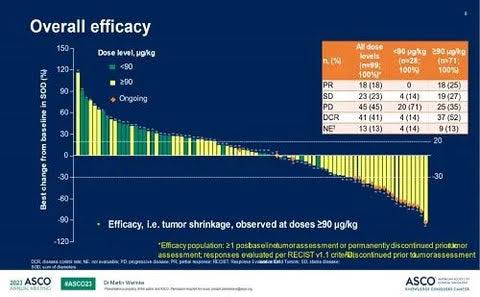
The reported Phase I results showed encouraging and durable responses, including activity in patients with brain metastases. The strength of these early findings has supported the program's progression toward global Phase III registrational development.
For pharmaceutical companies, investors, and oncology market-intelligence teams, zoci's trajectory offers a useful reference point for comparing competing DLL3 ADC programs and assessing which assets may have the potential to become important treatments in small cell lung cancer.
Why the Data Matters
DLL3 has emerged as an increasingly important target in small cell lung cancer (SCLC) and other neuroendocrine malignancies.
Zoci's early data is notable because of several factors:
Encouraging response rates
Durability of responses
Activity reported in patients with brain metastases
Progression from early clinical testing toward Phase III development
Potential applicability across DLL3-positive cancers
Growing validation of DLL3 as an oncology target
Brain metastases are particularly important in SCLC because central nervous system disease represents a significant clinical challenge.
Ranking the DLL3 ADC Landscape
From a competitive-intelligence perspective, zoci can be evaluated against other DLL3-targeting ADC programs using several benchmarks.
1. Clinical Response
Response rates provide an early indication of whether a DLL3 ADC is demonstrating meaningful anti-tumor activity.
2. Response Durability
Durable responses can provide a stronger competitive signal than short-term tumor shrinkage alone.
3. Brain Metastasis Activity
Evidence of activity against intracranial disease could become an important differentiator among competing DLL3-targeted therapies.
4. Development Speed
Movement from Phase I into global registrational studies provides an important indicator of clinical confidence and development momentum.
5. Safety Profile
ADC development requires balancing anti-tumor activity against toxicities associated with the antibody, linker, and payload.
Market Implications
Strong early results from zoci could increase competitive interest in DLL3-targeted drug development.
Potential market implications include:
Greater investment in DLL3 ADC programs
Increased competition in SCLC treatment
More research into brain-metastasis treatment
Expansion of ADC development platforms
Increased pharmaceutical partnering and licensing
Greater focus on biomarker-defined oncology markets
If multiple DLL3-targeted therapies reach late-stage development, differentiation will likely depend on efficacy, safety, durability, brain activity, dosing convenience, and patient selection.
Competitive Intelligence
Zoci provides a useful benchmark for evaluating competing DLL3 ADC programs.
Industry analysts can compare programs based on:
Phase of development
Objective response rate
Duration of response
Intracranial activity
Overall survival
Progression-free survival
Safety and tolerability
ADC payload and technology
Global development strategy
Partnerships and licensing activity
Tracking these indicators can help identify which DLL3 programs are progressing most effectively toward potential commercialization.
Procurement Considerations
Advanced ADC development also creates specialized manufacturing and supply-chain requirements.
Procurement teams should monitor:
ADC manufacturing capacity
Pharmaceutical-grade intermediates
Payload and linker supply
Bioconjugation capabilities
Analytical testing materials
Contract development and manufacturing organizations
Cold-chain and specialized logistics
As DLL3 ADC programs move into global Phase III trials, manufacturing scale and reliable supply become increasingly important.

Benzoic Acid (E210)
Looking Ahead
Zoci's Phase I results represent an important development in the emerging DLL3 ADC field. Its reported activity, including in patients with brain metastases, provides a useful benchmark for evaluating competing programs as the target class moves toward later-stage clinical development.
The progression toward global Phase III registrational testing also highlights the increasing commercial importance of DLL3 as an oncology target.
For pharmaceutical companies and investors, monitoring response durability, intracranial activity, safety, development speed, and manufacturing readiness will be critical for determining which DLL3 ADC programs can establish meaningful competitive advantages.
Key Takeaways
Zocilurtatug pelitecan is a DLL3-targeting ADC developed by Zai Lab.
Its Phase I data showed encouraging and durable responses.
Reported activity in patients with brain metastases is an important competitive data point.
The program's move toward Phase III increases its relevance in the DLL3 oncology landscape.
Competing DLL3 ADC programs should be benchmarked on efficacy, durability, intracranial activity, safety, and development speed.
Found this useful?