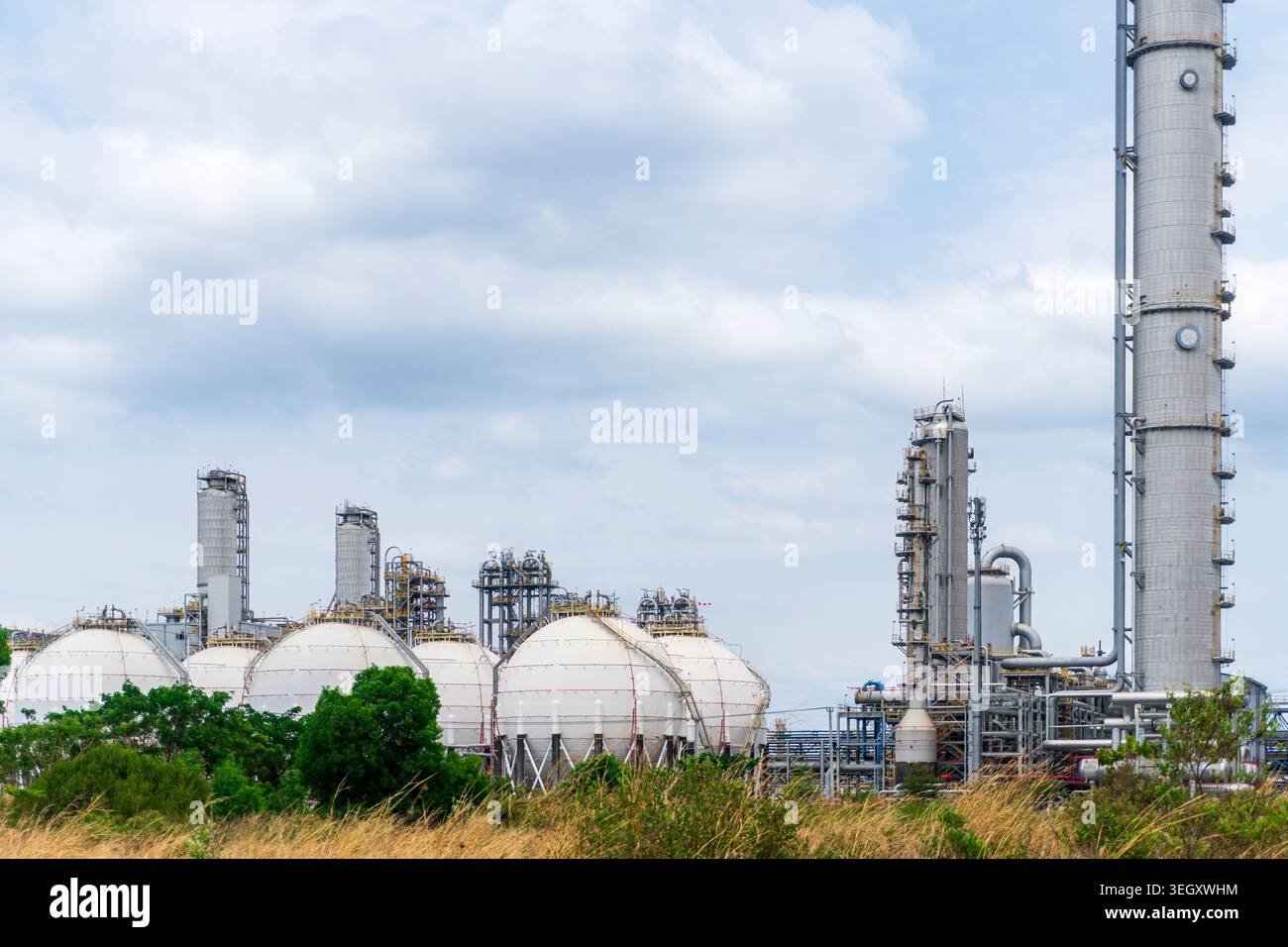
A 12x Gas Price Gap Just Ended Europe's Last World-Scale Acetyls Production
Europe's petrochemical competitiveness has suffered another major setback as INEOS moves to mothball all three of its world-scale acetyls plants in Hull, UK. The company says European gas prices have reached 12 times US levels, making the facilities uncompetitive despite years of investment to improve efficiency and reduce emissions.
The decision removes Europe's last remaining world-scale acetyls production units from active operation. The plants manufacture chemical intermediates used across pharmaceuticals, food products, clothing, cosmetics, detergents, construction and other industries, meaning the impact extends well beyond the petrochemical sector.
Why the Hull Acetyls Shutdown Matters
The Hull site has historically been a major European source of acetic acid, acetic anhydride and ethyl acetate. INEOS describes the facility as Europe's largest producer of these three products, with capacity listed at around 500,000 tonnes per year of acetic acid, 150,000 tonnes of acetic anhydride and 200,000 tonnes of ethyl acetate.
The three units are not simply another set of petrochemical assets. They form part of a downstream manufacturing chain supplying materials used in medicines, food preservatives, paints, packaging, textiles, cleaning products, adhesives and other everyday applications.
INEOS said two plants had already stopped production when the mothballing announcement was made on September 22, with the third expected to come offline within days. The company has not presented the move as a permanent closure, but the duration of the shutdown remains uncertain.
The Economics Behind Europe's Acetyls Problem
Energy costs are central to the decision because natural gas plays a dual role in acetyls manufacturing. It provides process energy while also serving as a feedstock, so a sustained increase in gas prices directly affects production economics.
INEOS says European gas is now 12 times more expensive than gas in the United States and around eight times more expensive than coal-based production in China. OPIS reported Dutch TTF gas at about $24.08/MMBtu on September 22 compared with US Henry Hub at about $2.84/MMBtu, illustrating the scale of the cost disparity at the time.
That gap creates a structural disadvantage for European producers. Even highly efficient plants can struggle when their competitors operate with dramatically cheaper energy and lower production costs.
The problem also extends beyond energy. INEOS has previously highlighted competition from imported acetyls products, while weak European demand has added pressure to the business. Its first-quarter 2026 financial report showed lower European sales volumes alongside lower sales prices.

Europe's Supply Dependence Is Increasing
The Hull shutdown changes the European acetyls supply structure because INEOS says the site represents the last remaining world-scale acetyls production in Europe. Other European units had already closed because of uncompetitive energy economics.
This means European buyers may need to rely more heavily on imported material to cover domestic requirements. That creates additional exposure to ocean freight, vessel availability, port congestion, exchange rates and geopolitical disruptions.
The timing is particularly significant because global shipping routes are already experiencing elevated risks. Delayed Asian arrivals were contributing to tighter European acetic acid availability at the end of September, while higher freight costs were reducing the competitiveness of the Asia-to-Europe import route.
For procurement managers, the challenge is therefore not simply finding another producer. They must secure reliable volumes that can reach European customers at commercially viable delivered costs.
Acetic Acid and Derivatives Face Tighter Market Conditions
The immediate pressure is most visible across the European acetic acid chain. S&P Global reported that European supply sentiment had turned bullish after the Hull shutdown, with sellers increasing offer levels as import arrivals were delayed.
Acetic acid is a fundamental intermediate with applications ranging from food preservation and pharmaceuticals to textiles, paints, packaging and cleaning products. Acetic anhydride is also important for pharmaceutical acetylation and is used in products such as aspirin and paracetamol, while ethyl acetate serves applications including printing inks, pharmaceuticals, paints and adhesives.
A prolonged Hull outage could therefore affect several downstream industries simultaneously. Buyers may face greater competition for imported cargoes, longer replenishment cycles and a wider difference between spot availability and contracted supply.
The impact will depend on how quickly alternative suppliers can respond. However, the loss of a major regional producer removes an important source of supply flexibility at a time when Europe's chemical industry is already operating under significant cost pressure.
The Carbon Advantage Creates a Difficult Paradox
The shutdown also highlights a major contradiction in Europe's industrial transition. INEOS says the Hull units are among the world's most efficient acetyls facilities and operate with very low carbon emissions. According to the company, material made at Hull has about half the carbon footprint of US production and one-eighth that of Chinese material.
INEOS invested £30 million in 2025 to convert operations toward hydrogen fuel, with the company saying the project reduced site emissions by 75%.
Yet lower-carbon production does not guarantee economic competitiveness. If European producers face substantially higher energy and carbon-related costs than overseas competitors, production can move outside the region even when the imported material carries a higher embedded carbon footprint.
This creates a difficult challenge for policymakers. Protecting domestic manufacturing capacity while pursuing decarbonisation requires energy systems that can support both environmental goals and globally competitive production costs.
What the Shutdown Means for Chemical Buyers
European procurement teams should reassess acetyls sourcing strategies rather than treating the Hull shutdown as a temporary operational event.
Several areas deserve particular attention:
Supplier diversification: Buyers should avoid relying on a single regional source for acetic acid or derivatives.
Import lead times: Asian and other overseas suppliers may require longer planning windows than domestic European production.
Freight exposure: Ocean freight can materially change the delivered cost of imported acetyls.
Inventory policy: Companies dependent on continuous acetyls supply may need additional safety stock.
Contract flexibility: Procurement teams should review clauses covering force majeure, allocation and price adjustments.
Alternative grades: Buyers should verify whether substitute grades or alternative suppliers meet technical and regulatory specifications.
Feedstock monitoring: Changes in methanol and energy costs can influence acetic acid economics and supplier offers.
These measures can help buyers manage volatility while the European market adjusts to a new supply structure.
Europe Could Become More Dependent on Global Acetyls Trade
The Hull decision reinforces a broader pattern across Europe's chemical industry. High energy costs have already pushed multiple production units toward shutdowns, reduced operating rates or relocation, while imports increasingly fill the resulting supply gaps.
The risk is not necessarily an immediate shortage of every acetyls product. Global production capacity exists, and imports can replace some lost European output. The bigger issue is the loss of regional resilience.
Domestic production gives buyers shorter logistics chains and greater control over replenishment. Once production moves offshore, the supply chain becomes more exposed to shipping disruptions, geopolitical events and fluctuations in global freight economics.
S&P Global's assessment already points toward tighter European acetyls conditions following the Hull decision.
The Next Test Is Whether Europe's Plants Can Compete Again
INEOS has described the Hull units as mothballed rather than permanently closed, leaving open the possibility that production could restart if market conditions improve. The critical question is whether European energy prices can fall far enough, or whether other policy and market measures can close the competitiveness gap.
The scale of the challenge is significant. A producer facing energy costs several times higher than overseas competitors cannot rely on operational efficiency alone to close the gap.
For European chemical buyers, the priority should be preparing for a market in which imported acetyls play a larger role. Procurement strategies built around multiple suppliers, realistic inventory buffers and detailed landed-cost analysis will become increasingly important.
Methanol
觉得有用吗?