Avantium Spins Out Parana Technology Into Independent Parana Materials
Avantium has completed the spin-out of its Parana Technology platform into Parana Materials, creating an independent company focused on renewable high-performance polyesters. The new business will commercialize PISOX, PISA, PEIT and PEIF technologies while pursuing production routes designed around commercially available monomers and existing industrial assets.
The move separates Parana from Avantium’s core FDCA and PEF activities and gives the technology its own leadership, funding and development infrastructure. For polymer buyers, chemical traders and manufacturers seeking alternatives to conventional fossil-based materials, the development signals another pathway toward bio-based performance plastics.
Why Avantium Created Parana Materials
The spin-out forms part of Avantium’s strategy to concentrate its resources on its core FDCA and PEF business while giving other technologies independent routes to commercialization. Avantium will retain a minority shareholding in Parana Materials, allowing it to maintain exposure to the technology’s future development.
The new company has been established at Brightlands Chemelot Campus in Geleen, Netherlands. It takes responsibility for the relevant intellectual property, technical know-how, projects, dedicated personnel and pilot activities associated with the Parana platform.
This structure gives Parana Materials greater operational focus. Instead of competing for resources within a larger technology portfolio, the startup can concentrate specifically on developing its polyester technologies, working with customers and moving promising applications toward commercial scale.
The Parana Technology Platform Explained
Parana Materials will work across four principal polyester technology families: PISOX, PISA, PEIT and PEIF. Each technology targets combinations of renewable content and high-performance characteristics for applications including packaging, consumer products and specialty materials.
The platform is particularly relevant because it does not depend entirely on building new production infrastructure. Parana’s approach uses commercially available monomers and is designed around production in existing industrial assets, potentially reducing some of the infrastructure barriers associated with introducing new polymer technologies.
The technologies use building blocks including isosorbide, succinic acid, oxalic acid and bio-based monoethylene glycol. This feedstock flexibility provides a foundation for developing polyester materials with different combinations of performance and sustainability characteristics.
PISOX Brings New Sustainability Characteristics
PISOX is one of the most distinctive technologies within the Parana portfolio. These oxalic acid-based polyesters offer properties that could differentiate them from conventional petroleum-derived polymers, including marine degradability and the potential for a carbon-negative footprint.
Marine degradability is particularly relevant as manufacturers and policymakers continue to examine the environmental fate of polymer materials. However, commercial adoption will ultimately depend on how these characteristics translate into real-world performance, processing requirements, cost and application suitability.
Avantium’s previous research also identified PISOX as a key part of its renewable polyester development. The company reported progress in scaling several renewable polyester classes while continuing application testing with industrial partners.
PISA, PEIT and PEIF Target High-Performance Applications
The Parana platform extends beyond PISOX. PISA, PEIT and PEIF are designed to combine renewable content with mechanical and thermal performance that can support applications where conventional plastics remain widely used.
PEIT and PEIF are particularly relevant to the development of high-performance polyester materials. Earlier research involving Avantium and the University of Amsterdam explored isosorbide-based polymers designed to deliver strong mechanical properties and improved heat resistance.
These materials could address applications where manufacturers need more than renewable content alone. Performance requirements such as strength, thermal resistance and barrier behavior remain essential when replacing established engineering and packaging polymers.
For chemical buyers, this distinction is important. Sustainable materials gain commercial traction when they can meet the technical specifications of the products they are intended to replace or improve.
Existing Industrial Assets Could Lower Scale-Up Barriers
One of the most commercially relevant elements of the Parana approach is its focus on existing industrial infrastructure. New polymer technologies can face significant capital requirements when commercialization requires entirely new plants, reactors and processing systems.
Parana Materials aims to use commercially available monomers and existing industrial assets instead. This approach could provide manufacturers with a more practical route toward adopting renewable polyester technologies while reducing the need for completely new production infrastructure.
The strategy does not eliminate the technical challenges associated with scale-up. Polymer quality, process consistency, feedstock availability, economics and customer qualification all need to be demonstrated at the required commercial level.
However, compatibility with existing assets can be a meaningful advantage when customers compare emerging materials with established polymer technologies.
Pilot Infrastructure Supports Commercial Development
Parana Materials will assume responsibility for operating Avantium’s polymerization pilot plant unit under a lease arrangement. The company will use the facility for development, scale-up and customer application work as well as third-party tolling activities.
The arrangement gives the new company access to physical infrastructure without requiring an immediate standalone investment in a completely new pilot facility. It also provides a practical environment for testing polymer formulations and demonstrating processing performance.
Avantium will retain ownership of the unit and continue to access its polymerization capabilities through Parana for its own FDCA and PEF activities. This creates a continuing technical relationship between the two companies despite the organizational separation.
For potential customers, pilot-scale infrastructure can be important because qualification of a new polymer often requires more than laboratory samples. Manufacturers need enough material to conduct processing trials, product testing and application development before committing to larger commercial volumes.
Funding Supports Parana's Next Development Stage
Parana Materials begins its independent phase with financial and institutional backing. LIOF Participatiefonds, Limburg’s regional development agency, has invested in the new company, while the business has also received support through the Just Transition Fund and the Demonstration Energy and Climate Innovation programme.
This support gives Parana additional resources for technical development and commercialization. It also reflects the broader regional interest in strengthening the Netherlands’ bio-based and circular chemistry ecosystem.
For emerging polymer companies, external funding can be particularly important during the period between technology validation and commercial adoption. This stage often requires investment in pilot production, customer trials, process optimization and application development before meaningful recurring sales develop.
What the Spin-Out Means for Polymer Buyers
For procurement teams, the emergence of Parana Materials creates another potential supplier and technology partner within the renewable polyester landscape. However, buyers evaluating emerging polymers will need to assess performance and supply considerations alongside sustainability claims.
Key procurement questions will include:
Feedstock availability: Buyers need confidence that the required bio-based monomers can be sourced consistently at commercial volumes.
Processing compatibility: Materials designed for existing industrial assets can simplify adoption if they also work with established conversion equipment.
Technical performance: Mechanical, thermal, barrier and durability requirements will vary significantly by application.
Commercial scale: Pilot availability is useful for trials but buyers will ultimately require reliable commercial supply.
Application qualification: Packaging, consumer goods and specialty applications may each require different testing and regulatory pathways.
These considerations will determine how quickly Parana’s technology portfolio can move from promising laboratory and pilot results into regular industrial procurement.
Opportunities for Chemical Traders and Distributors
The development also creates opportunities beyond polymer manufacturers. Chemical traders can play a role in connecting emerging material technologies with regional buyers, processors and downstream manufacturers.
The availability of commercially sourced monomers is particularly relevant. As renewable polyester production expands, demand could increase for building blocks such as isosorbide, oxalic acid, succinic acid and bio-based monoethylene glycol.
Distributors that understand both conventional polymer supply chains and emerging bio-based chemistry may be well positioned to support customers during the transition. Technical documentation, consistent specifications and dependable logistics will remain important factors alongside sustainability credentials.
The Parana model also highlights the value of application-specific supply. Customers are unlikely to switch materials solely because they are bio-based. They need polymers that fit their processing conditions, product specifications and commercial requirements.
How Parana Fits Avantium's Broader Strategy
The Parana spin-out is part of a broader portfolio realignment at Avantium. The company has been concentrating its resources on FDCA and PEF while pursuing independent pathways for other technologies developed within its organization.
Avantium has also previously spun out Volta Technology and divested Ray Technology as part of its efforts to sharpen its focus. The company says these portfolio actions are intended to reduce future funding requirements and non-core cost exposure while supporting commercialization of its core FDCA and PEF technologies.
For Parana, independence provides the opportunity to develop its own commercial identity. For Avantium, retaining a minority stake means it can still participate in potential future value creation without carrying the full operating requirements of another technology platform.
The Commercial Outlook for Renewable Polyesters
Parana Materials enters the market at a time when manufacturers are looking for polymer solutions that combine renewable feedstocks with established performance requirements. Packaging, consumer products and specialty materials are all areas where material selection is increasingly influenced by carbon footprint, recyclability and resource efficiency alongside cost and functionality.
The company’s focus on PISOX, PISA, PEIT and PEIF gives it multiple technology pathways rather than a single polymer solution. Its ability to use commercially available monomers and existing industrial assets could also make the platform attractive to partners seeking lower-barrier routes toward renewable materials.
The next commercial milestones will depend on customer adoption, scale-up performance and the ability to demonstrate competitive economics. If Parana can convert existing industry interest into qualified applications and repeat orders, the spin-out could become an important independent player in the renewable polyester market.
What Buyers Should Watch Next
The creation of Parana Materials gives the renewable polyester market a new independent technology company with dedicated leadership, pilot infrastructure and external funding. Its immediate priority will be translating the technical capabilities of the Parana platform into customer-ready products and commercially viable applications.
For chemical traders and procurement teams, the most important signals will be progress in scale-up, customer qualification, feedstock sourcing and commercial partnerships. These indicators will show whether the technology can move beyond pilot development and compete effectively with established polyester materials.
The broader lesson is that renewable polymers do not necessarily need completely new industrial ecosystems to reach the market. Technologies designed around existing assets and familiar chemical building blocks may offer manufacturers a more practical path toward material substitution and lower-carbon production.
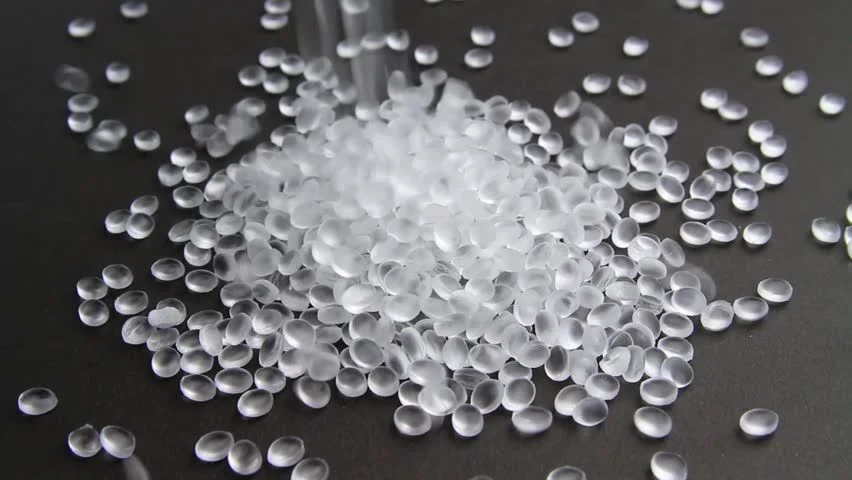
Polyethylene Terephthalate (PET)
觉得有用吗?