Biopharma-Grade Vitamins Just Got Their Own Dedicated Global Supply Chain
Biopharmaceutical manufacturing depends on thousands of individual raw material decisions, and even relatively small ingredients can influence process consistency. Vitamins used in cell culture media are a good example. They support cellular metabolism, growth and productivity, making their purity, consistency and supply reliability important considerations for manufacturers of biologics, vaccines and cell therapies.
That supply chain is now becoming more specialized. On September 29, 2026, Brenntag and dsm-firmenich announced a long-term global distribution partnership covering dsm-firmenich's Biond portfolio of pharmaceutical-grade vitamins for biopharmaceutical applications. Brenntag will distribute the portfolio exclusively across North America, Latin America, Europe, the Middle East and Africa and Asia-Pacific under the BYPHAR powered by Biond co-brand.
Why Vitamins Matter in Biopharmaceutical Manufacturing
Vitamins may represent a small portion of a cell culture formulation, but their role in biological production is significant. They can act as cofactors in metabolic reactions, provide antioxidant functions and support cellular processes that influence growth, viability and productivity.
For manufacturers producing monoclonal antibodies, recombinant proteins, vaccines or cell therapies, consistent cell performance is essential. Variability in raw materials can complicate process development and scale-up, particularly when a formulation moves from laboratory development into larger commercial manufacturing.
This makes raw material quality more than a procurement specification. It becomes part of process control. Pharmaceutical-grade ingredients with traceability, documented quality attributes and consistent manufacturing can help manufacturers reduce uncertainty as processes move through development and commercialization.
Eight B Vitamins Move Into a Dedicated Biopharma Portfolio
The new Biond portfolio contains eight products covering a broad range of vitamins used in cell culture and upstream bioprocessing. Brenntag will make the products available in multiple pack sizes, supporting requirements from research and development through commercial manufacturing.
The portfolio includes:
Biond Niacinamide Ph Excel, Vitamin B3
Biond Folic Acid Ph Excel, Vitamin B9
Biond Cyanocobalamin Ph Excel, Vitamin B12
Biond D-Panthenol Ph Excel, Vitamin B5
Biond Thiamine Hydrochloride Ph Excel, Vitamin B1
Biond Riboflavin 5'-Phosphate Ph Excel, Vitamin B2
Biond Pyridoxine Hydrochloride Ph Excel, Vitamin B6
Biond D-Biotin Ph Excel, Vitamin B7
The products are designed for cell culture media, feed media and upstream bioprocessing supporting biologics, vaccines and cell therapies. Brenntag says the portfolio combines high-purity GMP-grade quality with multi-compendial compliance, flexible pack sizes and global supply-chain support.
For procurement teams, this represents a shift from simply sourcing individual vitamin ingredients toward managing them as specialized biopharma raw materials with application-specific documentation and supply support.
Global Distribution Could Change Procurement Strategies
The most important part of the announcement may not be the individual vitamins. It is the distribution model.
Brenntag has received exclusive distribution rights for the Biond portfolio across the major global biopharma regions. This gives manufacturers a single distribution channel for the dedicated portfolio rather than requiring procurement teams to manage separate sourcing relationships across different regions.
That can become increasingly valuable as pharmaceutical manufacturers expand production footprints. A company developing a biologic in Europe may eventually need commercial manufacturing capacity in North America or Asia-Pacific. Consistency in raw material sourcing can therefore become an important part of technology transfer and supply-chain planning.
Brenntag's wider BYPHAR portfolio is also designed to support manufacturers from early research and development through commercial production, with documentation such as certificates of analysis, safety data sheets, technical data and traceability information.
For buyers, the benefit is not simply product availability. It is the possibility of creating a more standardized procurement framework across development sites and manufacturing locations.

GMP Quality Raises the Bar for Ingredient Selection
Biopharmaceutical companies increasingly need to evaluate raw materials based on more than price and basic specification compliance. Documentation, traceability, change control and manufacturing consistency can become critical when an ingredient enters a regulated production process.
dsm-firmenich positions Biond as a pharmaceutical-grade vitamin portfolio backed by pharmaceutical-quality manufacturing, regulatory expertise and traceability. The company also emphasizes that the ingredients are designed specifically for biopharma applications rather than simply being conventional vitamin products redirected toward cell culture use.
This distinction matters because raw material changes can introduce additional qualification work. A buyer looking to switch vitamin suppliers may need to evaluate analytical specifications, manufacturing processes, documentation and potential effects on the cell culture process.
A dedicated portfolio can simplify that evaluation when the supplier provides a consistent documentation package and technical support structure.
From R&D to Commercial Production
One of the biggest challenges in biopharma sourcing is maintaining continuity as a product moves through development stages. A material that works for laboratory-scale experiments may eventually need to meet much stricter requirements when the process enters clinical or commercial manufacturing.
The new portfolio is structured to support different scales through multiple pack sizes. That allows procurement teams to consider the same dedicated ingredient family during development and later manufacturing rather than treating every stage as a completely separate sourcing exercise.
This approach can also support process consistency. If a cell culture process has been developed using a specific grade and manufacturing source, maintaining access to that material can reduce the risk associated with unnecessary raw material changes during scale-up.
For emerging biopharma companies, this could be particularly useful. Smaller developers often have limited procurement and quality teams, so supplier networks that combine product availability with regulatory and technical support can reduce operational complexity.
What This Means for Biopharma Buyers
The launch highlights several sourcing priorities that procurement teams should consider when evaluating vitamins and other cell culture media ingredients.
1. Look beyond unit price.
The cheapest vitamin is not necessarily the lowest-cost option once qualification, testing, documentation and potential process changes are included.
2. Evaluate supply continuity.
Manufacturers should assess production locations, distribution coverage, lead times, inventory arrangements and the supplier's ability to support multiple manufacturing regions.
3. Check regulatory documentation early.
Certificates of analysis, technical documentation, traceability information and change-control procedures should form part of supplier qualification rather than being requested only after a purchasing decision.
4. Plan for scale-up.
Ingredient selection during early development can have long-term consequences. Buyers should consider whether the selected grade and supplier can support clinical and commercial volumes.
5. Assess technical support.
Specialized biopharma ingredients can require more support than conventional commodity materials. Supplier expertise can become particularly valuable when manufacturers troubleshoot cell culture performance or introduce new processes.
A More Specialized Market for Cell Culture Ingredients
The Brenntag and dsm-firmenich agreement reflects a broader trend in biopharma raw material sourcing. As biologics, vaccines and cell therapies become more complex, manufacturers are placing greater emphasis on the quality and consistency of the ingredients that support biological production.
Biond is positioned around this requirement by combining a dedicated vitamin portfolio with dsm-firmenich's vitamin expertise and Brenntag's global distribution network. The companies have also described the agreement as an extension of a relationship that has lasted more than 30 years.
The timing is significant as biopharmaceutical manufacturing continues to expand across regions. A global supply model can help manufacturers reduce fragmentation in their raw material sourcing while giving procurement and quality teams a more consistent framework for supplier management.
What Buyers Should Do Now
Biopharma procurement teams should start treating cell culture vitamins as strategic process inputs rather than interchangeable commodity ingredients. The growing availability of dedicated pharmaceutical-grade portfolios gives buyers an opportunity to benchmark suppliers based on quality systems, documentation, traceability, technical support and long-term supply resilience.
The new Biond distribution model also shows how ingredient manufacturers and distributors are moving closer together to create application-specific supply chains. For buyers, this can mean fewer fragmented sourcing relationships and greater access to specialized materials across development and commercial manufacturing.
As biopharma production becomes more global, the ability to secure consistent raw materials across regions will become increasingly important. GMP-grade vitamins may be small components of a formulation, but their quality and availability can have an outsized effect on manufacturing confidence.
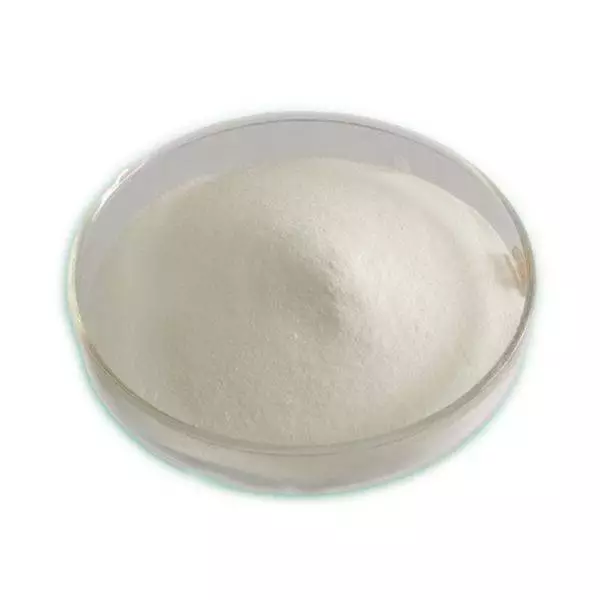
D-Calcium Pantothenate (Vitamin B5)
觉得有用吗?