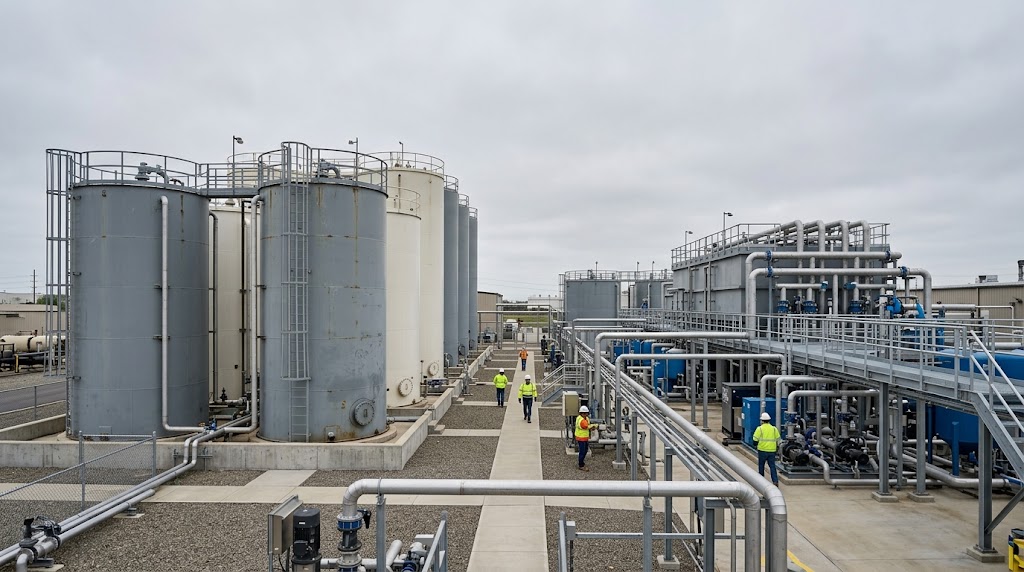
California AG Accuses DuPont of a "Corporate Shell Game" to Dodge PFAS Liability
California Attorney General Rob Bonta has escalated legal action against DuPont and its spin-off companies, alleging a deliberate scheme to evade billions in PFAS cleanup costs. The Second Amended Complaint filed this week accuses the chemical giant of executing a fraudulent corporate restructuring designed to shield assets from environmental liability.
This lawsuit marks a critical turning point in how governments pursue chemical manufacturers over per- and polyfluoroalkyl substances contamination. For procurement managers and chemical traders, the case raises urgent questions about supplier stability, long-term liability exposure, and due diligence practices when sourcing industrial chemicals.
The Allegations: A Corporate Shell Game
The California AG's complaint names DuPont alongside three spin-off entities: Corteva, Chemours, and Qnity Electronics. According to the filing, these companies engaged in a coordinated restructuring strategy that transferred valuable assets away from entities facing PFAS liability while leaving cleanup responsibilities with undercapitalized subsidiaries.
Bonta's office argues this maneuver violates California's Uniform Fraudulent Transfer Act. The complaint seeks to hold all four companies jointly responsible for contamination cleanup costs across the state. Key allegations include:
Asset stripping: Valuable business units and intellectual property were transferred to newly created entities while environmental liabilities remained with legacy companies
Insufficient capitalization: Spin-off companies were left without adequate resources to address known PFAS contamination
Continued control: Despite formal separation, DuPont allegedly maintained operational control over the spin-offs to continue profiting while avoiding liability
Understanding PFAS and the Liability Crisis
Per- and polyfluoroalkyl substances represent a class of thousands of synthetic chemicals used since the 1940s in products ranging from non-stick cookware to firefighting foam. These compounds persist in the environment and accumulate in human tissue, earning them the nickname forever chemicals.
DuPont manufactured PFAS compounds for decades at facilities including its Washington Works plant in West Virginia. The chemicals have since contaminated drinking water sources for millions of Americans. Cleanup costs continue to mount as new contamination sites emerge and regulatory limits tighten.
The financial stakes are enormous. Industry analysts estimate total PFAS remediation costs could exceed $100 billion nationwide. Individual companies face potential liabilities ranging from hundreds of millions to several billion dollars depending on their manufacturing history and contamination footprint.
Timeline of Corporate Restructuring
The lawsuit traces a deliberate sequence of corporate transactions beginning in 2015. DuPont initiated a series of spin-offs that separated its chemical businesses into distinct legal entities:
2015: DuPont spun off its performance chemicals division into Chemours, transferring PFAS-related liabilities to the new company
2017: DuPont merged with Dow Chemical, then separated again in 2019, creating Corteva for agricultural products
2021: Additional restructuring created Qnity Electronics for semiconductor materials
According to the complaint, each transaction followed a similar pattern. Profitable business units with strong revenue streams moved to new entities. Environmental liabilities, ongoing litigation, and cleanup obligations stayed with companies lacking sufficient assets to cover these costs.
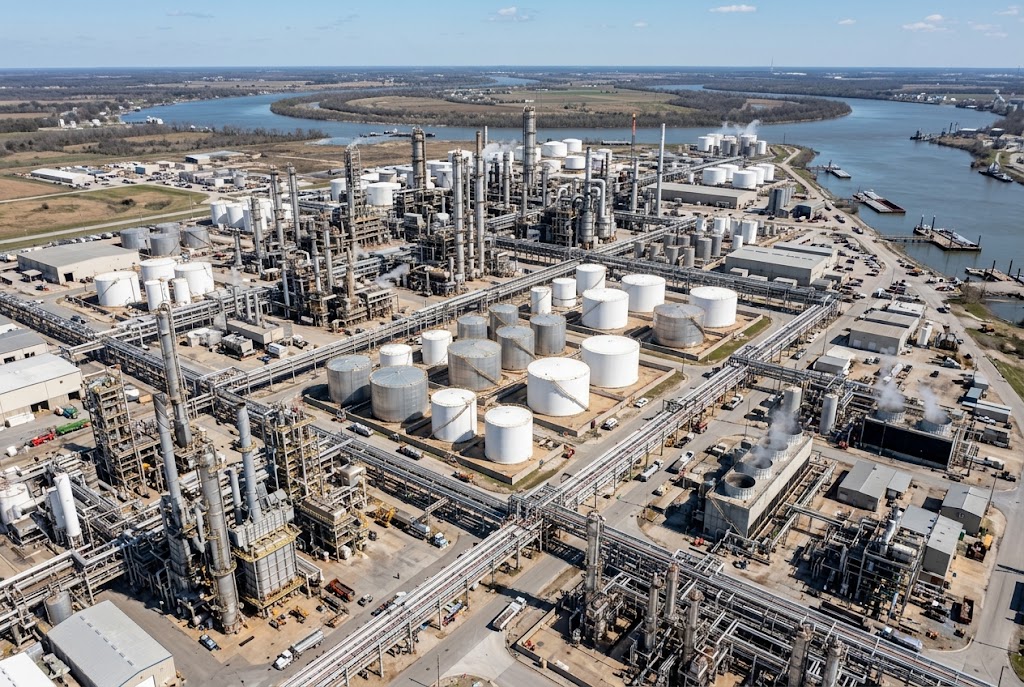
What This Means for Chemical Procurement
The California lawsuit sends a clear signal to procurement teams: supplier corporate structure matters. Companies facing massive environmental liabilities may struggle to maintain operations, honor contracts, or invest in product quality and safety improvements.
Procurement managers should now evaluate chemical suppliers through a broader risk lens:
Financial stability: Assess whether suppliers have adequate resources to handle potential environmental liabilities without disrupting operations
Corporate history: Investigate whether a supplier has undergone recent spin-offs or restructuring that might indicate liability avoidance
Environmental compliance: Review a supplier's regulatory history and ongoing remediation obligations
Product portfolio: Understand whether suppliers manufacture or have manufactured PFAS compounds or other high-liability chemicals
The due diligence burden has increased significantly. Procurement teams can no longer focus solely on price and delivery terms. Long-term supplier viability now requires understanding environmental liability exposure and corporate governance practices.
Regulatory Landscape and Enforcement Trends
California's action against DuPont reflects a broader shift in environmental enforcement. State attorneys general across the United States are pursuing aggressive litigation against chemical manufacturers over PFAS contamination.
Recent enforcement actions include:
Multi-state lawsuits: Coalitions of state AGs filing joint complaints against PFAS manufacturers
EPA regulations: New federal limits on PFAS in drinking water requiring costly treatment upgrades
Local ordinances: Municipalities filing independent claims for water system contamination
The regulatory pressure extends beyond litigation. The EPA has designated certain PFAS compounds as hazardous substances under CERCLA, opening the door to additional cleanup claims and reporting requirements.
For chemical buyers, this evolving landscape creates both risks and opportunities. Suppliers facing heavy regulatory burdens may raise prices or exit certain product lines. Conversely, companies investing in PFAS-free alternatives may gain competitive advantages in markets where buyers prioritize environmental responsibility.
Market Implications for PFAS-Related Chemicals
The legal and regulatory assault on PFAS manufacturers is reshaping chemical markets. Several trends are emerging:
Supply constraints: Some manufacturers are exiting PFAS production entirely, reducing available supply for applications where alternatives do not yet exist. This affects sectors including semiconductors, aerospace, and specialty coatings.
Price volatility: Uncertainty about future liability and regulatory requirements creates pricing instability. Suppliers may build risk premiums into contracts or demand longer-term commitments.
Innovation acceleration: The liability crisis is driving investment in PFAS-free alternatives. Companies developing substitute chemistries are attracting capital and talent at unprecedented rates.
Insurance challenges: Chemical manufacturers face difficulty obtaining environmental liability insurance, with some carriers exiting the market entirely. This affects their ability to secure financing and manage risk.
The Bottom Line for Procurement Teams
The California AG's lawsuit against DuPont demonstrates that PFAS liability will shape chemical markets for years to come. Procurement professionals must adapt their strategies accordingly.
Start by mapping your chemical supply chain. Identify which suppliers manufacture or have manufactured PFAS compounds. Assess their exposure to environmental liability and their financial capacity to manage it.
Diversify your supplier base where possible. Relying on a single source for critical chemicals becomes riskier when that supplier faces potential bankruptcy from environmental judgments.
Engage suppliers directly about their PFAS strategies. Ask about their plans for product stewardship, environmental compliance, and development of alternative chemistries. Suppliers with proactive approaches will be better positioned for long-term success.
Finally, build flexibility into your contracts. Include provisions that allow you to adjust volumes or switch suppliers if environmental liabilities disrupt operations. Require suppliers to notify you of material legal or regulatory developments that could affect their ability to perform.
Ready to source activated carbon from verified global suppliers? Explore competitive offers on our platform today.
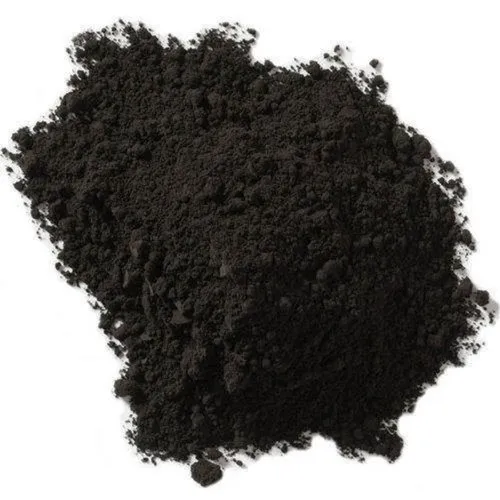
Activated Carbon (Granular) - India
觉得有用吗?