Global Chemical Industry Outlook 2027: Key Trends Shaping the Market
Atradius expects global chemical production to grow just 0.6% in 2026 if the Strait of Hormuz reopens gradually, and to shrink 1.7% if the conflict drags on. The global chemical industry outlook for 2027 looks better, but forecasters agree the rebound will stay modest.
Three forces set the pace: energy prices, regional divergence and a surplus of capacity. Trade measures add a fourth layer of risk.
This guide explains each trend and what it means for buyers and traders who plan their 2027 purchases now.
A Modest Rebound Is the Base Case
Atradius expects production growth to recover in 2027 as energy markets stabilise and demand improves. It also warns that trade fragmentation will continue.
The American Chemistry Council paints a similar picture for the United States. It forecasts total US chemical production up 1.5% in 2027 and growth in 15 of 20 major end-use industries, compared with 12 in 2026.
Not every forecaster agrees on the pace. Treat the numbers as separate scenarios, since each rests on different assumptions about energy and trade.
Energy Costs and the Middle East Set the Baseline
The Hormuz closure and the resulting energy spike drove the 2026 slowdown. Atradius cut its 2026 global forecast by 1.6 percentage points compared with pre-war expectations.
Energy will remain the main swing factor in 2027. Stable gas and oil prices support a rebound, while another supply shock can erase it.
Regions with cheap feedstock gain the most. US producers enjoy a cost advantage over European and Asian rivals, which supports their output growth.
Regional Divergence Widens
Growth will not spread evenly across regions. Forecasts point to three different paths:
United States: Atradius expects production to rebound by 2.5% in 2027 after a small contraction in 2026.
China: growth should slow to 2.7% in 2026 and edge up to 3.0% in 2027, since the country has stayed resilient through the energy squeeze.
Europe and Japan: Japan faces a 4.8% contraction in 2026 and a further 0.7% decline in 2027, and analysts at 360 ONE Capital expect the EU recovery to slip into 2027.
Buyers should expect different price and supply conditions in each region. A single global plan will miss these gaps.
China’s Capacity Keeps Growing
Oliver Wyman estimates that China holds about 50% of global chemical capacity, up from about 15% two decades ago. It also reports that China builds around 70% of new capacity additions through 2027.
New supply keeps pressure on commodity prices. Bain expects the industry to need net closure of about 7.5% of olefin capacity by 2030 before utilization recovers.
Large projects outside China add to the supply. Ineos’ Project One cracker in Antwerp will bring about 1.4 million tonnes per year of new European capacity toward 2029.
Closures and Trade Measures Reshape Supply
Capacity cuts and trade defence change who can sell where. Europe lost about 9% of its capacity between 2022 and 2025, and the EU has set duties on PVC, 1,4-butanediol and terephthalic acid.
Expect more cases. Each new measure can close a low-cost origin and leave buyers with fewer qualified suppliers.
Traders who track the Official Journal and national trade notices can see these shifts early. Buyers who wait for the announcement pay the highest price for it.
Specialty Chemicals Outperform Commodities
Specialty products grow more steadily than commodities. S&P Global Ratings expects specialty chemicals to expand modestly and steadily through 2029.
The ACC forecasts US specialty output to grow 2.7% in 2027 after a slight decline in 2026. Electronics, personal care and pharmaceutical ingredients lead the strongest pockets.
Commodity grades face tougher conditions. Overcapacity limits price gains, and weak construction and automotive demand holds volume back.
Risks to the Outlook
Several risks can change the forecast quickly:
Prolonged conflict in the Middle East: Atradius sees a 1.7% global contraction in 2026 under that scenario.
Tariffs and trade barriers: fragmentation raises costs and shifts flows.
Weak industrial demand: more than 80% of chemicals sell to industrial customers, so factory output sets the pace.
Agrochemical weakness: Atradius expects agrochemical output to fall 2.4% in 2026, one of the weakest subsectors.
Forecasts also change fast. Check each source’s date and scenario before you use its number in a budget.
What Buyers Should Do Before 2027
Plan for a slow recovery rather than a sharp rebound. Prices for commodity grades should stay under pressure from surplus capacity, while specialty grades should hold firmer.
Split your portfolio by product type. Lock in supply and quality for specialty and electronic-grade items, and keep commodity contracts short and index-linked.
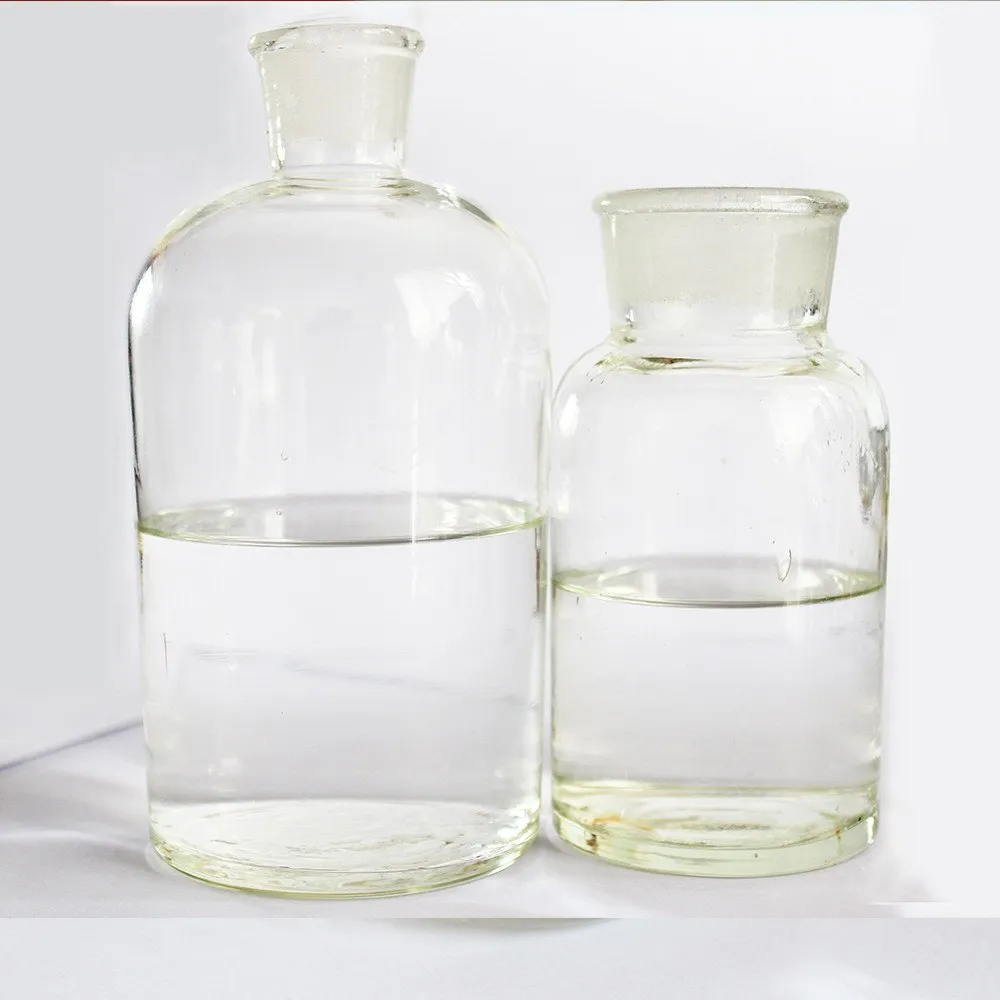
Methanol
觉得有用吗?